
Warm Spring Capsule Wardrobe: How to Style The Palette
March 10, 2026
Peace Silk 101: History, Ethicality, and More
March 20, 2026
The fashion industry buries 92 million tons of clothing annually — most of it barely worn, much of it barely made. Yet, you probably know someone still buying it: the person whose wardrobe is enormous and somehow has nothing to wear, forever chasing a look that expires on arrival. Then there is the other person: effortlessly chic, still getting asked where she bought that vintage wool coat she’s owned for nine years. In this guide, we’ll outline your roadmap to creating a sustainable capsule wardrobe that turns you into that person.
What Qualifies as a Sustainable Capsule Wardrobe?
A sustainable capsule wardrobe is a small, intentional collection of high-quality pieces built to last. It favors natural fibers like wool, cotton, and linen over synthetics, avoids fast fashion entirely, and prioritizes versatility over volume. The goal isn’t rigid minimalism: it’s a wardrobe that reflects your lifestyle while reducing waste, choosing quality over convenience every time it matters.
1. Pick the Right Capsule Size
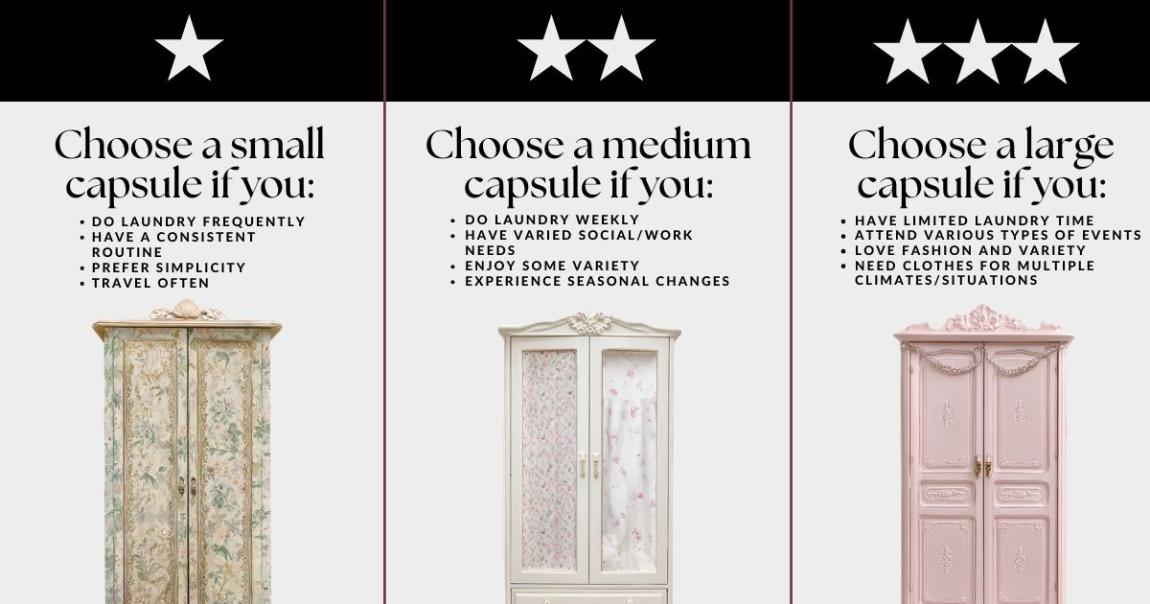
To build a sustainable wardrobe, start with the hardest part: open your closet and be honest. Most people live with somewhere between chaos and a costume shop — pieces bought impulsively, worn twice, and kept out of guilt. Bring that down to a number that actually works for your life.
A small capsule of around 17 pieces suits the true minimalist who wants one perfect version of everything. A medium capsule of 37 hits the sweet spot for most people, covering seasons and occasions without excess. A large capsule of 66 still demands intention – it just gives you room for more distinct scenarios and personal style.
Use the breakdown below to find your number:
| Category | Essential (Small) | Balanced (Medium) | Versatile (Large) | Notes |
|---|---|---|---|---|
| Tops | 3 | 6 | 10 | Short/long sleeve mix |
| Bottoms | 2 | 4 | 7 | Casual + polished |
| Dresses & Jumpsuits | 1 | 3 | 5 | Day-to-night piece |
| Outerwear | 1 | 2 | 4 | Coat + jacket |
| Knitwear & Layers | 1 | 3 | 5 | Neutral crewneck/cardigan |
| Jeans & Denim | 1 | 2 | 5 | Dark → light washes |
| Shoes | 2 | 4 | 7 | Casual + dressy |
| Bags | 1 | 2 | 4 | Tote + crossbody |
| Accessories | 2 | 4 | 8 | Scarves + belts |
| Activewear | 1 | 2 | 3 | One matching set |
| Loungewear & Basics | 2 | 4 | 6 | Underwear + lounge |
| Formalwear | 0 | 1 | 2 | Skip unless needed |
| Total Pieces | 17 | 37 | 66 |
The all-year-round capsule wardrobe formula is almost too easy: build your foundation in neutrals, and layer in two or three accent colors that actually complement each other. Done right, this unlocks upward of 30 distinct outfits from a wardrobe that fits in half a closet.

2. Find Out Your Color Season
Many people who curate a sustainable wardrobe start with their color season. Color analysis — the art of identifying your ideal color palette — pinpoints the colors that serve your skin tone, hair, and eyes. These colors sharpen your complexion, brighten your eyes, and pull a look together.
Your color season also solves one of the biggest challenges in capsule dressing: coordination. When every piece in your wardrobe shares the same color language, combinations come together with little effort. You stop forcing outfits that almost work. Rather, you start building ones that feel instinctive, and that you actually reach for.
3. Ditch Synthetic Fabrics for Natural Ones
Fabrics determine how long your sustainable wardrobe lasts, and the first thing you should do in this department is to cut synthetics. Polyester, nylon, acrylic, and fleece shed microplastic fibers during washing, polluting waterways and taking centuries to break down. Notably, these synthetic materials are often petroleum-based, so they leach toxins into the environment, as well as your closet.
Natural Fabrics to Invest In
Natural fibers are a different story. For a timeless wardrobe, the primary natural fabric to invest in is wool, as it provides different textures for different seasons. Merino, cashmere, and alpaca wools are biodegradable, ethically sourced, and built to last — the kind of materials that age with you. They feel luxurious against the skin precisely because they are: fine, natural fibers that no synthetic has ever truly replicated. Wool requires no artificial or chemical processing before it becomes a garment, especially when certified organic.
Moving on to the broader picture, wool is not the only natural fabric worth knowing. Each of the primary natural fibers brings its own strengths — in water use, longevity, and environmental footprint. The table below breaks down what makes each one worth considering for a sustainable capsule wardrobe:
| Fabric | Water Use (per kg) | Biodegradation Time | Highlights |
|---|---|---|---|
| Organic Cotton | 2,500 liters | 1-5 months | 91% less pesticides than conventional thegoodtrade |
| Organic Wool | Minimal (rain-fed) | 1-2 years | Naturally fire-resistant; renews yearly |
| Hemp | 500 liters | 2-4 months | 2x stronger than cotton; grows in 3-4 months |
| Linen (Flax) | 300 liters | 2 weeks | Most UV-resistant natural fiber |
| Organic Silk | Low (mulberry) | 3-6 months | Hypoallergenic; 2x finer than hair |
| Bamboo (organic) | 3,000 liters | 4-6 months | Grows 3 ft/day without pesticides |
4. Boost Your Clothes’ Lifespan
Most clothing dies early not from poor quality but from neglect. A few consistent habits add years to even the most delicate fabrics: wash in cold water, air dry instead of tumble drying, store knitwear folded rather than hung, keep silk and delicates away from direct sunlight, and address stains immediately before they set. Steam rather than iron where possible — it’s gentler on fibers and faster.
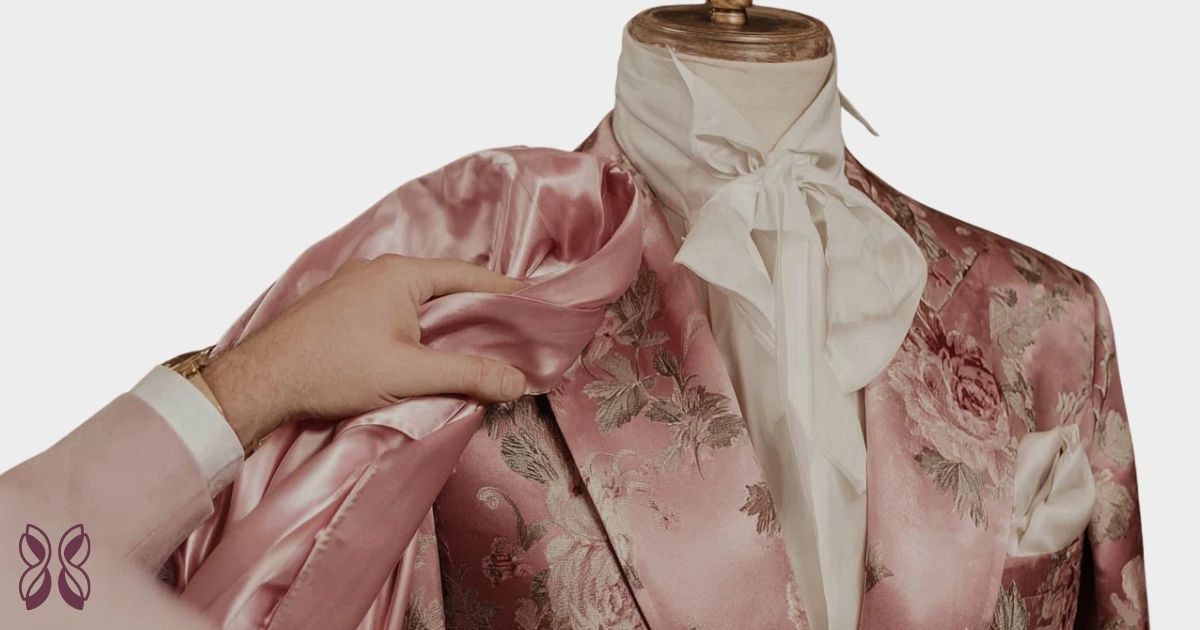
Repair matters too. Even the most delicate fabrics reward the right care. Take damaged silk, for example: a saltwater soak can revive its faded color, a mild detergent can lift most stains, and a well-placed fabric patch or decorative appliqué can rescue a tear.
Silk’s protein fibers closely resemble human hair — which is exactly why gentle handling goes such a long way. Most wear looks far more irreversible than it actually is, and knowing how to restore damaged silk is one of the most underrated skills in building a wardrobe that lasts.

5. Ditch Fast Fashion
Most people curating a sustainable capsule wardrobe already know to avoid fast fashion. What’s less obvious is that intentionality doesn’t neutralize the problem. Buying three Shein pieces instead of thirty is still buying Shein, and the issue runs deeper than volume or frequency.
Garments from ultra-fast-fashion brands can contain lead, formaldehyde, phthalates, and PFAS — chemicals bonded into the fabric during production, not sitting loosely on the surface. Some items carry up to 20 times the legal limit of these substances.
Washing toxins out of Shein clothes only reduces surface residues at best — formaldehyde bonds to textile fibers during finishing, and no amount of laundering fully removes it. These chemicals don’t disappear between purchase and wear. They sit against your skin. So when building your capsule wardrobe, skip fast fashion entirely, not just in quantity, but as a source.
Bonus Step: Shop Secondhand
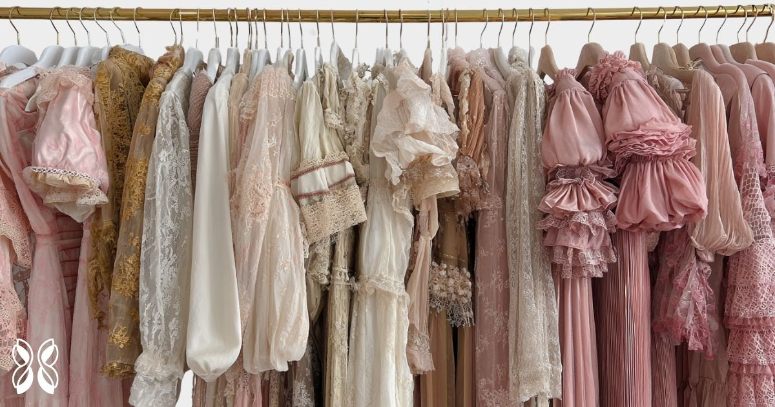
Some of the most distinctive capsule wardrobes never touch a retail store. Vintage and secondhand shopping surfaces pieces with actual history: a 1970s camel coat, a silk blouse no algorithm will ever resurface, a wool blazer built to a standard most contemporary manufacturing abandoned decades ago.
Studies show secondhand shopping displaces purchases of brand-new clothing, cutting demand for overproduction. Resale platforms make this accessible at scale. For example, Depop operates as a peer-to-peer clothing marketplace where buyers and sellers exchange secondhand, vintage, and upcycled pieces — giving existing garments another life rather than sending them to landfill.
Yet, with these platforms the caveat is intention. Trend-chasing on Depop, Vestiaire Collective, or The RealReal, or impulse buying because the price is right, undermine the whole point. Secondhand only counts when the piece earns its place.
Final Thoughts
A sustainable capsule wardrobe doesn’t come together in a single shopping trip. It takes time: identifying your color season, auditing what you own, learning which fabrics last, unlearning the impulse to buy fast and often.
Ultimately, the goal with a sustainable wardrobe isn’t rigid minimalism. It’s a wardrobe that reflects your lifestyle, tastes, and personal expression. A capsule wardrobe checklist may help you track the clothes you already have, identify what’s missing, and make sure every piece genuinely earns its place. However, the rest is patience, and a willingness to choose quality over convenience, every time it matters.
Frequently Asked Questions
Look for loungewear made from organic cotton, bamboo, or merino wool — materials that breathe, wash well, and don’t shed microplastics. A minimalist approach means two to three pieces maximum: one set for active wear around the house, one for sleep. Avoid synthetic blends marketed as “cozy” — they pill fast, trap odor, and outlast their usefulness by centuries in a landfill.
Seasonless elevated basics live in the intersection of fabric quality and restrained design: think a heavyweight silk tee, a fine-knit merino crewneck, or a perfectly cut wool trouser that works across seasons. Brands like Entireworld, Naadam, and Quince source natural fibers without the luxury markup. Secondhand platforms like Vestiaire Collective surface archive pieces from investment labels at a fraction of retail, often in better condition than new.
Most natural fibers shrink because heat breaks down their structure. The fix is fabric treatment, not synthetic replacement. Seek out superwash merino wool, which undergoes a non-toxic bonding process that makes it fully machine washable without shrinkage. Organic cotton with a tight weave also holds its shape better than loosely spun alternatives. Always wash cold and air dry regardless — it extends the life of any fabric, treated or not.
Most people take three to six months to do it properly. Rushing it produces the same impulse-buying problem you were trying to solve, just with more expensive mistakes. Audit what you own first, identify the genuine gaps, then fill them one deliberate purchase at a time.
Yes, and this is where the large capsule earns its place. Build a stable core of seasonless pieces in neutral weights, then rotate a small number of season-specific items in and out. Store off-season pieces properly, folded in breathable cotton bags, away from light and moisture, and they’ll last indefinitely.