In a world where synthetic fabrics dominate all clothing production, it’s a challenge to find a fabric that won’t pose risks to your health. Whether you suffer from skin conditions or are looking to adopt a non-toxic lifestyle, we’ll help you delve deep into the question, “what is the safest fabric to wear?”, exploring a few natural fabric options that will safeguard your health.
What is The Safest Fabric to Wear?
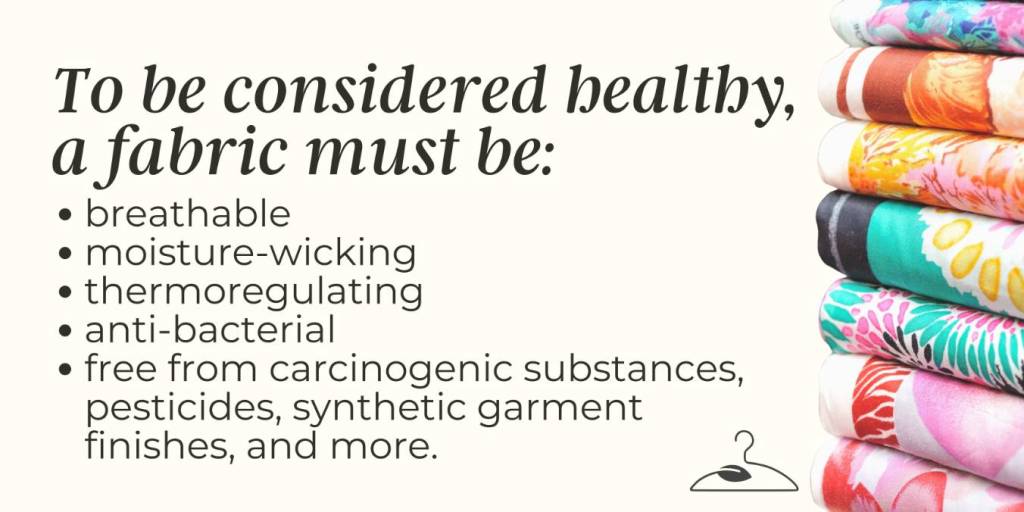
There is no single safest fabric to wear. However, there are a few options on the market for certified organic natural fabrics, grown and produced without toxic pesticides, dyes, or finishes. When certified organic by reputable bodies like GOTS and Oeko-Tex, these fabrics represent the safest textiles to wear.
In order for a fabric to be non-toxic, it must be made without pesticides or fertilizers (that is, it must be certified organic) while also containing no synthetic dyes or harmful garment finishes, such as those designed for anti-wrinkling, fire-resistant, or anti-static properties.
In this guide, we will highlight the following 5 non-toxic fibers – encompassing both plant- and protein-based options – which are one of the healthy fabrics to wear on the market:
- Organic cotton
- Organic wool
- Organic linen
- Organic hemp
- Organic silk

Option #1: Organic Cotton
Think about the cotton shirt you have in your closet – it looks crisp, breathable, and natural. Innocent enough, right?
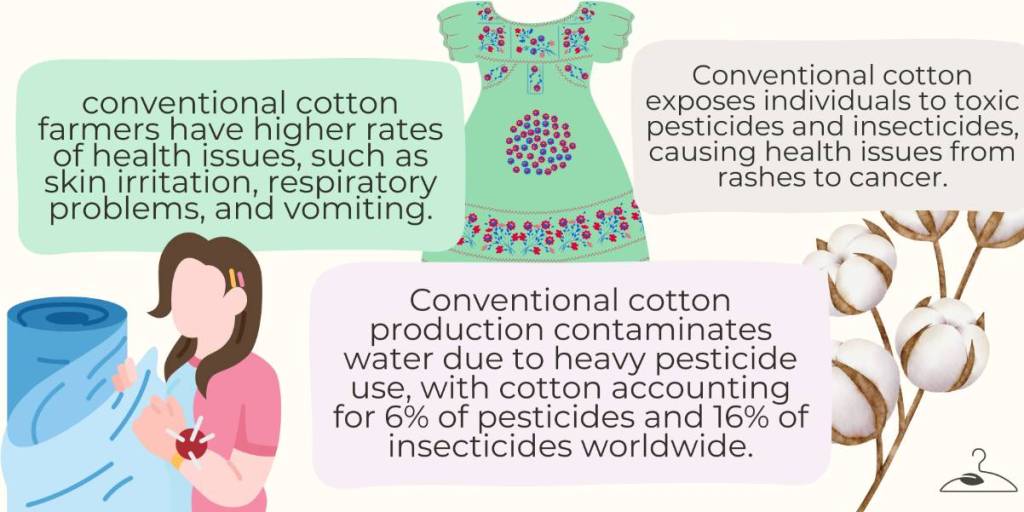
Unfortunately, garments made of conventional cotton aren’t always healthy, as they’re sprayed with toxins throughout production. In fact, conventional cotton represents one of the world’s most chemical-laden crops.
Each year, cotton fields get bombarded with a cocktail of pesticides and fertilizers. The World Health Organization estimates 20,000 people die annually from accidental pesticide poisoning in cotton farming, with one million more suffering from long-term impacts.
Such effects don’t stop at those who work in cotton fields or manufacture our cotton clothing. They also reach us, the consumers. With chemical processing agents and harsh additives, conventional cotton harms us as we wear it, exposing us to phthalates, endocrine disruptors, pesticides, and a myriad of toxic compounds.
For this reason, it’s crucial to opt for its organic alternative, which doesn’t contain synthetic chemicals, fertilizers, or pesticides.
Why is Organic Cotton Safe to Wear
Organic cotton champions safety with its eco-friendly growing practices. It helps tackle climate change while saving water resources and eliminating synthetic pesticides. However, when it comes to consumer health, it goes even further, rejecting toxic garment finishes and chemicals embedded in synthetic fabrics.
Via natural farming methods that ward off pests and weeds, organic cotton boosts biodiversity and soil health, which further contributes to its non-toxic nature. Yet, what’s worth noting is that all of this is not only environmentally- but also consumer-friendly.
What to Look for in Organic Cotton
When shopping for the best quality organic cotton, it’s crucial to observe textile certifications, which ensure the organic status of the fabric. The two of the legitimate organic cotton labels to pay attention to are GOTS and Oeko-Tex 100.
The Global Organic Textile Standard (GOTS) strictly governs organic cotton’s journey from seed to shirt, upholding environmental and toxicological criteria. This comprehensive oversight verifies organic cotton’s non-toxic nature, tracing its path at each production stage, from fertile soils to finished garments.
Similarly, Oeko-Tex, a trusted textile certification body, ensures that organic cotton textiles and other skin-contact products like bedding and baby toys remain free of concerning chemicals. By setting stringent safety standards for processing, Oeko-Tex protects consumers, especially vulnerable populations like children.
Together, these trusted certifications verify organic cotton’s origin, responsible manufacturing, and safety, giving consumers confidence in healthy fabrics to wear – in this case, toxin-free cotton goods.

Option #2: Organic Wool
Let’s delve into the magic of wool – nature’s original performance fiber! Sheep happily graze on pastures, as their fleece grows strong and transforms into virgin wool. With additional processing, what emerges is a luxurious fabric that features small fiber diameters, making it breathable and soft to wear.
Organic wool takes this miraculous material and elevates it to new heights through sustainable, eco-friendly production methods. With non-toxic processing methods, organic wool is untouched by the heavy metals and formaldehyde that plague so much of today’s clothing.
💡ECO tip: When shopping for organic wool, prioritize the Responsible Wool Standard (RWS) certification, which ensures that the wool comes from ethically managed sheep farms and is cruelty-free.

Option #3: Organic Linen
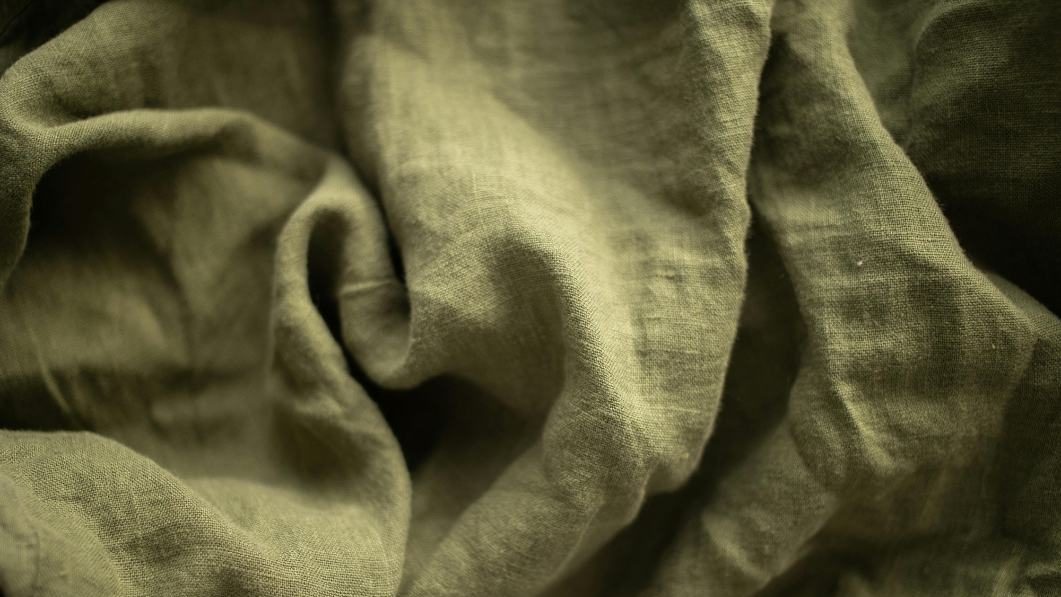
Did you know? Linen can absorb moisture that’s up to 20% of its weight, which makes it ideal to wear in hot and humid weather. The fabric’s innate purity makes it especially suitable for sensitive skin, as it takes up sweat and bodily fluids while conducting heat away from the body.
Moreover, linen boasts hypoallergenic and stain-resistant traits. It safeguards the body from static electricity and radon, which reaffirms its status as one of the safest fabrics to wear.
Similar to organic cotton, organic linen relies on eco-friendly farming principles, avoiding synthetic pesticides and fertilizers. This renders the fabric as a sustainable and non-toxic choice.
Antibacterial Properties of Linen
Organic linen harbors inherent antibacterial and antifungal superpowers. Research published in the Journal of Textile Science and Technology has shown linen’s ability to guard against Staphylococcus aureus and Escherichia coli — two prevalent bacteria capable of instigating human infections.
Additional findings published in the Journal of Applied Microbiology have revealed that coating linen fibers with silver nanoparticles endowed the fabric with vigorous antibacterial action — powerful enough to conquer methicillin-resistant Staphylococcus aureus (MRSA).
Overall, the fabric features potent antibacterial properties, able to repel bacteria and fungi in an exceptional manner.
Linen: One of The Safest Fabrics for Underwear
Do you struggle with yeast infections, unpleasant odors, ingrown hair, and bacteria in the genital area? If so, 100% linen underwear is the solution for you, as it’s sturdy, soft, and long-wearing. Linen underwear serves as a breathable barrier between your vaginal area and clothing, preventing buildup of sweat and harmful bacteria while being anti-static.
Thin and vascular by nature, the intimate area is one of the most permeable parts of our body — meaning it is especially vulnerable to external substances. For this reason, it’s important to consider the many aspects of underwear, whether it’s chafing, moisture control, or durability.
Below, we’ll delve into the numerous benefits of linen underwear:

Say Goodbye to Chafing
Assuming the right fit, linen lingerie won’t irritate your lady parts, preventing ingrown hairs, eliminating odors, and enhancing vaginal health. Besides, since it’s highly absorbent and anti-static, it won’t rub against the rest of your clothes, and therefore, will prevent chafing.
Moisture-Wicking, Odor Fighting
In addition to its softness, linen acts as the ultimate moisture wicking warrior. Unlike synthetic fabrics that breed bacteria by absorbing sweat, linen expertly wicks moisture away. The fabric actively absorbs perspiration from skin before it triggers odor and infection.
Additionally, linen underwear combats microbes, fighting the bacteria and fungi wishing to colonize damp undergarments. With linen guarding your intimate wear, odors and mildew stand no chance.
Easy Cleaning, Long Lasting
Although prone to shrinking and softening, linen becomes smoother after each wash. The fabric easily washes clean in cool or lukewarm water, ready to wear again and again.
💡ECO tip: expect linen to shrink by at least 4% of its natural size after the initial wash, unless it’s pre-washed.
Option #4: Organic Hemp
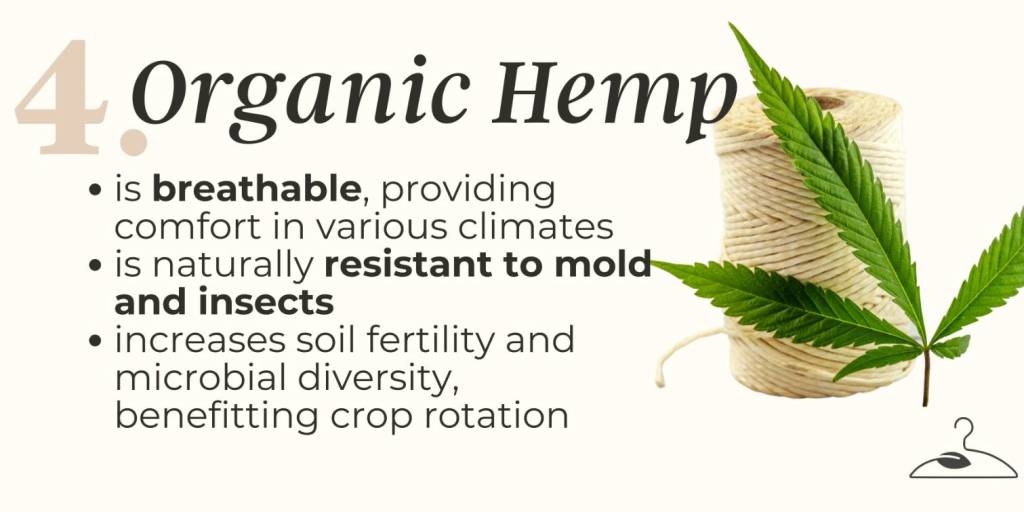
Discover nature’s wonder material — organic hemp! As a plant-based fiber, the fabric is inherently non-toxic and biodegradable. When organic, hemp involves natural extraction methods, such as deep eutectic solvents, which draw out its beneficial bioactive compounds without any toxins.
Even in applications like automotive brakes, hemp fibers enhance performance and improves friction stability without raising toxicity concerns. This makes it one of the safest fabrics not only for everyday wear but also composite applications.
💡ECO tip: beware of hemp rayon – while it’s cheaper and faster to produce, its production involves toxic substances like sodium hydroxide and sulfuric acid.
Option #5: Organic Silk
The future of medicine shimmers in organic silk. As a natural protein, silk fibroin enables innovative drug delivery, wound healing, gene therapy, and regenerative treatments, then seamlessly biodegrades.
The fabric is incredibly biocompatible with the human body, thanks to its protein-based fibers obtained from the cocoons of silkworms. Its excellent biodegradable properties, as well as no immunotoxicity, make it a durable biomaterial used in bone tissue regeneration and treatment of chronic wounds.
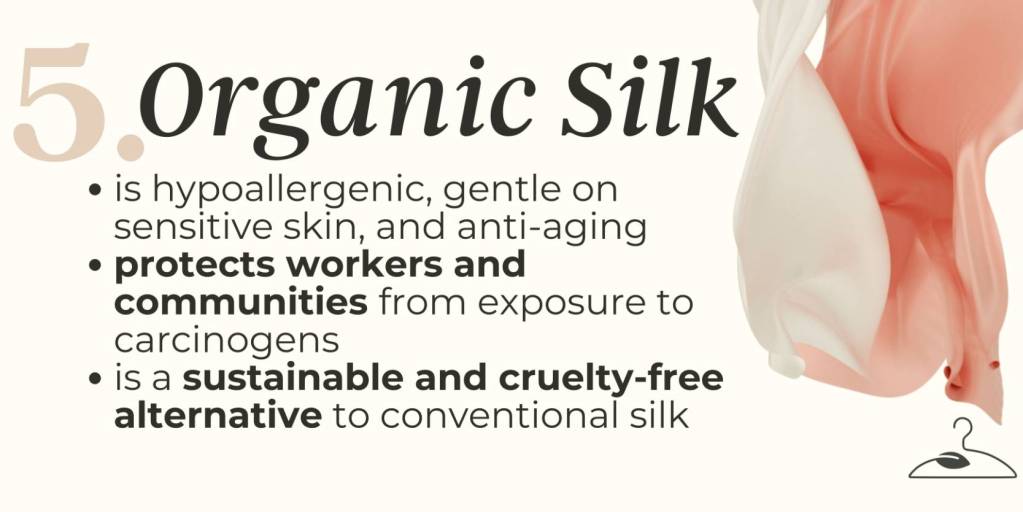
So, as the medical domain praises the fabric for its safety, you can be sure that silk poses no threats to your health. This hypoallergenic material will never trigger skin irritation, as its production (when organic) involves no synthetic garment finishes, toxic solvents, or pesticides.
Overall, with its superb durability, breathability, and anti-wrinkling properties, the benefits of silk goes beyond its lustrous shine. The material is hydrophobic, meaning it naturally wicks moisture away from the body, leaving you sweat- and odor-free. What’s more, silk doesn’t succumb to wrinkling, crushing, or rumpling easily, retaining its pristine appearance with minimal upkeep.
Don’t Stop At Natural Fabrics: ‘Organic’ Matters!
Natural fabrics aren’t always organic — they may contain toxic finishes, allergens, and harmful dyes just like their synthetic counterparts. For this reason, we recommend that you prioritize certified organic, natural fabrics.
Organic fabric cultivation methods exclude the use of synthetic pesticides, fertilizers, and GMOs that can deteriorate soil and water quality. Their by-products pose absolutely no threat to marine life ecosystems or our planet as a whole.
With that said, the benefits of organic fabrics goes beyond the environment, extending to your health. When organic, natural fabrics are toxin-free. They are free of harmful dyes, harsh chemicals, and pesticide residues, protecting you from a myriad of health concerns.
So, as you explore the question, “what is the safest fabric to wear?”, pay attention to textile certificates, such as GOTS and Oeko-tex 100. The former ensures that the presence of organic materials, while the latter indicates absence of toxic garment finishes and hazardous dyes.

Why Choose Slow Fashion Brands for Better Fabrics
The production of most clothes involves copious amounts of hazardous chemicals – from the dyes and detergents used in manufacturing to the synthetic fabrics themselves.
These toxins don’t just disappear once the clothes are made. They linger as residue on the clothes we wear, accumulating in our bodies over time and causing adverse health effects. They also pollute waterways and impact garment factory workers exposed daily.
Luckily, most slow fashion brands reject synthetic fabrics in favor of healthier ones, such as OEKO-TEX certified cotton, hemp, linen and wool. They prioritize breathable, natural textiles and processes with fewer chemicals. Thanks to this, they minimize our exposure to toxins, which benefits both consumers (who can avoid daily chemical exposure through clothes) and overseas garment workers (who breathe in fewer harmful fumes). Ultimately, organic, healthy fabrics mean healthier people and a more ethical fashion industry.
Frequently Asked Questions
How can I identify safe fabrics?
Look for certifications such as GOTS and Oeko-Tex, which ensure that fabrics are free from harmful chemicals and meet strict environmental and safety standards. These certifications provide assurance that the fabric is safe to wear.
How do organic fabrics differ from conventional fabrics?
Organic fabrics are grown and produced without synthetic pesticides, fertilizers, or harmful chemicals. They are also often produced using sustainable and eco-friendly practices, making them a safer and more environmentally friendly choice.
Are synthetic fabrics really that harmful to health?
Synthetic fabrics can be harmful due to the chemicals used in their production, such as dyes and finishes. These chemicals can cause skin irritation, allergies, and other health issues, especially for individuals with sensitivities.