

Soft Summer Celebrities: Red Carpet Looks, Makeup, and More
January 23, 2025
Is Weekday Fast Fashion in 2026? Unpacking The Truth
January 31, 2025
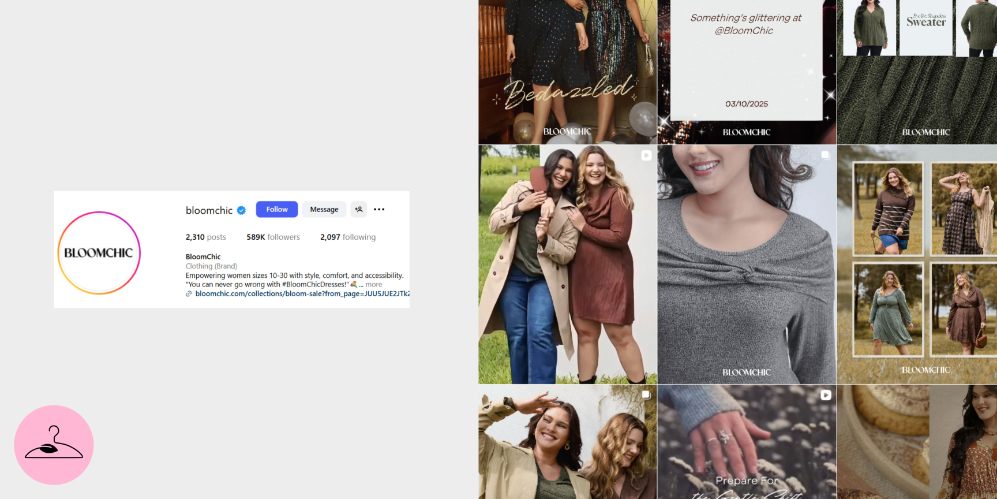
Serving women sizes 10-30, BloomChic took the plus-size market by storm in 2021. Based in Los Angeles, California, the brand delivers affordable, size-inclusive apparel, inspiring consumers to “live with ease, dress with joy.” However, despite empowering real bodies and promoting inclusivity, is BloomChic fast fashion? Let’s find out.
Is BloomChic Fast Fashion?
While BloomChic celebrates size inclusivity, it qualifies as fast fashion. The brand heavily relies on non-biodegradable, synthetic fabrics. Besides, its low prices imply potential labor exploitation practices, as the brand sells dirt-cheap clothing while still making a profit.
| Aspect | Sustainability Level | Impact |
|---|---|---|
| Materials | Low | Synthetic fabrics are non-biodegradable and cause pollution |
| Recycling & Waste | Low | No real recycling; most items end up in landfills despite donation claims |
| Labor & Supply Chain | Low | Opaque sourcing and low prices suggest poor working conditions and low wages |
| Production Model | Low | Fast-fashion trend cycles and overproduction increase textile waste |
BloomChic’s Returns Program: Circular or Not?
As mentioned on its official website, BloomChic either donates 100% of its U.S.-based customer returns to women’s shelters or resells them at plus-size-friendly thrift stores. But does this mean real circularity?
In reality, donation-based returns programs are common in fast fashion, and they rarely reflect true sustainability. Most retailers resell items that look new and send anything damaged off to landfills. BloomChic positions its donation model as a greener alternative, claiming to direct its unsold inventory towards seemingly-sustainable donation programs.
At My Eco Closet, we’ve analyzed numerous fast fashion brands and found that donation-heavy programs mostly serve as greenwashing. They shift responsibility downstream rather than addressing the root of the problem – overproduction.
Donation Won’t Make Up for Overproduction
According to the EPA, 84% of donated clothing still ends up in landfills or incinerators. Contaminated batches, mildew, or poor-quality garments (which make up 20–50% of donations) are routinely discarded.
Donation feels guilt-free, but it is not a sustainable solution. The world already has enough clothing to dress the next six generations, and synthetic fast fashion only adds to the problem. And BloomChic’s constant output, with no plan for end-of-life management, creates irreversible textile waste, which is far beyond what donations can meaningfully address.
Absence of Recycling Initiatives at BloomChic
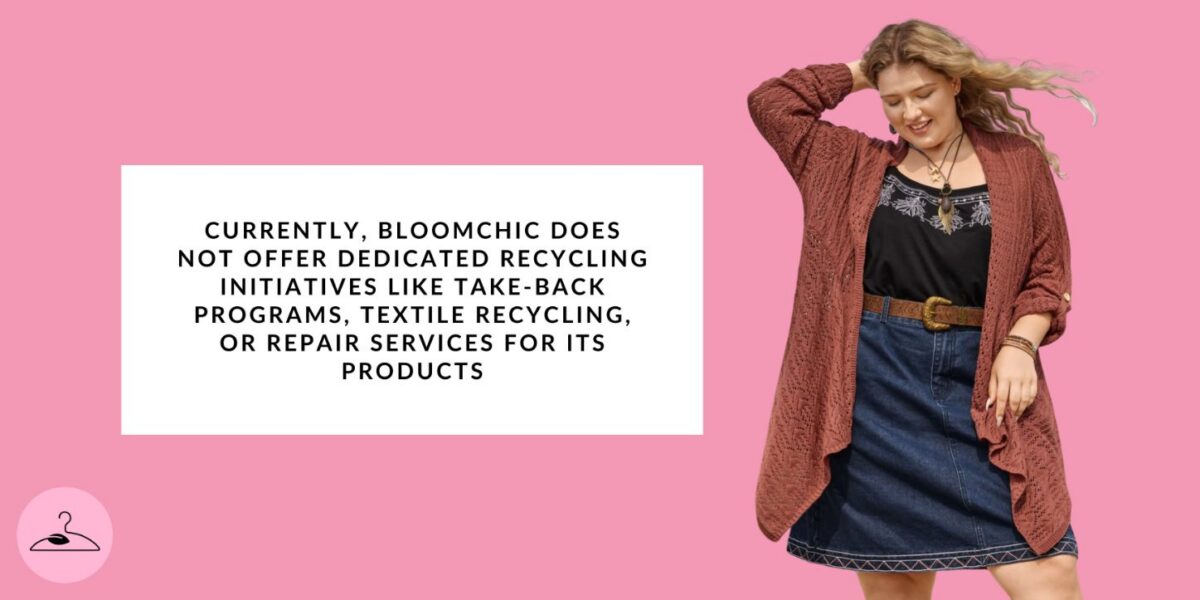
BloomChic states that its “recycling” efforts include donating unsold clothing to shelters and discounting items that don’t sell. However, these practices do not qualify as true recycling and can be misleading to consumers seeking genuinely sustainable options.
In reality, BloomChic does not offer any formal recycling program for post-consumer garments. Even more concerning, many of its products are made from multi-material fabric blends, which are extremely difficult, often impossible, to recycle with current textile recycling technology.
BloomChic Relies Heavily on Synthetic Fabrics
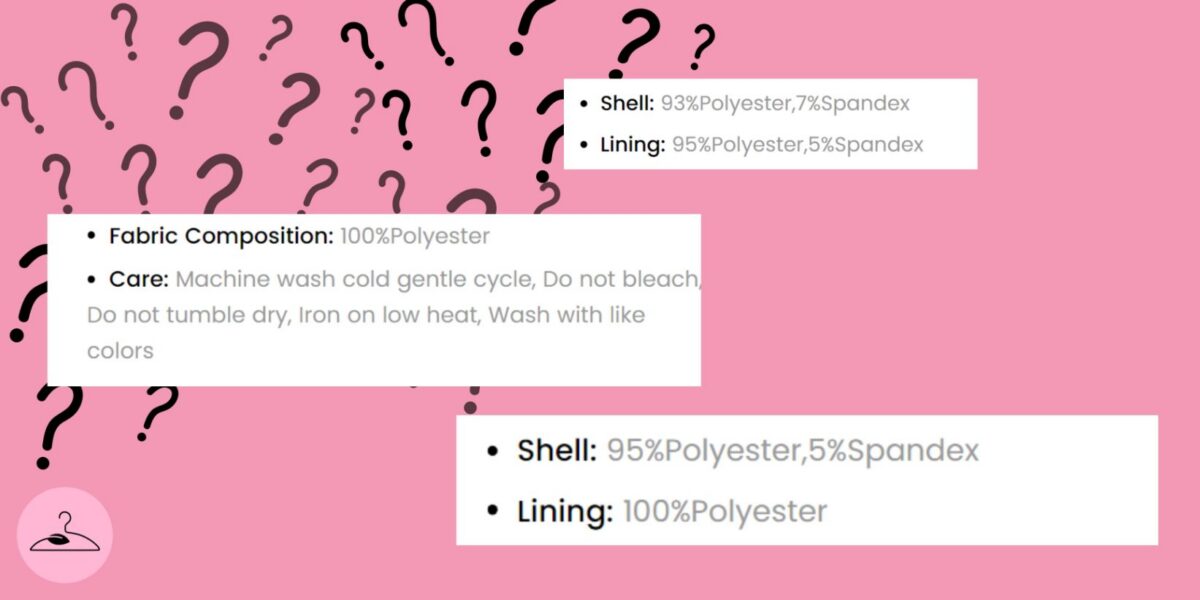
When asking the question, “is BloomChic fast fashion?”, the easiest way to clear up your doubts it looking at its fabrics. If you scrutinize the “materials & care” section of each product on BloomChic, you will notice the dominance of synthetic materials, such as spandex, polyester, and rayon. Made of petrochemicals, these materials are non-biodegradable, contaminating the environment with microplastics and toxins.
With no commitment to natural fabrics, BloomChic’s clothing production incorporates chemical-intensive processes, affecting the well-being of the garment workers who manufacture its products. The brand offers no transparency around how its suppliers manage these risks, raising concerns about worker safety and exposure to toxins like carbon disulfide, formaldehyde, and more.
Inclusive But Not-So-Sustainable?
The concept behind BloomChic is truly revolutionary in terms of female empowerment. In an industry, which pushes a certain body shape, the brand breaks all the stereotypes around the female body, making women feel empowered with mid- and plus-sized apparel.
BloomChic proudly showcases its garments on real women — be it influencers, professional models, or ordinary people — while refusing to edit their bodies in pictures. its models come from different backgrounds, promoting the diversity of skin tone, race, ethnicity, disability, and sexuality.
Does all this sound too good to be true? Well, when it comes to sustainability, the brand is making some progress, however, its overall impact is still deleterious.
Accessibility: Is It Really Possible?
BloomChic prides itself on offering low prices, insisting that customers “shouldn’t have to pay a fortune” to dress well. But ultra-affordable fashion operates within a larger, well-documented problem: fast fashion as the tragedy of the commons. When brands sell clothes so cheaply that they feel almost free, the true costs get pushed onto someone else. In fashion, they fall on the environment and, most directly, on the garment workers who produce these items under immense pressure.
Fast fashion isn’t free. Someone somewhere is paying.
Lucy Siegle
In the final markdown section of the website, BloomChic sells clothing for as low as $5.80 and $7.80. This means that in order to gain profit, the brand must keep their costs ultra-low. Unfortunately, such operations involve lowering the wages of garment workers overseas.
The brand employs factories in Guangzhou, southern China, where workers tackle unethical working conditions. In March 2023, migrant workers across Guangdong staged protests and work stoppages, rejecting extremely low rates and demanding fair treatment. Their actions highlighted widespread issues in the region: limited labor protections, unstable employment, and wages so low that many workers struggle to move beyond paycheck-to-paycheck living.
Cheap clothes are always unethical
This may sound bold, but fashion isn’t meant to be cheap. Low-cost clothing is always made in factories that operate with razor-thin margins, which risk the health and safety of their workers. In other words, a cheap price tag always hides unethical practices.

Is BloomChic Good Quality? Mixed Reviews
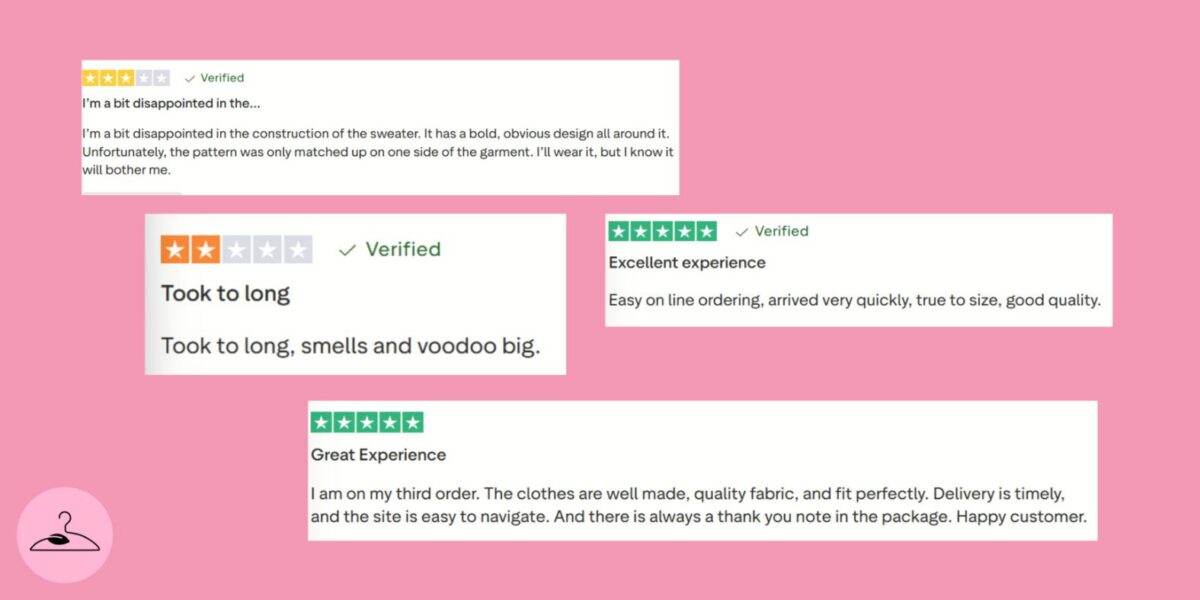
BloomChic’s product quality appears to be inconsistent. Some items receive positive feedback, while others show signs of quick wear, reflecting a broader fast-fashion pattern where garments aren’t designed for long-term use. This cycle encourages repeated purchases, ultimately undermining sustainability and customer trust.
On Trustpilot, BloomChic holds over 7,000 reviews with a 4.0-star average, yet a notable portion of feedback points to issues with finishing and longevity. One reviewer notes that “2 out of 3 dresses lost stitching after one wear,” while others mention items arriving with strong chemical odors or feeling less breathable than expected. Together, these experiences highlight the brand’s uneven quality standards and reinforce concerns about how long BloomChic garments are meant to last.
BloomChic’s Sustainability Initiatives
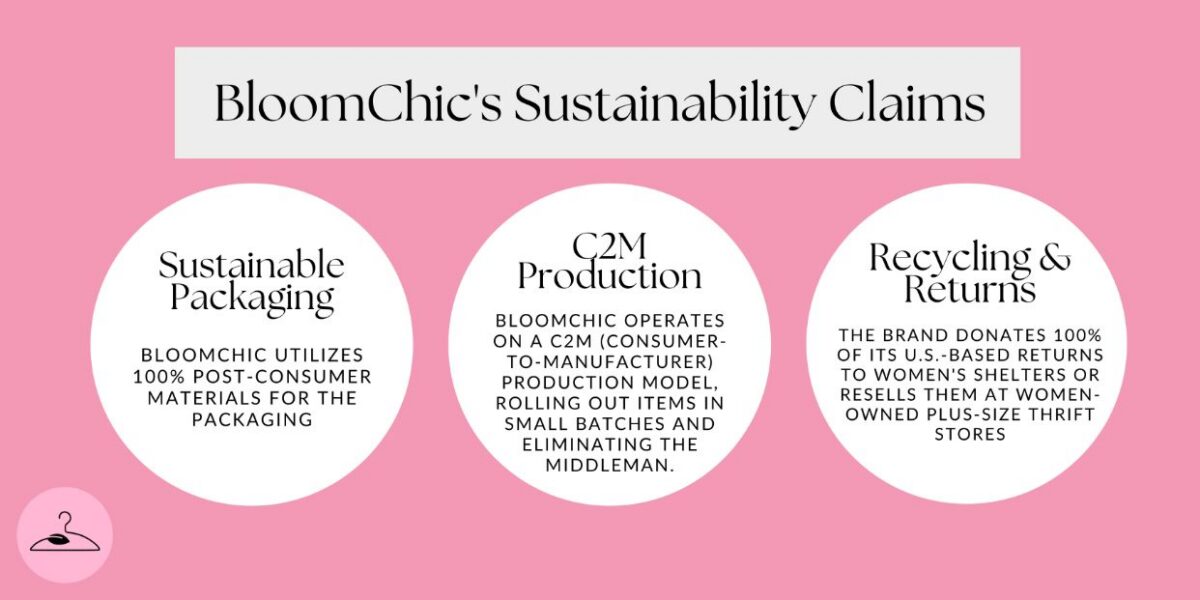
BloomChic has taken a few steps toward sustainability. In 2022, the brand switched to eco-friendly packaging made from 100% recycled materials, and it now uses a production model designed to better predict demand and reduce overstock. This approach allows BloomChic to place smaller batch orders, which it claims helps minimize textile waste compared to ultra–fast fashion competitors.
However, these measures remain limited in scope. Significant gaps persist, particularly around recycling programs and labor transparency, making BloomChic’s overall sustainability efforts far from comprehensive.

History of BloomChic
With stylish and inclusive apparel, BloomChic was founded in 2021 in Los Angeles, California. At its infancy, the brand featured sizes 12 through 22. However, a private equity firm, L Catterton, kickstarted a new chapter in BloomChic’s growth in 2022, due to which it started offering sizes up to 30.
With the newly-acquired funding from L Catterton, BloomChic not only diversified its size range but also aimed at scaling its operations. The vision behind the funding was clear – the CEO, Bill Hu, boasted of L Catterton’s competence in “[building] iconic brands, [broadening] product suites, [and entering] new geographic markets.”
Yet, questions arise when scrutinizing L Catterton’s portfolio. Apart from BloomChic, the firm scaled Savage X Fenty and ThirdLove, which are considered fast fashion brands. So, could the initiative put BloomChic on the same path?
The Inclusivity Appeal
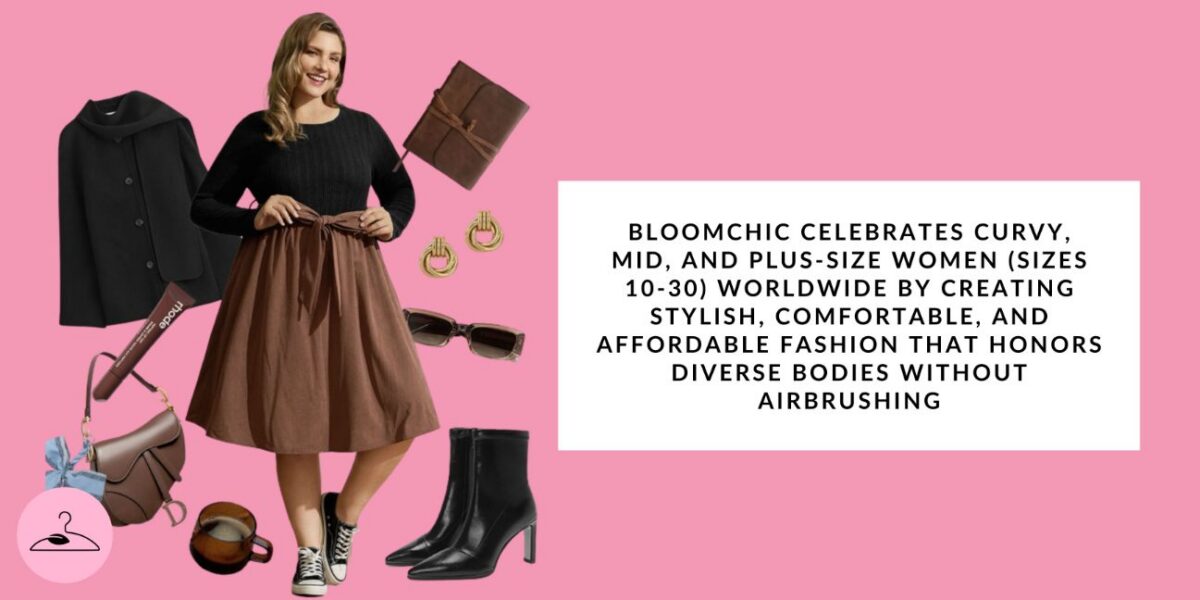
What attracts customers to BloomChic lies in its emphasis on inclusivity, diversity, and authenticity. Currently, the fashion industry falls short of plus size clothing options, as popular brands offer a narrow spectrum of sizes. BloomChic, however, rejects the status quo.
The brand has gained popularity, due to its fluidity of sizes, in tandem with affordable and trendy clothing. After all, BloomChic places its marketing around the customer, even eliminating the use of photoshop in their image production. This makes the customer feel heard and appreciated while inspiring body confidence.
Hence, the concept behind BloomChic is admirable, as it presents a wider and authentic image of beauty. However, as mentioned above, the brand has a lot to do when it comes to sustainability.
Is BloomChic the Same As Shein?
While some regard BloomChic as a plus-size iteration of Shein, the two are different companies. However, they share many similarities when it comes to the use of synthetic fabrics, overproduction, low quality apparel, and cheap prices.
How Is BloomChic Similar to Shein?
BloomChic’s so-called “data-driven product development” model is similar to the one of tech-driven yet unethical retailers. For instance, Shein harvests data about its product selection in real time, which allows it to forecast trends more accurately. By the same token, BloomChic strives to track and prioritize popular patterns, color schemes, and materials through data – in order to identify winning trends.
BloomChic As Tech-Enabled Fashion
With the mission to serve the underrepresented plus-size community, BloomChic has set up a new system around trends. It has launched a tech-driven approach to new collections, potentially emulating ultra-fast fashion brands.
Creating Trends Through Data
Put simply, Shein predicts potential sales based on how fast its items take off. If the items fail right in the beginning, they launch new ones with different designs. After all, a thousand new garments appear every day on the Shein app, so the wave of novelty never stops.
The main principle behind tech-driven fashion, therefore, is simple. Certain items, which never make it to the top pages due to unfavorable consumer feedback, get replaced with new ones. Rinse and repeat.
Given that, the complexity of BloomChic’s trend forecasting algorithms, as well as its similarities with Shein, are unclear. That is, they’re only a matter of speculation. However, like Shein, the brand may be harvesting personal data on consumers – so, beware of privacy concerns when using the BloomChic app.
Unclear and Unethical Supply Chains
With no transparency around labor practices, both BloomChic and Shein source their materials from southern China. While the former’s production sites remain hidden, the latter relies on wholesale factories that violate China’s labor laws.
According to The Cut, at Shein factories, garment workers “wash their hair during lunch breaks.” If they happen to make a mistake on a garment, factories rob them of two-thirds of their daily rate. Such illegal practices are likely to occur at other factories as well, especially the ones employed by BloomChic.
Currently, BloomChic sources its items from various countries – without disclosing its stances on labor exploitation. With a lack of transparency, the brand owns no physical stores, yet churns out new collections with record-low prices. Such business model necessitates the use of cheap labor, which is why fast fashion brands refuse to disclose supply chain information.
Thus, both Shein and BloomChic avoid corporate accountability, making garment workers suffer under inhumane conditions and paying them poverty wages.
BloomChic Alternatives
Looking beyond BloomChic, there’s a vibrant world of sustainable fashion waiting to be discovered, which makes us believe that when it comes to plus-size clothing, we are not limited to fast fashion. Rather, conscious brands are actively working towards championing both environmental sustainability and body diversity.
For example, brands Miakoda and Mien stand out as beacons of local, US-based production. Miakoda brings us comfort-focused casual wear, loungewear, and yoga attire up to size 4X, while Mien crafts minimalist classics in Los Angeles, extending their sustainable offerings to size 3X. Both brands exemplify how local production can merge seamlessly with size inclusivity.
By the same token, Tuesday of California takes an innovative approach by utilizing deadstock fabrics, providing an extraordinary size range from XXS to 7X.
Moreover, in the realm of specialized sustainable wear, Girlfriend Collective has revolutionized activewear with their recycled materials and impressive size range up to 6X. Their garment recycling program demonstrates their commitment to circular fashion. Warp + Weft focuses on sustainable denim, offering sizes from 00 to 24, while implementing innovative water recycling practices.
Is BloomChic Fast Fashion? Final Thoughts
Supporting a size-inclusive industry, BloomChic’s business model is not sustainable, as it perpetuates the use of non-biodegradable, synthetic clothing while potentially partaking in labor exploitation. So, considering that BloomChic qualifies as fast fashion, what can you, as a consumer, do to avoid it?
Recommendations for Consumers
If BloomChic aligns with your budget or size needs, consider the following steps:
- Explore Alternatives: Seek out sustainable plus-size brands whenever possible.
- Limit Purchases: Avoid overconsumption to minimize waste.
- Build a Capsule Wardrobe: Invest in versatile, high-quality pieces for long-term use.
PRO Tip: Keep in mind that you don’t need to buy a lot of clothes to be fashionable. Start with a few basics, build a minimalist capsule wardrobe, and find joy in your eco-friendly closet.

Frequently Asked Questions
BloomChic offers low prices due to its fast fashion model, which relies on synthetic fabrics and overseas manufacturing with low labor costs. This business structure allows for high-volume production at minimal expense, but it raises concerns about unethical practices, including worker exploitation and environmental harm.
BloomChic has implemented eco-friendly packaging made from recycled materials and a small-batch production model to reduce overstock. However, the brand lacks comprehensive recycling initiatives and continues to use synthetic fabrics, which harm the environment.
BloomChic’s reliance on synthetic fabrics like polyester and rayon can pose health risks due to the presence of toxic chemicals such as PFAS and formaldehyde. Prolonged exposure may cause skin irritation, allergies, or other health issues.
BloomChic empowers women by offering clothing in sizes 10–30 and featuring models from diverse backgrounds. The brand avoids photo editing to celebrate natural beauty and promote body confidence.
No, donations do not compensate for overproduction. Most donated clothing eventually ends up in landfills due to contamination, low quality, or logistical challenges, contributing to environmental degradation.
We recommend that you avoid shopping at BloomChic, as it is a fast fashion brand. However, if you have to, consider limiting your purchases, opting for versatile pieces, and avoiding overconsumption. Alternatively, explore sustainable plus-size brands to align your wardrobe with ethical and eco-friendly values.


2 Comments
i have been buying their dresses for several years…none have fallen apart, and they look nice. its an affordable way for me at least to wear nice looking dresses, and not spend tons of money.
This was very helpful. I have been shopping at Ulla Popken, a German company that has plus sizes, for years. Their quality and style has always been excellent. I’m still wearing stylish clothes bought from them in 2009. Their pricing is fair. They have discounts and a lot of their clothing is cotton, with some viscose. I buy mostly cotton tops from them, especially those with the Oeko-tex labels. Their fashions tend to be retro, which I love and also high end elegant.