

Is Urban Outfitters Fast Fashion in 2026? Our Verdict
July 14, 2023
Is Cider as Bad as Shein? An Honest Look
September 30, 2023
Shopping has become a modern necessity. Fast fashion and shifting trends push the idea that more is always better. This raises the question: how often should you buy new clothes? If you’re aiming to stay stylish without overspending or overconsuming, we’re here to help you find that balance.
How often should I buy new clothes?
Most people only need to buy new clothes a few times per year — typically when items wear out or when you have a genuine wardrobe gap. Buying high-quality staples and replacing essentials every 1–3 years keeps your wardrobe functional without overconsuming.
If you’re concerned about hoarding, though, here’s the reality: according to a report from Berlin’s Hot Or Cool Institute, individuals living in regions with two seasons only need about 74 garments, while those in four-season climates require around 85 pieces. Anything beyond that tends to fall into the fast fashion overconsumption territory.
Ultimately, there’s no one-size-fits-all answer, but being mindful of your wardrobe’s true needs is a powerful place to start.
General Clothing Replacement Guidelines
| Clothing Item | Replace Every | Why |
|---|---|---|
| Underwear | 6–12 months | Hygiene + elastic wear |
| Basics (tees, tanks) | 1–2 years | Fabric thinning, fading |
| Activewear | 1–2 years | Loss of stretch + support |
| Jeans | 2–3 years | Fit + shape changes |
| Shoes | 1–2 years | Support breaks down |
| Sweaters | 2–4 years | Pilling + fabric stress |
| Coats | 5+ years | Seasonal wear is low |
When Life Changes, So Should Your Wardrobe — Mindfully
So how does this connect to how often you should shop? Major life shifts often tempt us to buy in bulk, but the goal is to shop only as often as your new lifestyle truly requires. Your life changes, sometimes out of choice and sometimes out of necessity. This could mean a new job, a new place, or a new crowd.
It’s important to have a few new items if that helps you transition into a new phase of your life (I remember buying my first pantsuit, as I entered adulthood — we’ve all been there!).
Shopping for Transitions, Not Trends
However, such items should be investment pieces, which will not only last you a season, but also carry you through a crucial period of your life. In other words, it should reflect quality, versatility, and sophistication: something that won’t go out of style in a matter of months.
✅ Do: Be it a leather work tote or the classic blazer, invest in wardrobe staples, rather than statement pieces to reflect your new lifestyle. Staples should feature minimalist cuts and timeless styles, rejecting fleeting trends that won’t serve you well in the future.
✅ Do: When switching to a new lifestyle mold it into a long-term commitment — consider building a versatile, year-round capsule wardrobe. After all, longevity is always eco-friendly.
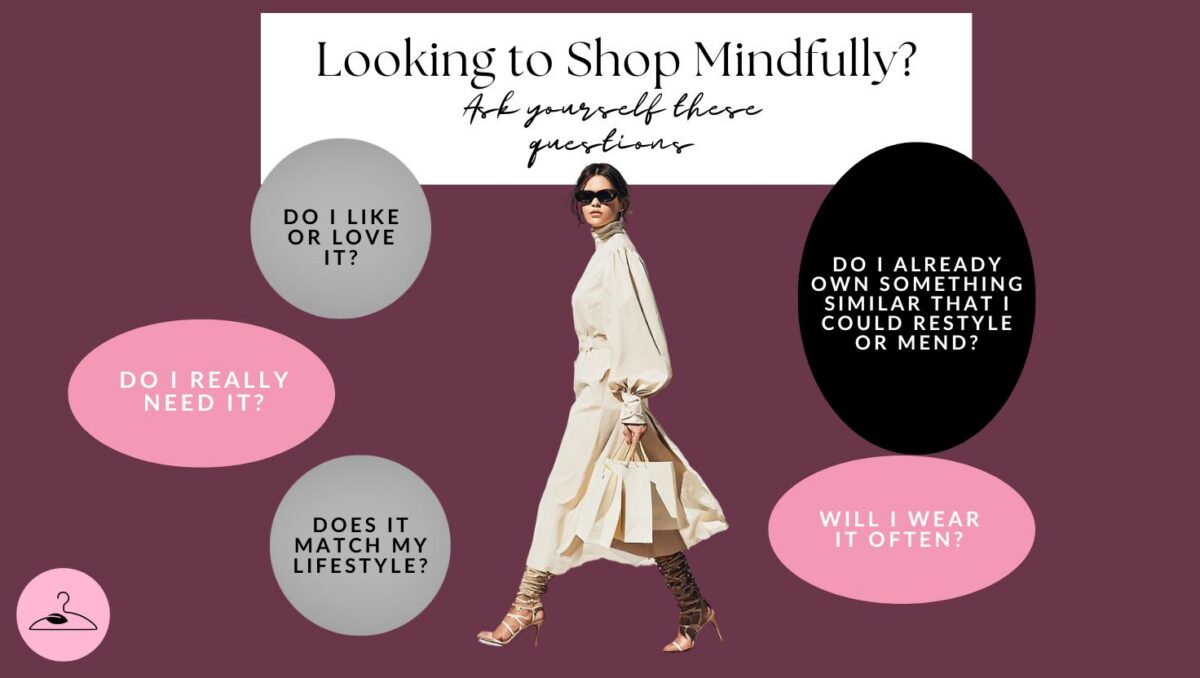
🚫 Don’t: Refrain from buying new clothes when you feel like you have nothing to wear — this leads to unnecessary purchases. Instead, try revamping your old pieces into something new! This way, you’ll breathe a new life into unwanted items, adding a personal touch to every upcycling project.
Invest in Functional Upgrades When Needed
Here’s another angle on how often you should buy new clothes: let function lead, not trends. If you are lacking functional clothing for any activity you love, this is a great time to invest in some high quality items. If you get into a new sport, it’s important to buy the correct shoes and clothing to support your body! No one wants to run a 5k in kitten heels (or maybe you do, and in that case, you go, girl!).
🚫 Don’t: Buying too much if you’re just starting out is a bad idea – a few nice pieces go a long way, especially if you end up leaving the sport or activity. These few items you purchased can be worn for leisure, given to charity, or upcycled for reuse!
Choose Brands that Care: Buy Ethical and Sustainable
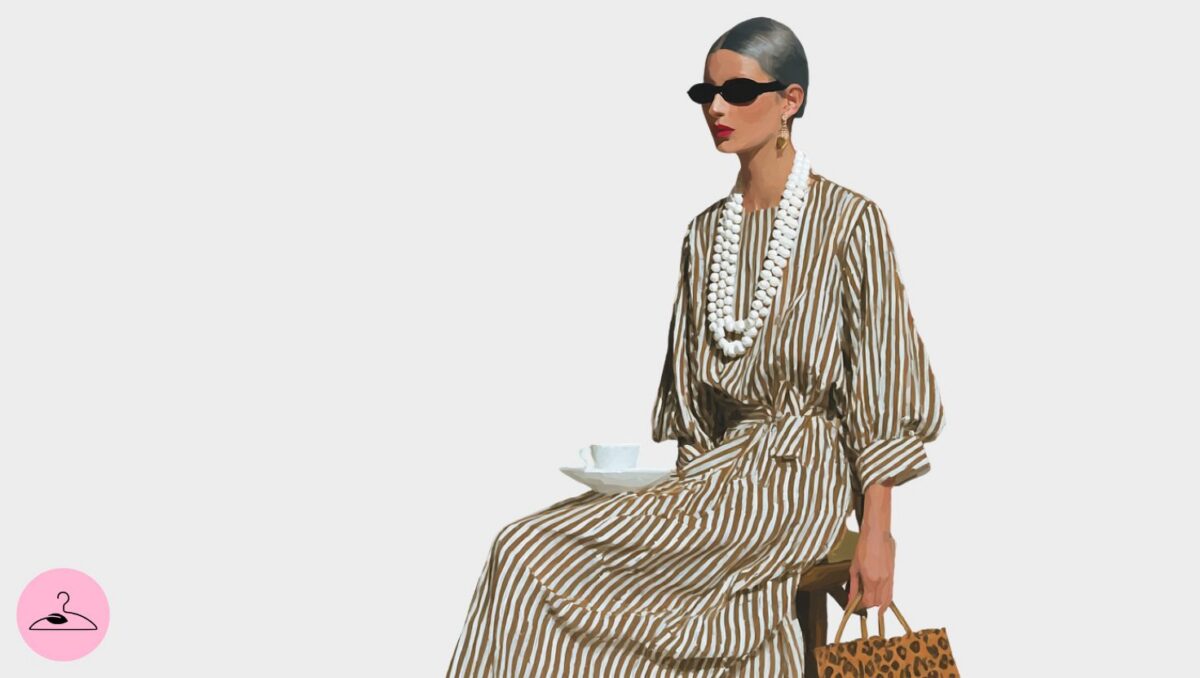
But even when you do buy, how do you decide what’s worth adding and when? Buying from sustainable brands helps you slow your buying rhythm naturally. Supporting the fashion industry through more responsible practices is an important part of collectively shifting to more sustainable norms!
🚫 Don’t: Don’t fall for the “green” version of consumerism, which refers to the idea of buying too many sustainable clothes for the sake of eco-friendliness. Sustainable purchases are items you should invest in and that you really love, not closet fillers!
Fill Wardrobe Gaps, Not Your Closet
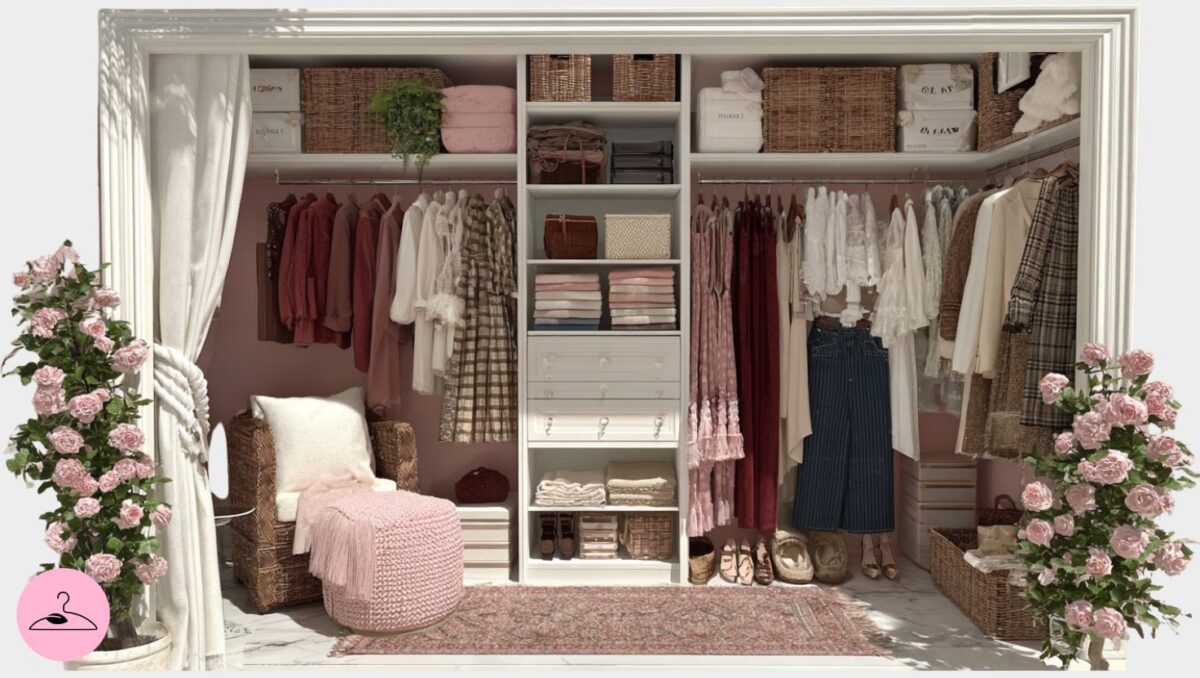
Now, let’s bring it back to decision-making — a key part of figuring out how often you actually need to shop. When you have a gap in your wardrobe, it may become hard to create outfits that fit your needs and also your style. In capsule wardrobes, versatility is key to sustainable style. With more options to mix-and-match, you can create cohesive outfits and find more fulfillment in your wardrobe.
For this reason, deciding on what is missing is crucial. Finding one or two pieces that expand your options can help you avoid binge buying new items, ultimately, saving you and your wallet a whole lot of buyer’s remorse!
🚫 Don’t: Don’t completely refill your wardrobe because you’re fed up with your outfits. Find some pieces to reuse or give away, then assemble new looks with your basics, and finally, select a few new pieces to revitalize your style.
Why Should I Buy Less?
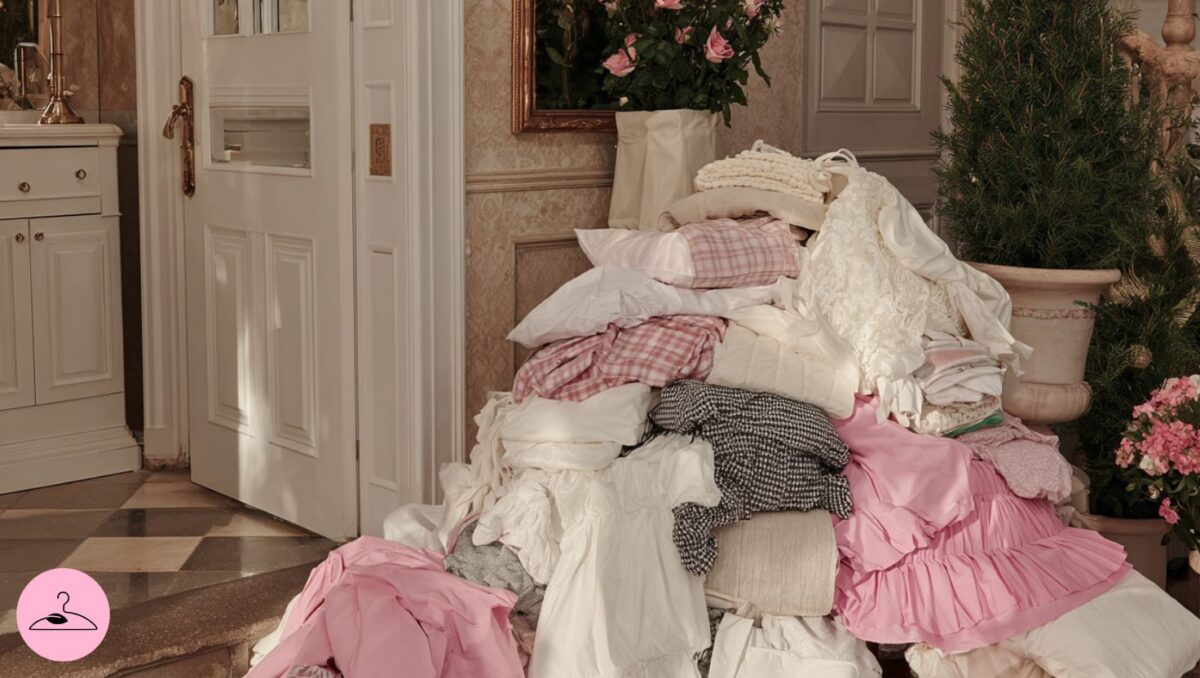
You might still wonder how this ties into how often you should buy clothes — and the answer is simple: the less reactive your shopping is, the less often you’ll feel the need to buy. There’s enough clothing on the planet to dress the next 6 generations — we want to advocate for mindful shopping, sustainable fashion, and the development of personal style. This way, you’ll buy what you truly like, not what trends dictate.
Trends, and more specifically, “micro-trends” are like kryptonite for most fashionable shoppers. Once one new thing is out of style, a brand new trending article of clothing is all the rage. If you need any example, you can speak to the pink patterned cargo shorts in my childhood closet (I begged my mother for them for months). Wore them twice — never again.
You can eliminate this vicious couture cycle of over-consumption by committing to a few sustainable commandments of buying. After all, minimalism is what will bring more clarity to your question, “how often should I buy new clothes?”
The Problem with Fashion Overconsumption
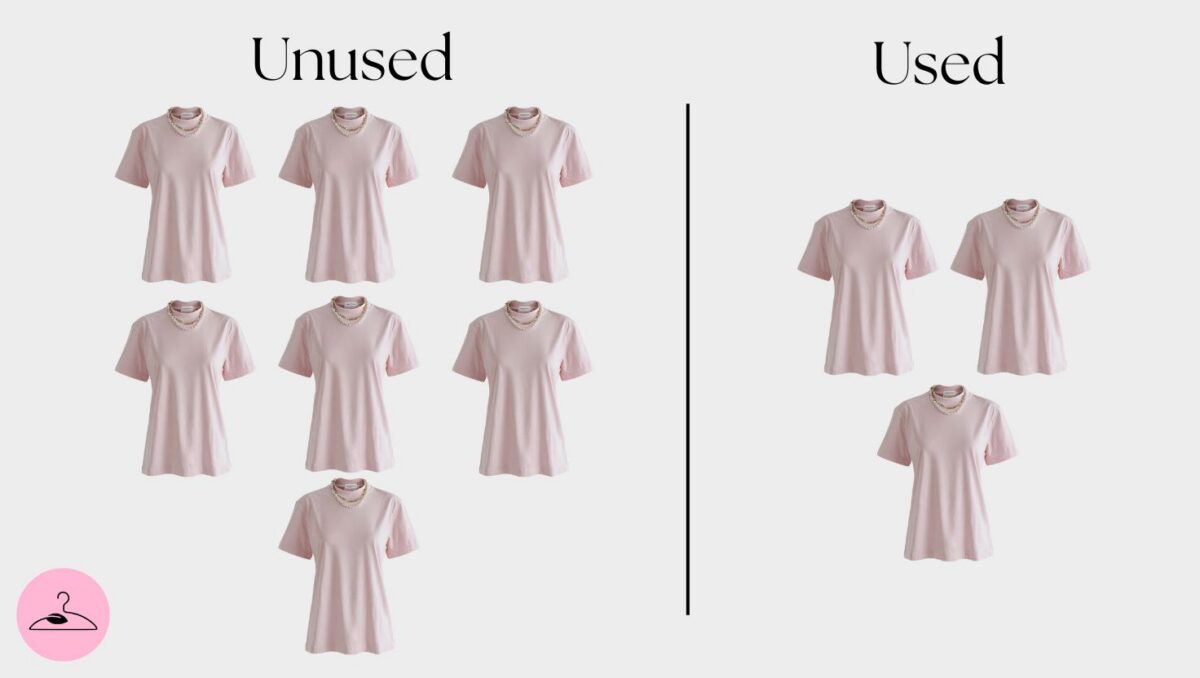
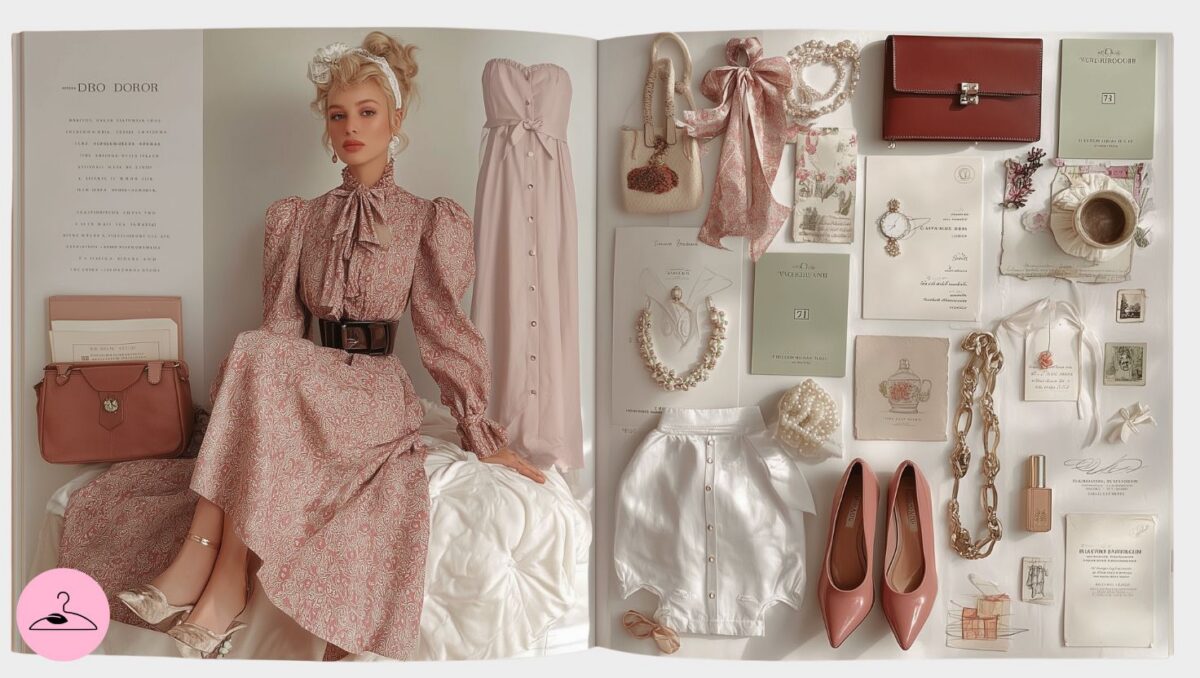
Overconsumption directly shapes how often people shop — often far more than they truly need. The amount of internet sales alone has risen from 14.7% in 2016 to a whopping 30.7% in 2022. The average American shopper will buy more than ten times the recommended amount of clothes, purchasing an average of 68 new items in just a year. According to Hot or Cool, 80% of those are barely worn. So, why are we so dedicated to buying more, when we really need to be buying less?
The Online Shopping Phenomenon
And since online shopping encourages frequent purchasing, it’s worth looking at how to slow that pace down. Online shopping offers convenience, but it can lead to mindless purchases. Every click adds up, often resulting in items you don’t really need. To combat overbuying, consider these tips:
- Channel your creativity—style, mend, and repurpose clothes instead of buying new.
- Declutter and reassess your closet each season.
- Stop depending on trends—mix and match what you already own.
- Avoid mindless shopping—make a checklist and block impulse-buying sites.
Remember: Shopping is Not a Personality Trait
This brings us back to the core question — how often should you buy? Certainly not as often as emotional shopping might tempt you. Shoppers today face the issue of having too much to choose from — so much more is available, so why not take advantage? Shopping habits are influenced by emotion and the pressure to conform, and rest assured, we are victims of both. Know how often you should purchase garments and make shopping work for you, not the other way around.
Is it a Need or Compulsive Shopping?
Shopping today is driven more by pleasure than necessity. Research shows an uptick in Compulsive Buying in adults over the last 20 years. A study found that “people break with traditional notions of shopping and shop hedonistically (sensationally) getting a thrill or experiencing pleasure” (Lejoyeux & Weinstein, 2010). Shopping can become a serious problem, so it’s crucial to help others and recognize when you need help.
Moreover, it’s reported that Online Shopping Addiction (OSA) and Compulsive Buying are addictions that “5% of adult Americans appear to be afflicted with”. Compulsive buying can lead to difficult consequences, like financial and legal problems (debt, loans, and overdrafts), interpersonal issues, and even psychological distress.
Final Thoughts
Today, shopping feels almost as essential as eating or sleeping. But that’s exactly why it’s worth pausing and asking yourself: how am I shopping, and is it serving me— or the planet?
Frequently Asked Questions
Most people buy new clothes every few months, usually when seasons change, work needs shift, or sales make updating easier. Buying patterns vary widely, but many prefer small, occasional additions instead of constant shopping. Lifestyle, budget, and personal style all influence how frequently someone feels the need to refresh their wardrobe.
You may be buying clothes too often if items sit unworn, tags accumulate, or your closet feels overwhelming despite regular shopping. Feeling impulsive, guilty, or unsure why you bought something is another clue. Tracking what you actually wear can reveal whether purchases support your lifestyle or simply fill emotional gaps.
Most wardrobe essentials last one to three years depending on fabric quality, washing habits, and how frequently you wear them. Replace basics when they lose structure, fade noticeably, pill excessively, or no longer feel comfortable. A simple way to decide is noticing whether the piece still helps outfits look polished and intentional.
Minimalists often aim for a small, intentional wardrobe—sometimes 30 to 60 pieces—but there’s no universal rule. The ideal number depends on your climate, job, lifestyle, and how often you repeat outfits. The goal isn’t strict limits but building a wardrobe where everything is purposeful, wearable, and easy to mix.
Buying new clothes monthly isn’t automatically bad; it depends on whether purchases are intentional, affordable, and genuinely useful. If shopping strains your budget, creates clutter, or feels compulsive, it may be worth slowing down. But thoughtful monthly additions can make sense for evolving careers, changing seasons, or refining personal style.



1 Comment
So true about the “green” consumerism… I definitely need to be mindful that consumption is still consumption!