
Clear Winter VS Cool Winter: How to Tell Them Apart
April 2, 2024
Fast Fashion and Consumerism: 5 Motives to Be Aware Of
April 6, 2024
Blondes can wear a wide range of colors, but not all of them create the same impact. A capsule wardrobe for blondes works best when color choices support your natural features rather than washing them out. In this guide, we’ll shows how to build a streamlined, mix-and-match wardrobe that feels polished, intentional, and flattering. Let’s dive in!
Choosing a Color Palette for Blondes
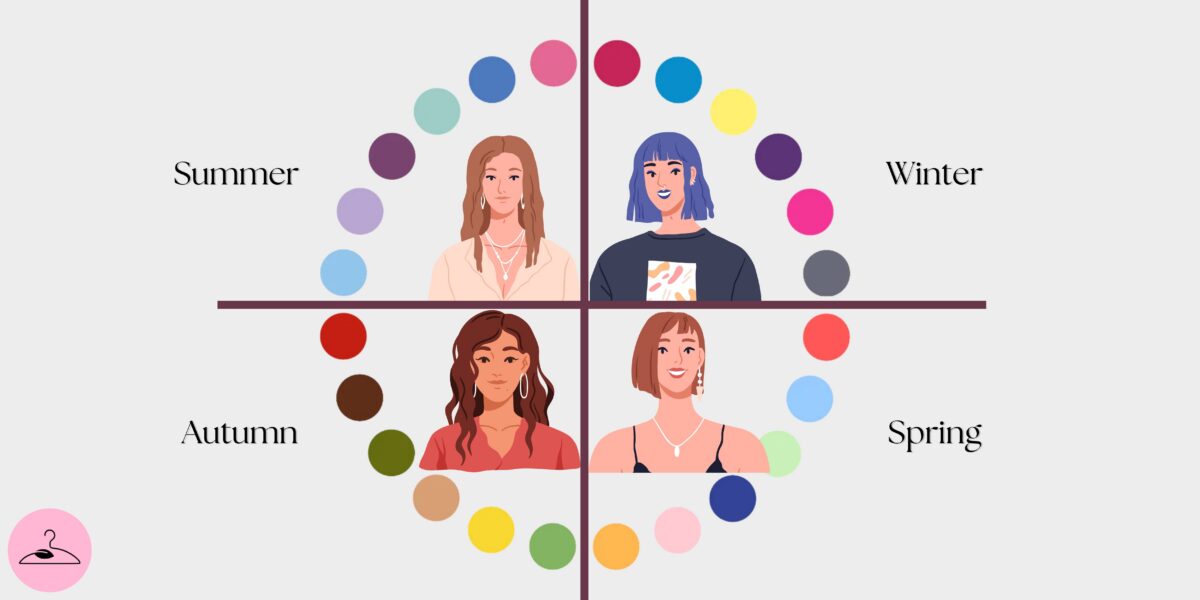
Before building your capsule, it helps to know where blondes usually land in color analysis. Carrying medium-to-low contrast, most naturally fall into either the Spring or Summer seasons, and the distinction between the two is simple: Spring is warm-toned and clear, while Summer is cool-toned and softly muted.
For example, golden, sun-kissed blondes often lean Spring, as they’re warm-toned, while ash or neutral blondes are frequently Summers (cool-toned). Once you know which camp you’re in, choosing capsule colors suddenly feels far less like guesswork.
Capsule Wardrobe for Warm (Spring) Blondes
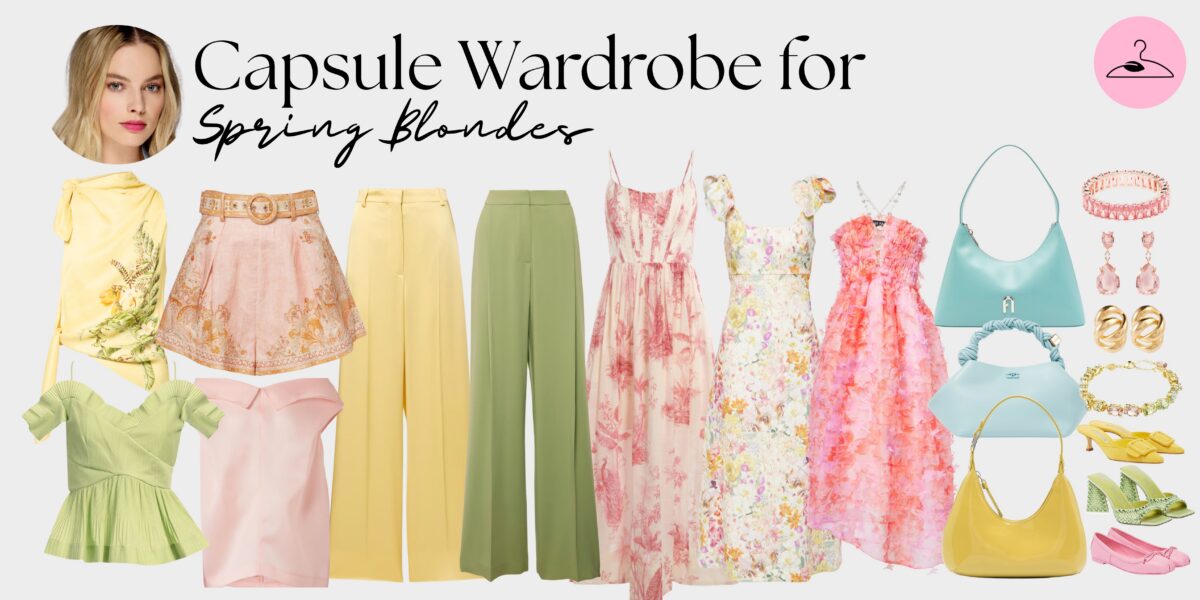
Spring blondes tend to have warmth in their hair and skin, often described as golden, honey, or sunlit. Their best capsule palettes feel fresh, clear, and warm, rather than muted or heavy. Think soft coral instead of dusty rose, warm aqua instead of icy blue, and creamy neutrals instead of stark white.
A Spring-blonde capsule works best when it stays light and lively — too many dark or cool shades can quickly overpower the natural warmth that makes Spring coloring glow.
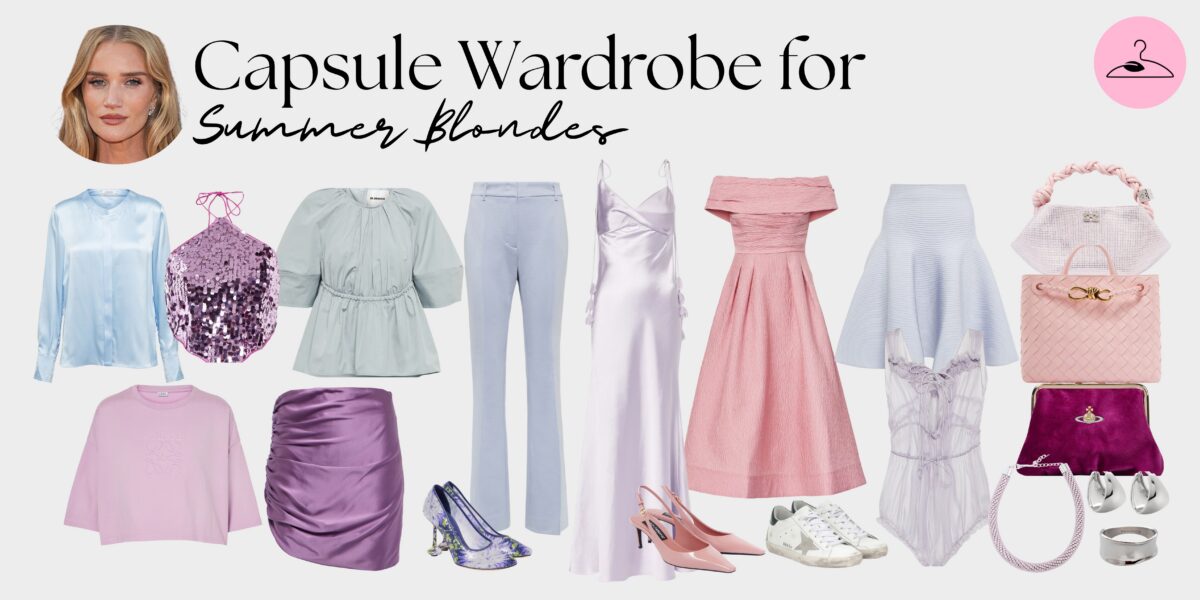
Capsule Wardrobe for Cool (Summer) Blondes
Summer blondes usually have ashier or more neutral hair tones paired with cool or softly pink skin. Their capsules shine when built around cool, muted, and blended colors. Powder blue, lavender, soft navy, dusty rose, and cool gray create a wardrobe that feels elegant and effortless rather than flat.
For Summer blondes, subtle contrast is key. Extremely bright colors or heavy warmth tend to disrupt the harmony, while softer tones allow the overall look to feel polished and cohesive.
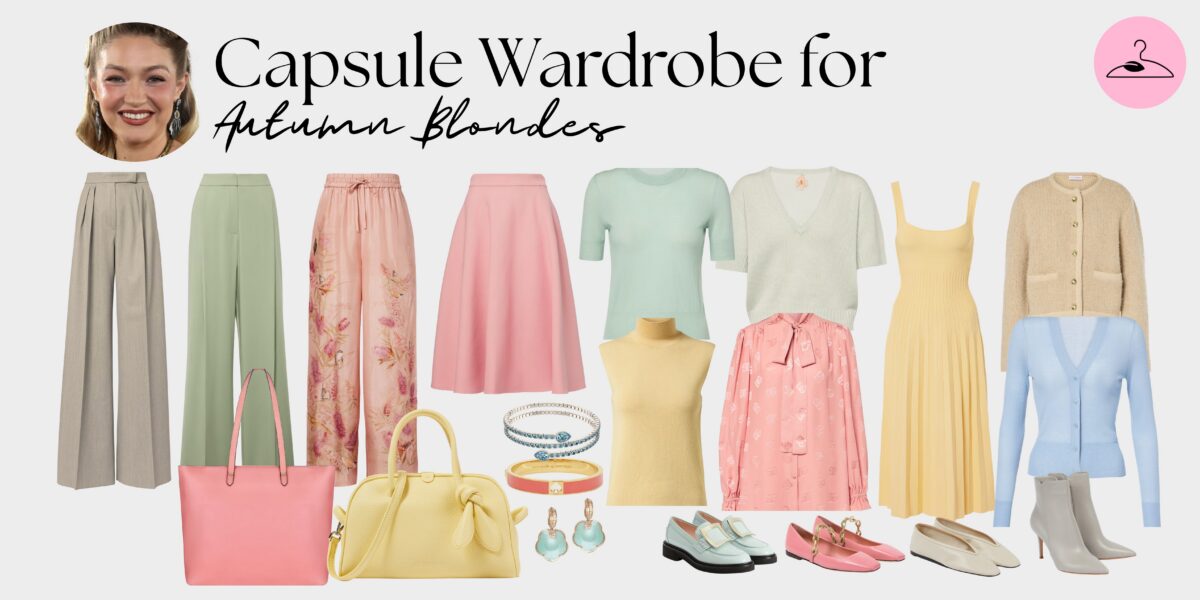
Capsule Wardrobe for Golden (Autumn) Blondes
Autumn blondes typically have golden, honey, or strawberry tones in their hair with warm or softly golden skin. Their strongest capsule wardrobes are built on warm, earthy, and slightly muted colors inspired by fall. Olive green, camel, warm navy, rust, soft teal, and creamy ivory create a look that feels natural, rich, and cohesive rather than harsh.
For Autumn blondes, warmth and depth matter more than brightness. Icy pastels, stark black, or very cool grays can drain the face, while grounded, golden-leaning shades support an effortless, cohesive look that feels relaxed but intentional.
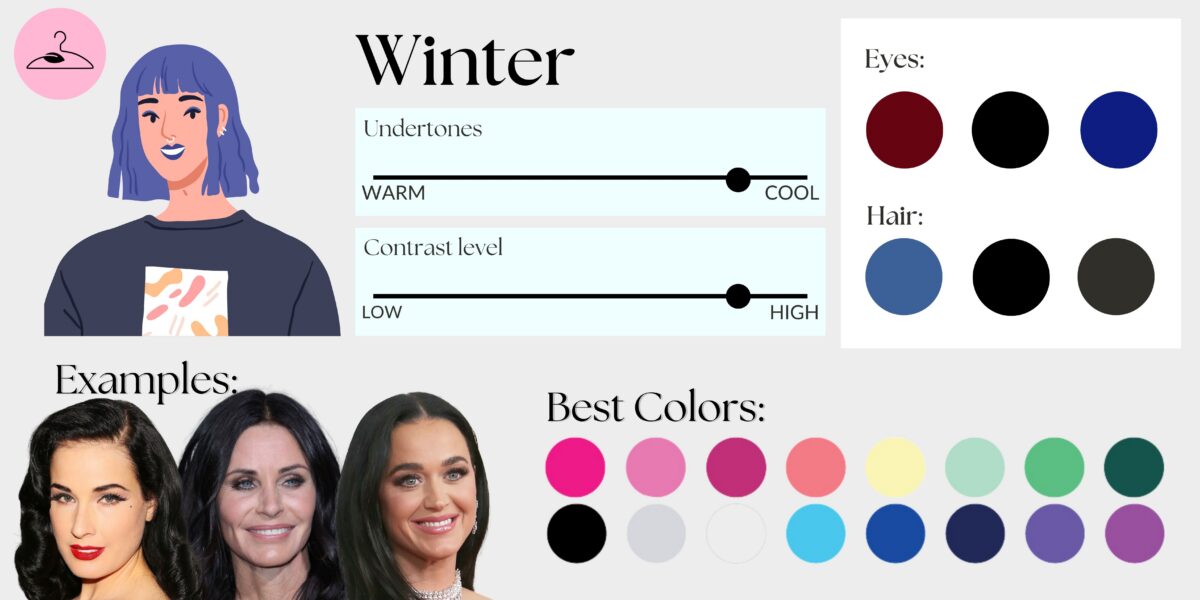
What About Winter Blondes?
Winter coloring is defined by cool undertones and high contrast, which is why natural blondes almost never fall into Winter palettes. Winter seasons typically require very dark hair (or extremely strong contrast against the skin) to support their crisp, icy colors. Most blondes lack that level of contrast, even when their undertones are cool.
That said, blondes are often mistyped as Winter when their hair is dyed very light or platinum. In those cases, the underlying coloring usually places them in Summer, not Winter. Similarly, warmer or darker blondes may sit comfortably in Spring or Autumn palettes. This is why hair color alone isn’t decisive — undertone and overall contrast always take priority in determining your season.
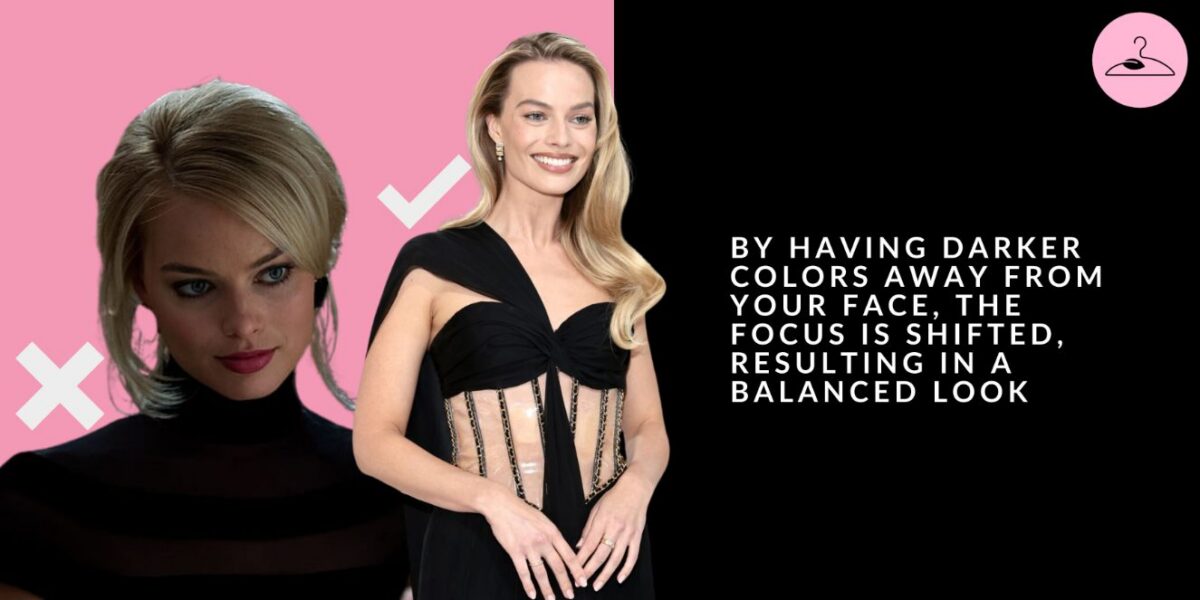
Colors Around Your Face Matter the Most
Blondes tend to be classified as low-contrast, which means that anything bold can overpower their look. Still, you shouldn’t stay away from bright colors – instead, simply incorporate them in garments that won’t overshadow your face. That is, wear high-contrast bottoms with low-contrast tops.
Above all, pay extra attention to the colors around your face, as they can draw attention toward or away from it. For instance, a high-contrast dress won’t dull the sparkle of your face and blonde hair if and only if it features cleavage or an off-the-shoulder design. This way, it won’t come in contact with your face, neck, and hair like a turtleneck would, for instance, resulting in a harmonious balance.
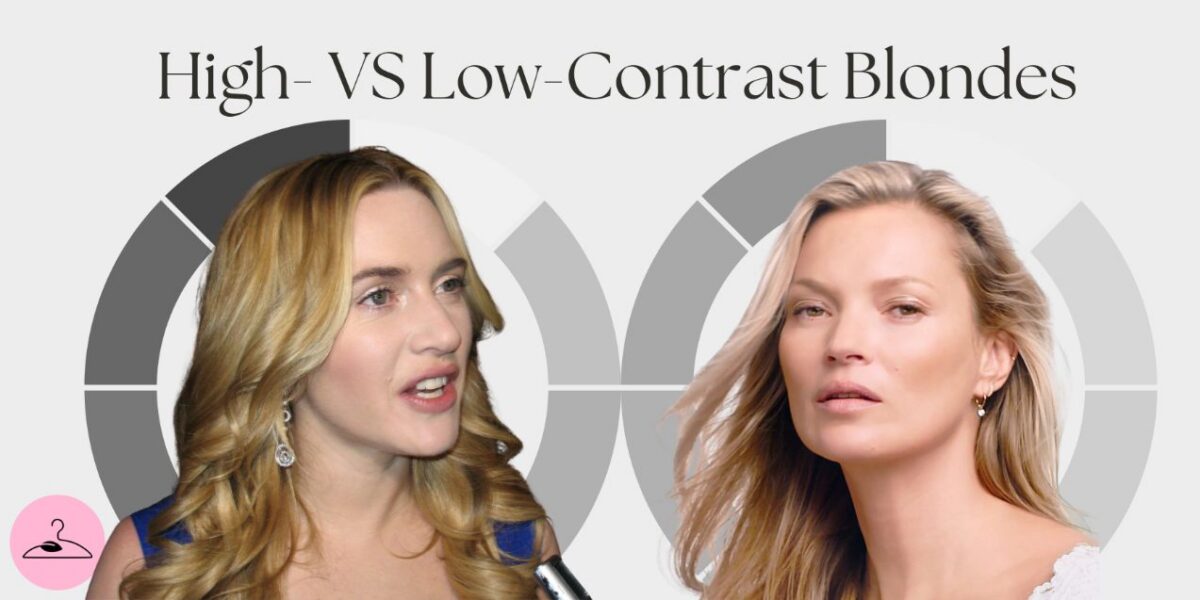
High vs Low Contrast Blondes
When building a capsule wardrobe as a blonde, it’s helpful to consider your contrast level, but with an important clarification: not all blondes are low-contrast. While many naturally blonde people do fall on the lower-contrast end of the spectrum, contrast is determined by the relationship between skin, hair, and eye color, not hair color alone.
Blonde itself spans a wide range, from very light platinum to deeper, darker blondes, and contrast can vary accordingly. However, color choices should always follow your color season first, then be adjusted for contrast.
Overall, blondes with higher contrast (for example, deeper blondes paired with darker eyes or clearer features) can usually handle stronger, more saturated colors — if those colors exist within their seasonal palette. Meanwhile, blondes with lower contrast often look most harmonious in softer, lighter, or more blended colors, again within their palette.
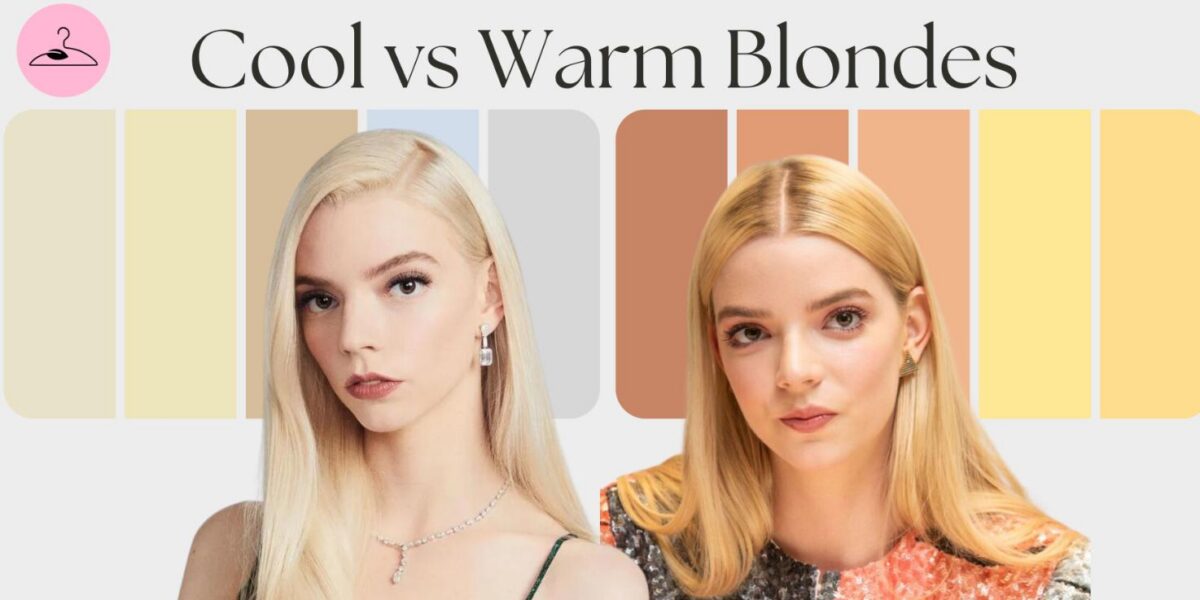
Cool Vs Warm Blondes
Blonde hair has a temperature, and it plays a quiet but important role in picking the right colors for a capsule wardrobe. Cool blondes include shades like platinum, icy, ash, sandy, and champagne, while warm blondes lean golden, honey, caramel, strawberry, or softly coppery. When your wardrobe matches your hair’s temperature, outfits look more cohesive and intentional, because the colors echo your natural undertones instead of competing with them.
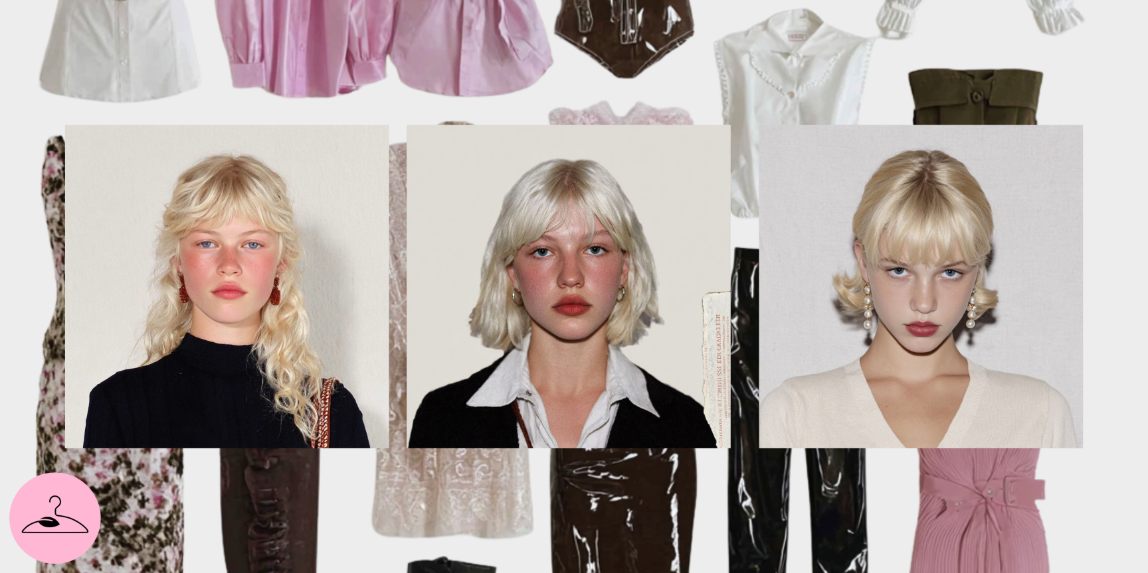
Creating A Long-Lasting Capsule Wardrobe for Blondes
Let’s be honest: revamping your entire wardrobe for the sake of an ideal color scheme can feel overwhelming. Even with the right color options in front of you, knowing how to combine them is another matter entirely.
A distinct color scheme should simplify your choices in theory, but without guidance, you can end up lost in a sea of possibilities, unsure which combinations actually work and which fall flat. Famous fashion designers built their iconic palettes through experimentation, yes, but also through years of training and an eye for what truly works.
That’s exactly why I’ve created an all-in-one styling service designed specifically for your coloring. Instead of guessing or experimenting on your own, you get a complete color palette tailored to you — plus expert guidance on how to combine every shade, build cohesive outfits, and make intentional choices that actually flatter.
The Color-Aligned Capsule™
Where color science meets conscious style.
The most complete wardrobe experience we offer. Color analysis, wardrobe architecture, and personal styling – brought together into one seamless system, built entirely around you. Your season. Your proportions. Your life.
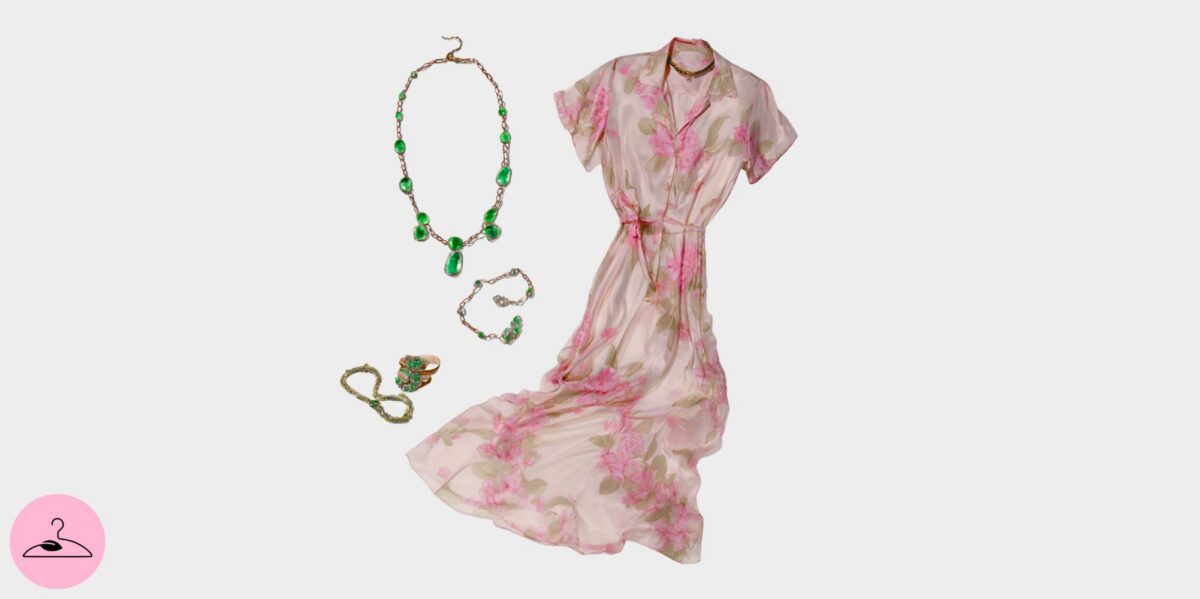
Use Color Blocking to Assemble Outfits
Blondes, it’s time to revive your wardrobe with a splash of color! Instead of tossing away a dated floral dress, give it new life through the color-blocking technique. Layer it with bold jewelry or accessories in hues opposite on the color wheel – like pairing a blue dress with pops of vibrant orange.
To illustrate, a soft pink dress can be beautifully elevated with green accessories, such as an emerald statement necklace or a muted olive clutch. According to the color wheel, pink and green sit opposite each other, making them complementary hues. This natural contrast creates a balanced, eye-catching look that enhances blonde coloring without appearing overpowering.
The Bottom Line
Building a capsule wardrobe that actually works for your blonde hair comes down to knowing yourself. Pin down your exact natural shade, whether that’s ash, golden, platinum, or honey, then identify the colors that genuinely flatter you using color analysis as your guide.
Pull in contrasting accent shades from the color wheel and incorporate them through your accessories, outerwear, and jewelry to add depth and interest. Most importantly, be honest about what you’ll realistically reach for, and start with what’s already hanging in your closet.
Frequently Asked Questions
Cool-toned blondes look most harmonious in blue-based, cool colors that echo their natural undertone. Powder blue, soft navy, lavender, cool rose, berry pink, charcoal, and blue-gray keep skin looking clear and refined. Yellow-based colors, camel, rust, and warm oranges often create a dull or slightly sallow appearance.
Blondes add color most successfully when the accent matches their undertone and overall softness. Cool blondes shine in icy pinks, berries, and periwinkle, while warm blondes glow in coral, turquoise, and warm teal. Keep pops intentional, with scarves, earrings, or shoes, and balance them with calm, compatible neutrals to avoid visual overload.
Blonde hair pairs best with softer neutrals that don’t overpower lighter coloring. Cool blondes look polished in dove gray, pewter, soft navy, and charcoal, while warm blondes are flattered by cream, camel, warm taupe, and cocoa. Very dark or stark neutrals can feel heavy and disrupt natural balance.
Start by selecting two or three neutrals that align with your undertone and contrast level. Add core garments in your most flattering colors, prioritizing versatility and harmony over variety. When every shade works together, fewer pieces create more outfits, making the wardrobe feel cohesive, flexible, and effortless to wear.
Warm-toned blondes glow in colors that reflect golden or peachy undertones. Ivory, camel, soft gold, coral, peach, warm turquoise, moss, and warm green enhance natural warmth beautifully. Cool grays, icy pastels, stark black, and blue-based pinks tend to mute warmth and make the complexion appear flat or tired.

1 Comment
[…] low-contrast, anything bold or vibrant can overpower your look. This is why it’s crucial to curate a capsule wardrobe for blondes carefully, as bright colors, contrasting patterns, and too much depth can throw off your pale or […]