Printable Capsule Wardrobe Checklist: Download for FREE
January 1, 2026
Warm Spring Celebrities: Best Looks & Color Inspiration
March 6, 2026
Struggling to figure out if that lavender falls into your color season? Most color advice stops at “cool tones suit cool skin,” but lavender’s tricky: the same shade can look effortlessly chic on one person and completely wash out another. The secret? It all comes down to your seasonal color palette, and the specific value, chroma, and temperature of the lavender you choose. Here’s how to find your perfect match:
What Color Season Is Lavender For?
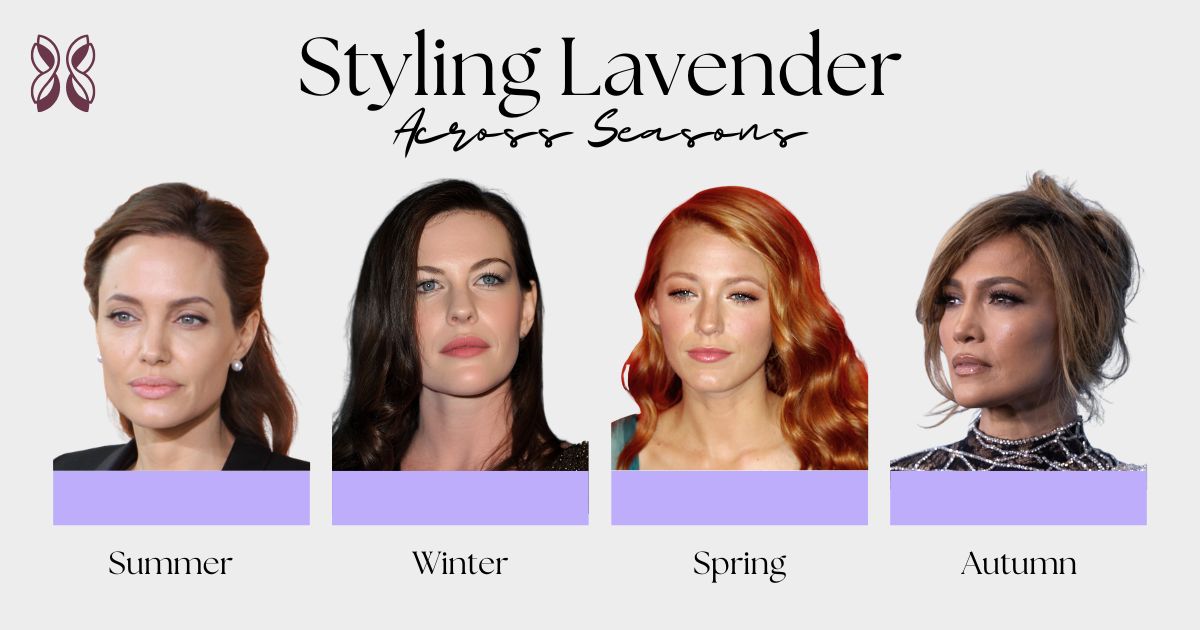
Lavender is most closely associated with cool, soft color seasons — particularly those within the Summer family. The seasons that wear it best are True Summer, Light Summer, as well as Cool Winter. The ones that may pull of lavender, depending on its saturation, include Soft Summer, Soft Winter, and Deep Winter.
| Season Group | Works with Classic Cool Lavender? | Best Lavender Type(s) | Reason Why / Why Not |
|---|---|---|---|
| Summer (True, Light, Soft, Cool) | Yes | Dusty lavender, soft mauve, muted or pastel lilac | Cool, soft, and muted tones harmonize with Summer’s blue undertones and gentle contrast. |
| Winter (Cool, Soft, Deep) | Sometimes | Icy lavender or vivid blue-lilac for Cool Winter; deeper, jewel lavender for Deep Winter | Works only when brightness or depth align with Winter’s cool intensity – muted lavenders may look dull. |
| Spring (Light, True, Bright) | No | Warm lilac or orchid tones only | Spring’s warm, clear coloring clashes with lavender’s cool undertone. |
| Autumn (Soft, True, Deep) | No | Warm plum, mauve, or aubergine | Autumn’s warm, earthy palette makes cool lavender appear chalky and cold. |
Why Lavender Works for True Summer
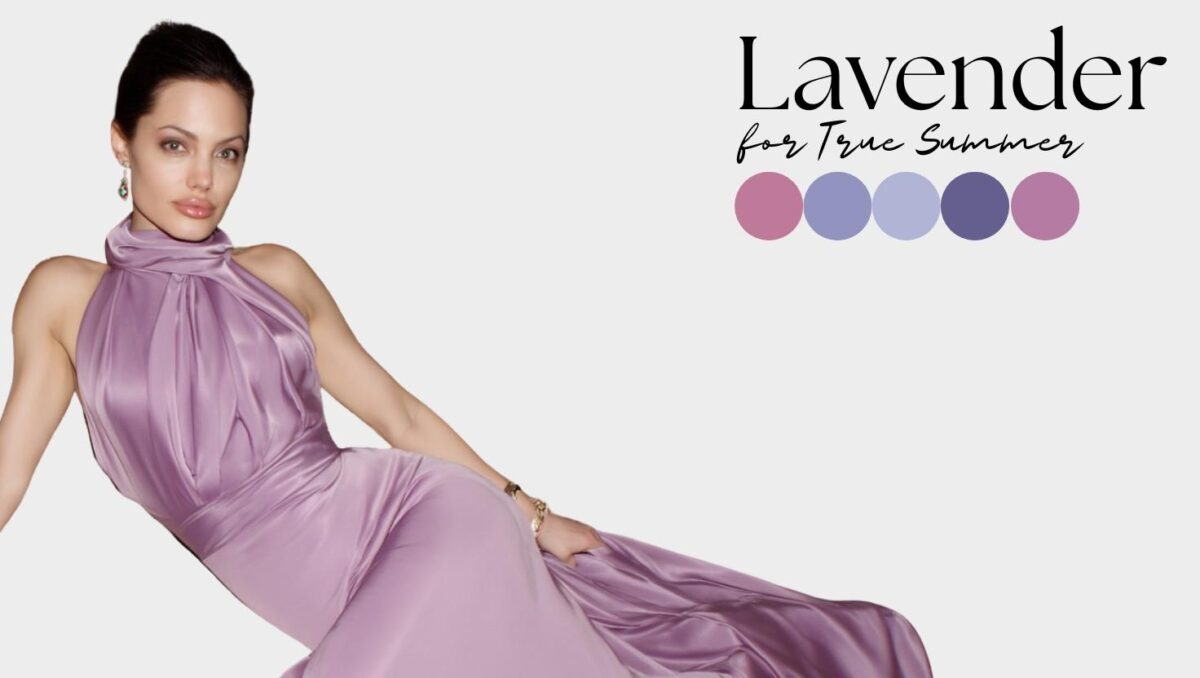
Lavender is a natural home in the Summer color palette. True Summer, with its cool, muted, and soft tonal range, looks its best in dusty purples, soft mauves, and classic lavender hues. Lavender checks every box: its inherent coolness and low saturation is what True Summer looks best in — colors that are never harsh, never warm, and never overly bright.
PRO choices: classic lavender, dusty violet, soft mauve
Why Lavender Works for Light Summer
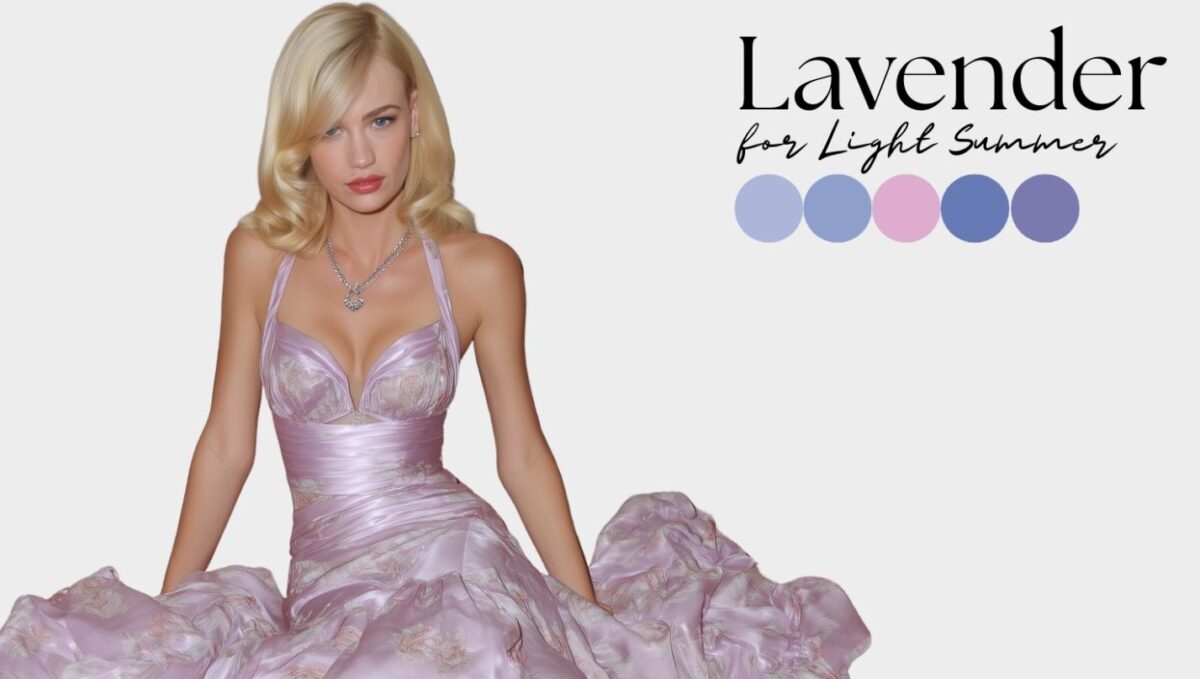
Light Summer loves lavender for the same reasons, with a slight twist. This season blends Summer’s coolness with a touch of Spring’s delicacy, so it gravitates toward softer, more pastel lavender shades. Think soft, airy lavender, a barely-there purple, almost like a whisper of color.
PRO choices: pastel lavender, light lilac, soft periwinkle
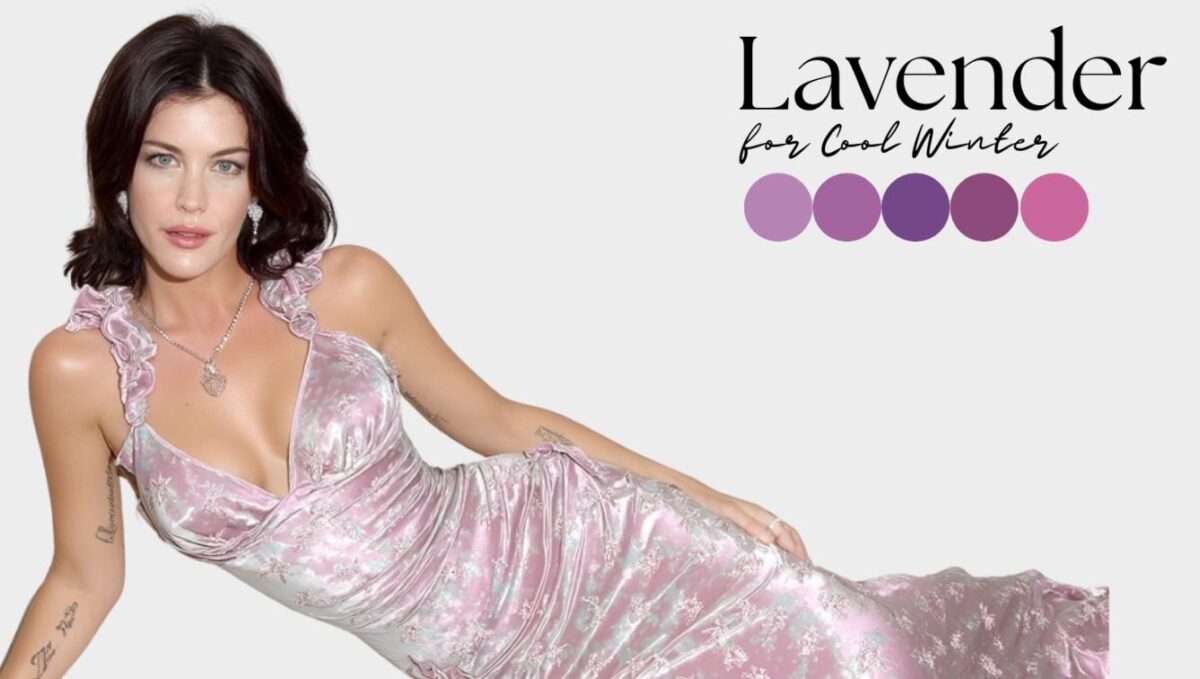
Why Lavender Works for Cool Winter
Winters can absolutely wear lavender, but only a specific kind. Skip anything dusty, grayed-out, or faded. Cool Winter flatters lavender that feels icy and crisp, with a strong blue base that cuts through.
The high contrast and cool clarity of a Winter palette demand that lavender carry enough brightness and depth to hold its own against their striking natural coloring. A watered-down or muted version of lavender will look flat on a Winter, but an icy, vivid lavender will look stunning.
PRO choices: icy lavender, vivid lilac, blue-based violet
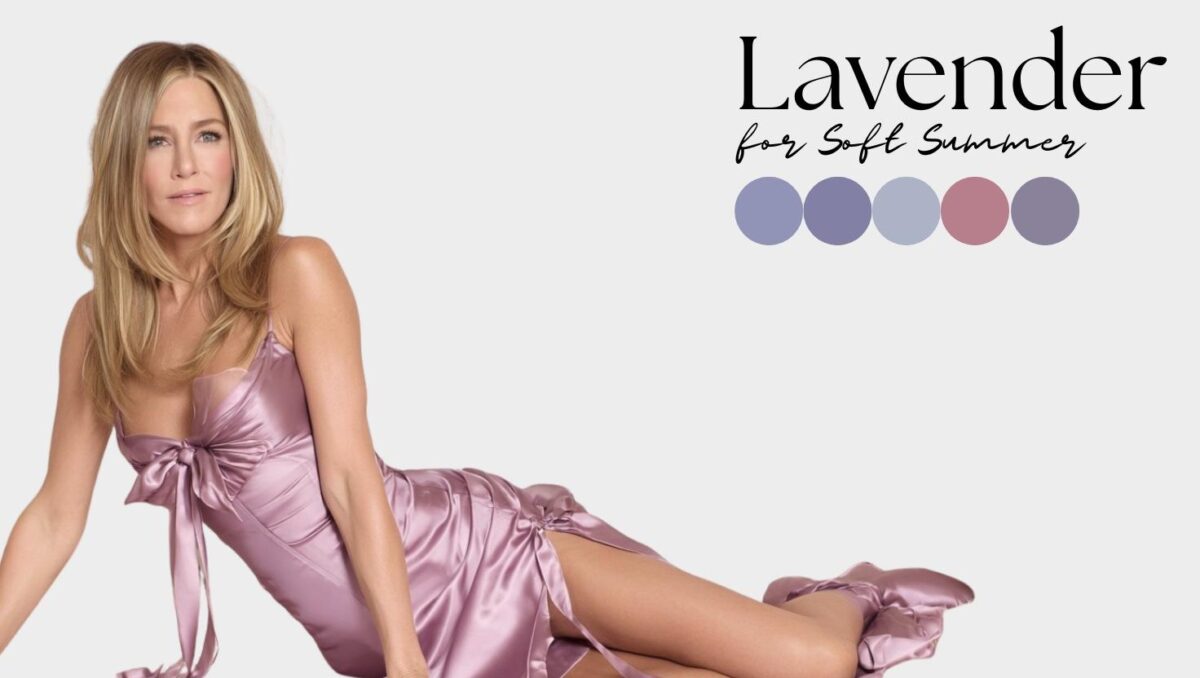
Why Lavender Works for Soft Summer
Lavender is a signature color for Soft Summer, and arguably the easiest one to wear. The season’s cool undertone and naturally low contrast align perfectly with lavender’s cool, muted quality, making it one of those rare colors that requires no effort to style.
The key is staying within the muted end of the spectrum. Dusty lavender and greyed lilac are ideal. Vibrant or bright purples introduce a sharpness that works against Soft Summer’s subdued coloring and should be avoided.
PRO choices: dusty lavender, greyed lilac, muted orchid
Seasons Where Lavender Is a “Maybe”
Some color seasons fall in a middle ground where the right shade of lavender can work, even if it is not an automatic yes.
Soft Winter can navigate lavender when it leans dusty and slightly muted with a cool base, sitting somewhere between Summer’s softness and Winter’s cool edge.
Deep Winter can wear lavender only if the saturation is high enough. A pale or pastel lavender will look weak and underwhelming against Deep Winter’s intensity, but a deeply pigmented, jewel-toned violet-lavender can work.
Color Seasons That Should Avoid Lavender
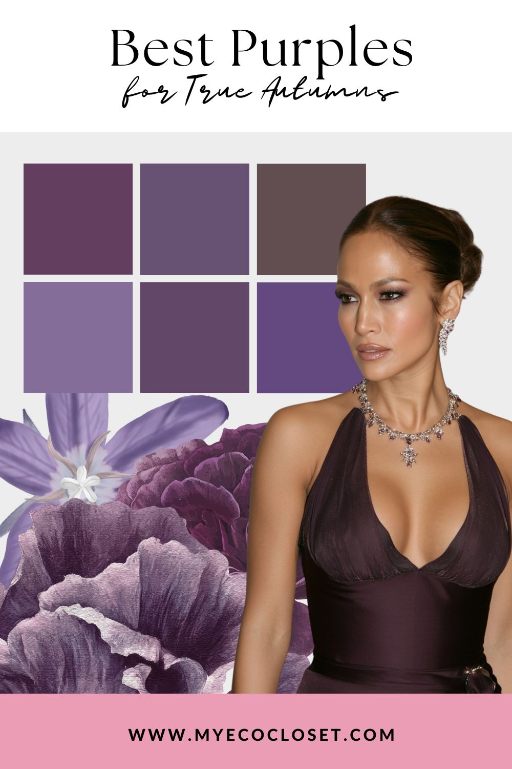
True Autumn
True Autumn is built around warmth — golden undertones, earthy richness, and deep, spiced hues. Cool lavender sits in direct opposition to everything that flatters this season. Placing a cool-toned lavender near a True Autumn’s face tends to make the skin appear dull, sallow, or washed out, because the color fights against rather than enhances their natural warmth.
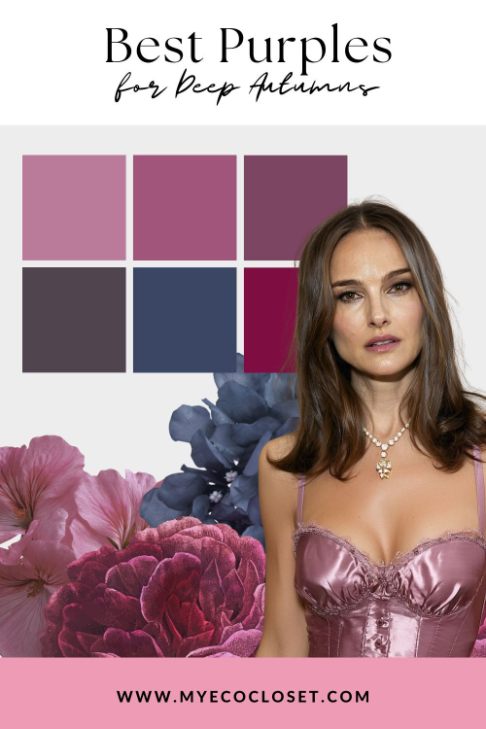
Deep Autumn
Deep Autumn faces the same challenge. This season thrives on depth and warmth — think rich chocolates, burnt oranges, and forest greens. Lavender lacks both the warmth and the intensity that Deep Autumn needs. On this palette, lavender often reads as flat and draining, robbing the complexion of its natural vitality.
True Spring
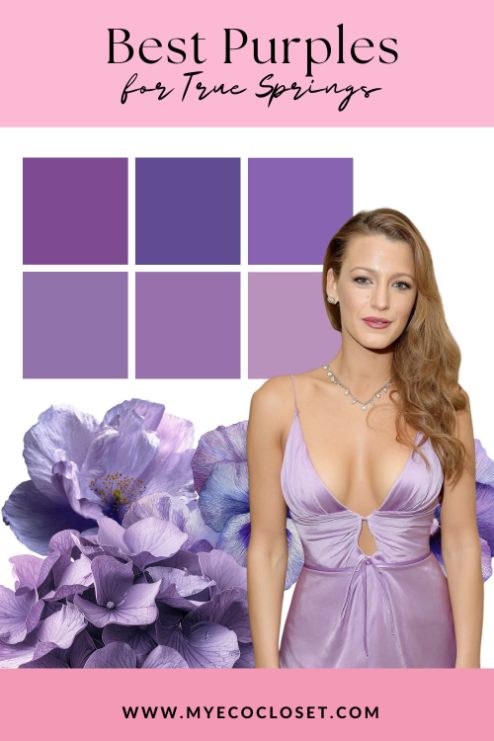
True Spring is warm-first and needs colors with golden clarity and energy. Cool lavender can mute the natural glow that makes this season radiant, subtly competing with the golden undertone that defines their best colors. The result is a complexion that looks slightly dulled rather than luminous.
Light Spring
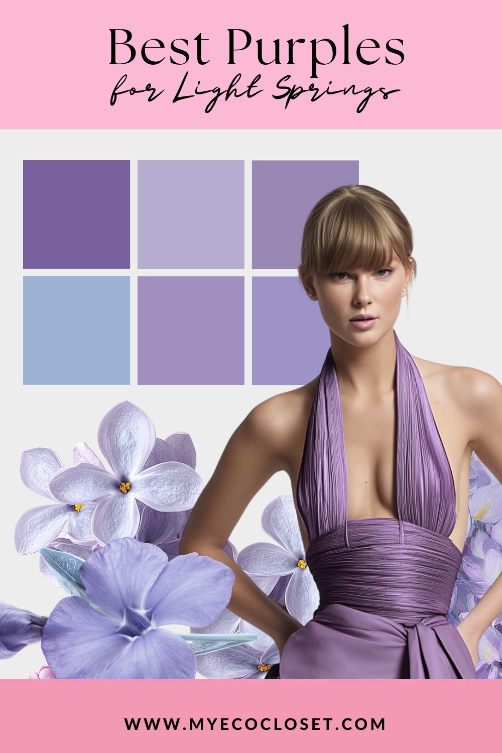
Because Light Spring leans warm — even though it is one of the lighter, softer Springs — standard cool-based lavender tends to feel slightly off. If a Light Spring wants to experiment in the purple-lilac range, a warmer lilac with a hint of peach or yellow will harmonize far better than a classic cool lavender.
Bright Spring
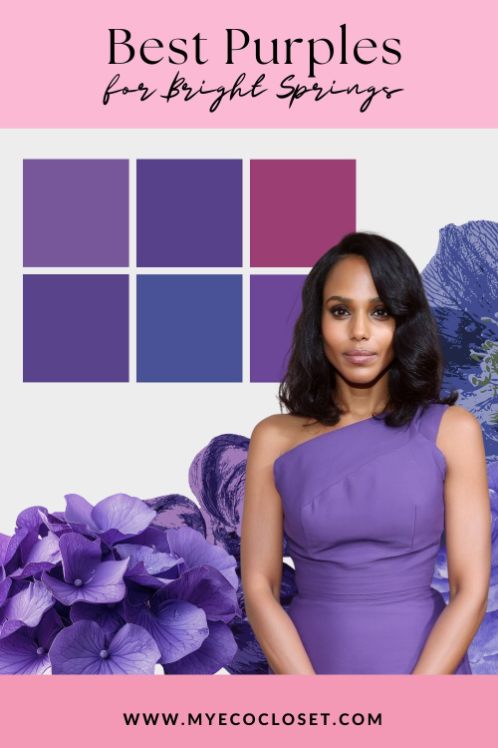
Bright Spring needs two things above all: warmth and clarity. Lavender typically fails on both counts for this season — it reads as too cool and too soft for a palette that demands vivid, sun-warmed, high-contrast color.
Soft Autumn
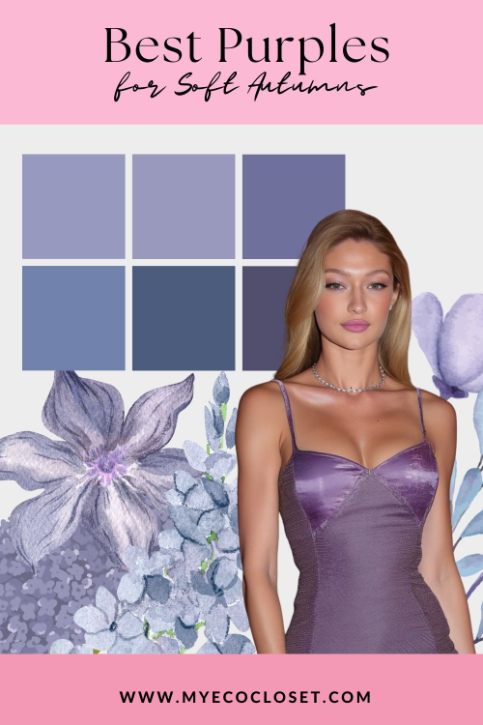
Classic lavender is generally not a good match for Soft Autumn. It reads as too cool and too disconnected from this season’s warm, earthy palette — and against Soft Autumn’s warm-neutral undertones, it can look powdery or slightly artificial. If you’re drawn to purple, opt for warmed, dusty versions instead.
The best Soft Autumn purple shades include heathered purple with brown influence, muted plum, or smoky orchid with a beige base. For everything else, dusty rose, warm mauve, and soft aubergine are natural fits for this palette.
The Bottom Line
Lavender is fundamentally a cool-season color. It belongs most naturally to True Summer, Light Summer, and (in its iciest form) Cool Winter. For warm seasons — Autumn in particular — it is generally best avoided. For borderline seasons like Soft Summer, Soft Winter, and Deep Winter, the key is choosing the right shade: muted for Soft seasons, icy for Cool Winter, and deeply saturated for Deep Winter.
Frequently Asked Questions
Summer’s palette is built around cool, muted tones — dusty rose, soft blue-gray, muted mauve, cool taupe, soft sage, and powder blue. Nothing warm, bright, or earthy makes the cut. Every color is softened, as if slightly blended with gray, keeping the overall effect calm and cohesive.
Yes, but only Cool Winter. The shade must be icy, clear, and strongly blue-based — nothing dusty or pastel. Deep Winter can attempt lavender only in deeply saturated versions, as anything soft or pale loses impact against their natural intensity. Other Winter subtypes are generally better served by different colors.
Dusty lavender and greyed lilac are the most flattering choices — cool, muted, and carrying a slight grayish undertone. Avoid anything bright, vivid, or high-contrast. The more a shade looks softened rather than saturated, the better it harmonizes with Soft Summer’s naturally blended, low-contrast coloring.
Both seasons suit muted, dusty purples, but the undertone is what separates them. Soft Summer wears lavender that leans cool and gray-based, while Soft Autumn needs warmth woven in. A greyed lilac works for Soft Summer but looks powdery on a Soft Autumn. The latter’s version of purple always carries brown or beige influence — think smoky orchid or heathered plum.