
Spring vs Summer Color Analysis: Tips & Tricks
November 10, 2024
True Spring Celebrities: Common Traits, Makeup, And More
November 14, 2024
A global marketplace that emerged from the East, YesStyle is an all-in-one e-commerce platform offering K-beauty, shoes, and fashion from Korea, Japan, and Taiwan. Known for affordable styles for all ages, it raises an important question: is YesStyle fast fashion or simply misunderstood? In this guide, we will explore the brand’s business model, fabrics, and more, to uncover its ethicality. Let’s dive in!
Is YesStyle Fast Fashion?
With the absence of consumer-facing sustainability reports, YesStyle is fast fashion brand that features synthetic materials, trendy styles, and low prices. The marketplace meets the demand for affordable trending clothes while generating textile waste and harming the environment.
| Factor | Verdict | Why It Matters |
|---|---|---|
| Materials | Mostly synthetic | Heavy use of polyester and acrylic increases microplastic pollution and fossil-fuel reliance |
| Transparency | Low | No factory details or sustainability data, leaving key practices undisclosed |
| Labor Ethics | High-risk | No audits or labor reporting, creating potential for unsafe or unethical conditions |
| Business Model | Fast fashion | Rapid trend turnover and impulse-driven pricing encourage overconsumption |

Why YesStyle Is Considered Fast Fashion
At first glance, YesStyle looks like a global marketplace for K-beauty and cute Asian fashion. But behind the fun branding lies a business model built on speed, synthetics, and constant trend-chasing. Here’s what you need to know:
YesStyle Doesn’t Disclose its Sustainability Practices
YesStyle does not publish brand-specific sustainability reports outlining its environmental impact, supply chain practices, or labor standards. While its parent company, YesAsia Holdings, releases broad ESG reports, these documents focus on corporate initiatives rather than concrete sustainability data.
The company provides no detailed disclosures on carbon emissions, fabric sourcing, waste management, or third-party audits, leaving major gaps in the transparency expected from a global apparel marketplace.
YesStyle Relies Heavily on Synthetic Fabrics
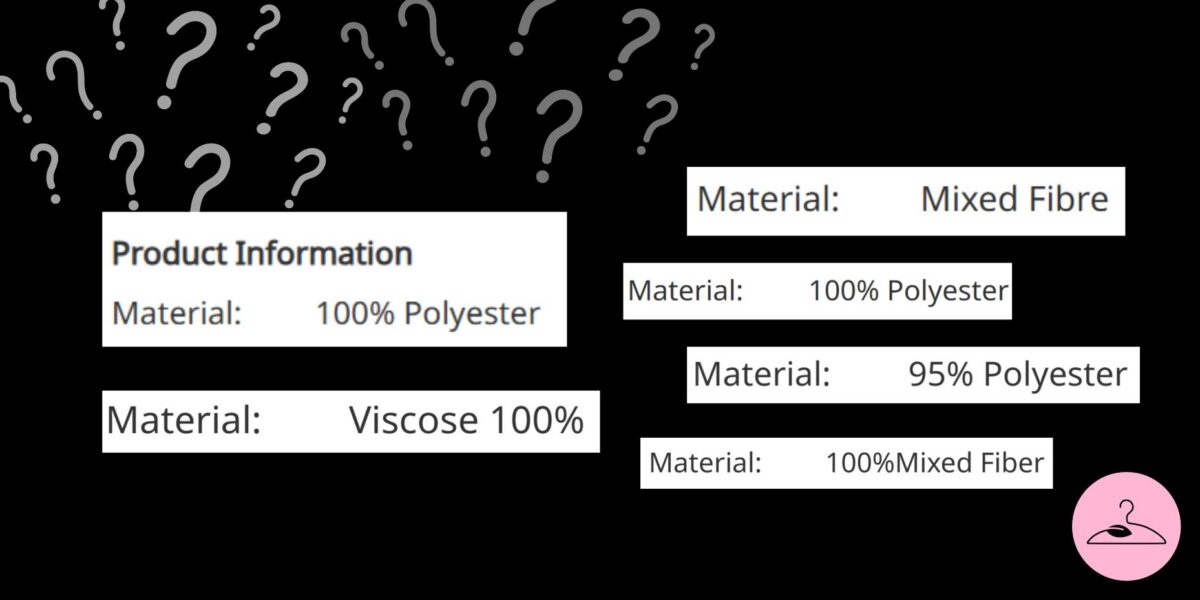
Browsing through the fashion segment, you may notice that the majority of YesStyle’s products feature a list of synthetic fabrics like polyester, acrylic, and nylon. However, the marketplace doesn’t necessarily disclose the exact fabric compositions of its products, labeling certain products as “100% mixed fabrics.” This is extremely problematic since the use of synthetic fabrics leads to a myriad of environmental issues, such as pollution, the destruction of wildlife, or the spread of microplastics in nature.
The CO2 emissions caused by synthetic fabric production are high, as they are made of fossil fuels like crude oil. Hence, YesStyle’s wide selection of clothing and accessories that are made with synthetics – be it polyester handbags or acrylic cardigans – represent the building blocks of fast fashion.
Trend-Chasing Through Celebrity Culture
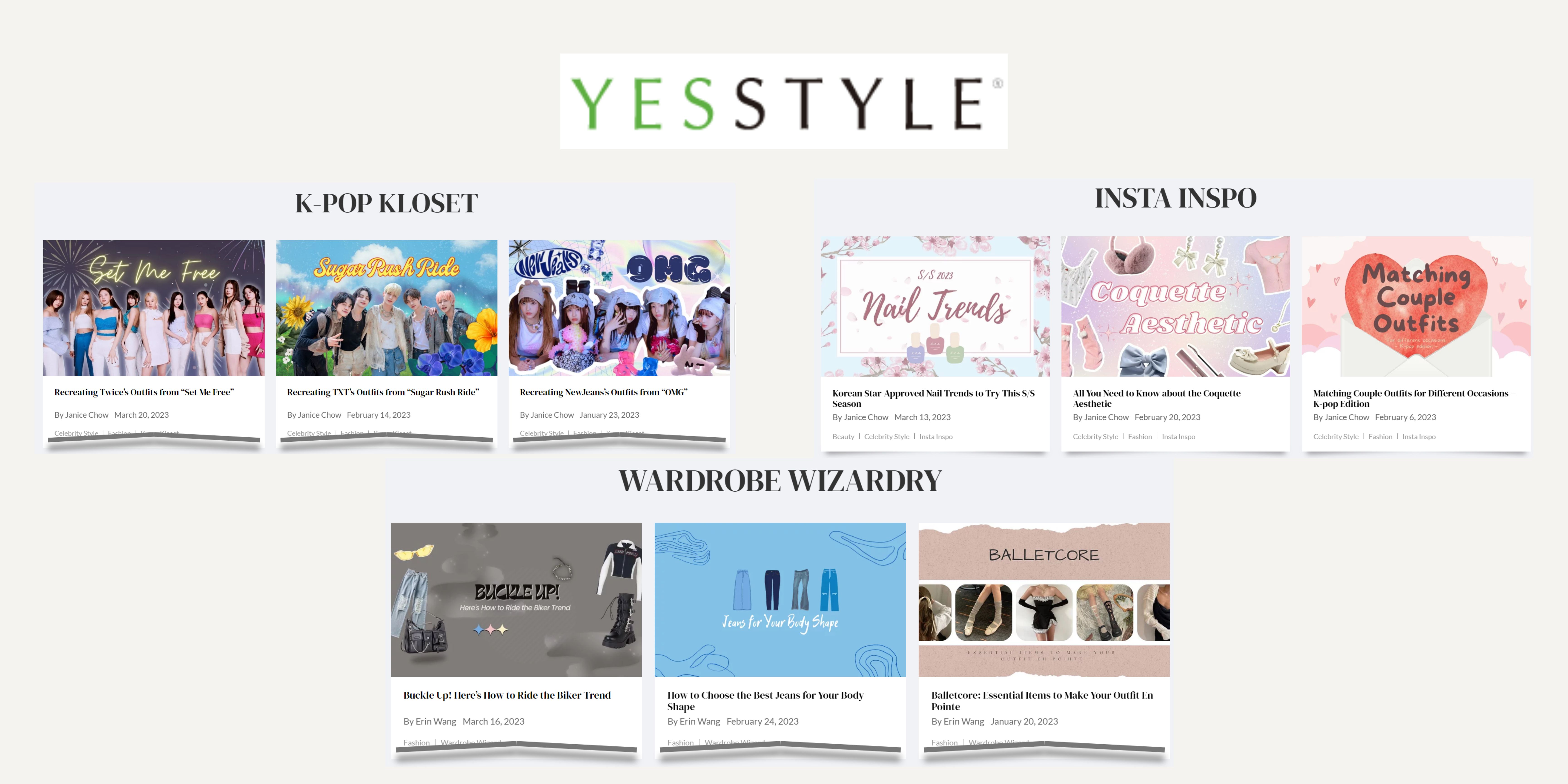
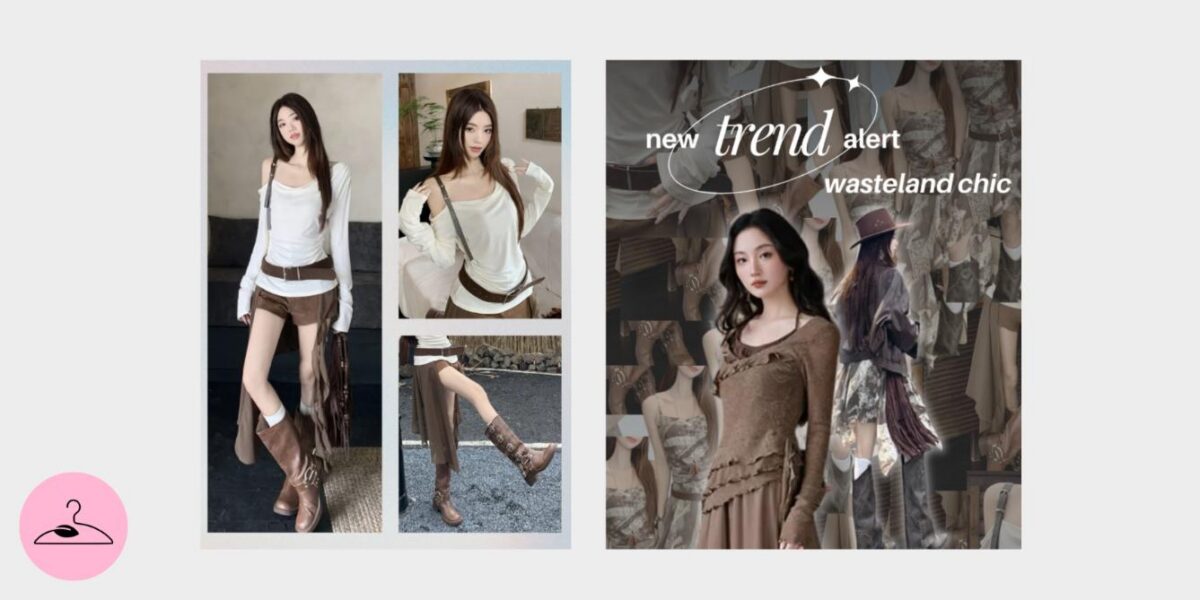
YesStyle’s approach to celebrity fashion, particularly through K-pop, perfectly demonstrates the lightning-fast nature of modern fast fashion. Think about it: a celebrity wears something today, and within days, YesStyle has similar items ready to sell. The brand moves at breakneck speed across K-pop, Netflix shows like “THE INFLUENCER,” and K-dramas like “QUEEN OF TEARS.” This multi-channel approach maximizes their ability to capture and monetize trends the moment they appear.
Ultimately, YesStyle’s rapid-response operational model, gives customers exactly what fast fashion is engineered to deliver: immediacy, novelty, and the thrill of belonging to the moment. It lets users emulate celebrity culture in real time, turning entertainment into inspiration, inspiration into product, and product into yet another impulse purchase.
Why YesStyle’s Mid-Range Prices Fuel Fast Fashion
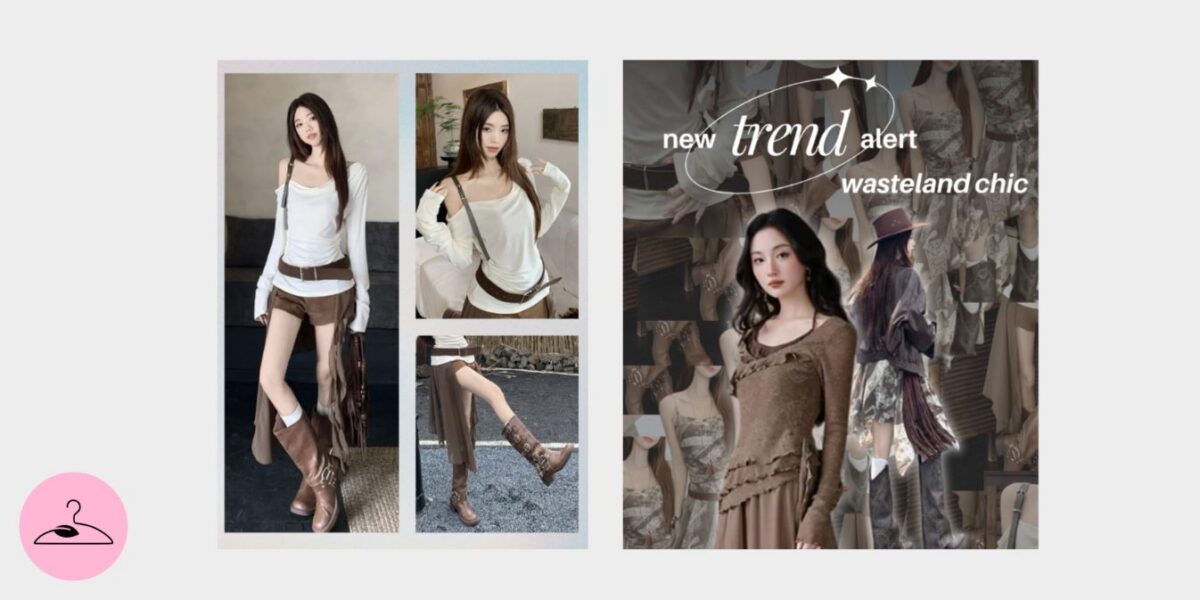
YesStyle has found its sweet spot in fast fashion with prices that sit comfortably between ultra-cheap retailers and premium brands. Most items fall in the $15-60 range, making trendy pieces accessible without feeling too cheap.
The brand’s pricing structure breaks down into clear tiers:
- Basic Pieces ($15-25): Simple dresses, tops, and lightweight garments dominate this range. You’ll find items like a sleeveless corset dress for $22 or a long-sleeve top for $15 – perfect for building a basic wardrobe without breaking the bank
- Mid-Range Items ($35-40): This category includes more structured pieces like pants and detailed garments. For example, fleece-lined wide-leg pants go for around $36
- Statement Pieces ($40-60): More elaborate designs and outerwear sit at this higher end, targeting shoppers looking for something special but still affordable
- Accessories (Starting at $5): Small items like jewelry and beauty tools start low, making them perfect impulse buys during checkout.
Cheap Enough to Buy, “Nice Enough” to Justify
What makes YesStyle particularly intriguing is their strategic positioning – they’ve deliberately placed themselves above rock-bottom fast fashion prices while maintaining accessibility. This sweet spot allows them to capture consumers who might hesitate about ultra-cheap fashion but still want trend-driven pieces at reasonable prices.
Regular sales cycles and a points-based loyalty system further reinforce this positioning, as they sustain customer engagement and trigger repeat purchases. It’s a tried-and-true approach to fast fashion: keep prices low enough for impulse buys, but high enough to suggest better quality than the cheapest alternatives.
Exploring YesStyle’s Product Selection
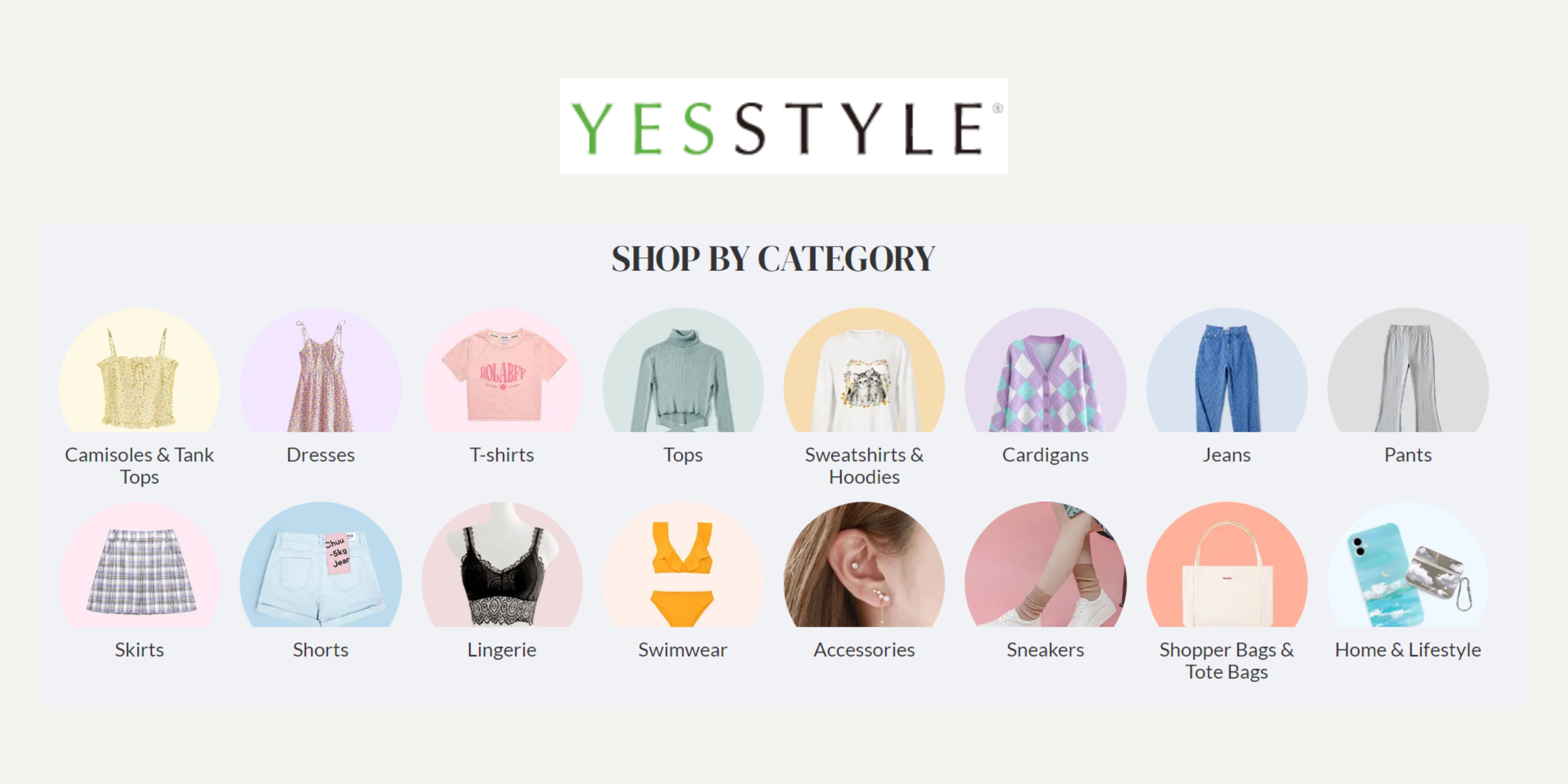
YesStyle’s product selection is vast, featuring fashionable apparel for men, women, and children, along with an assortment of accessories and beauty products. The store’s products are sourced primarily from East Asia, with a significant portion coming from countries like South Korea, Taiwan, and Japan.
Notably, YesStyle offers apparel from Shibuya 109, a famous Japanese department store, and K-pop-inspired clothing that reflects the latest street styles seen on global pop icons.
Be it casual styles, modern office wear, accessories, or beauty products, one of the key elements that sets YesStyle apart is its curation of products by in-house stylists. The brand draws inspiration from celebrity style, TikTok trends, and street fashion, which keeps their offerings constantly updated as per the latest trends.
Product Segmentation by Category
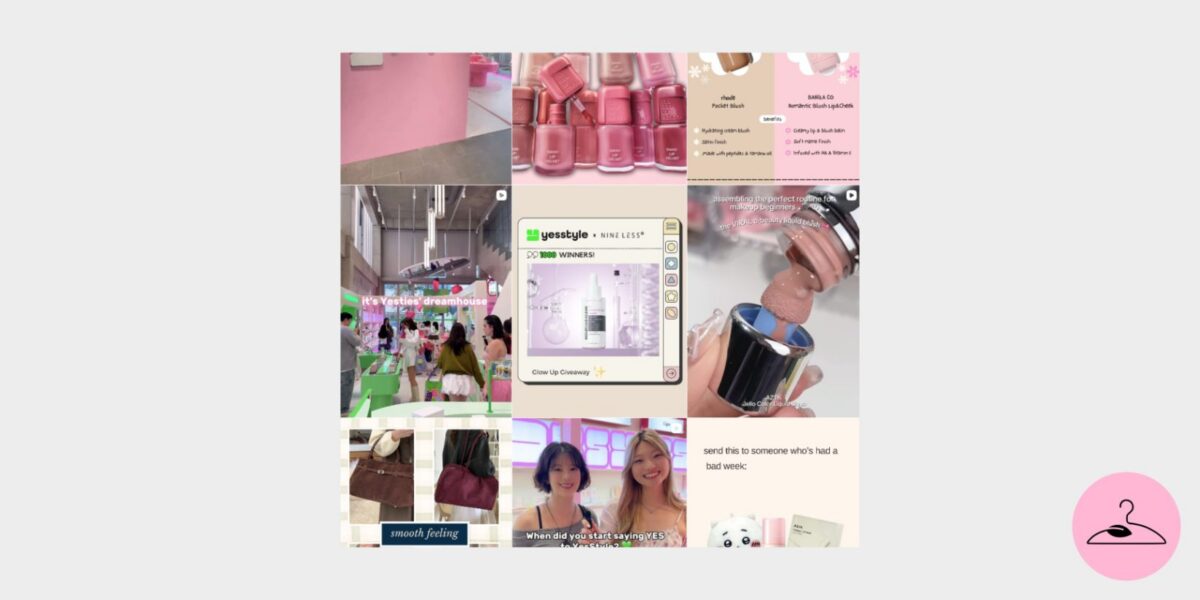
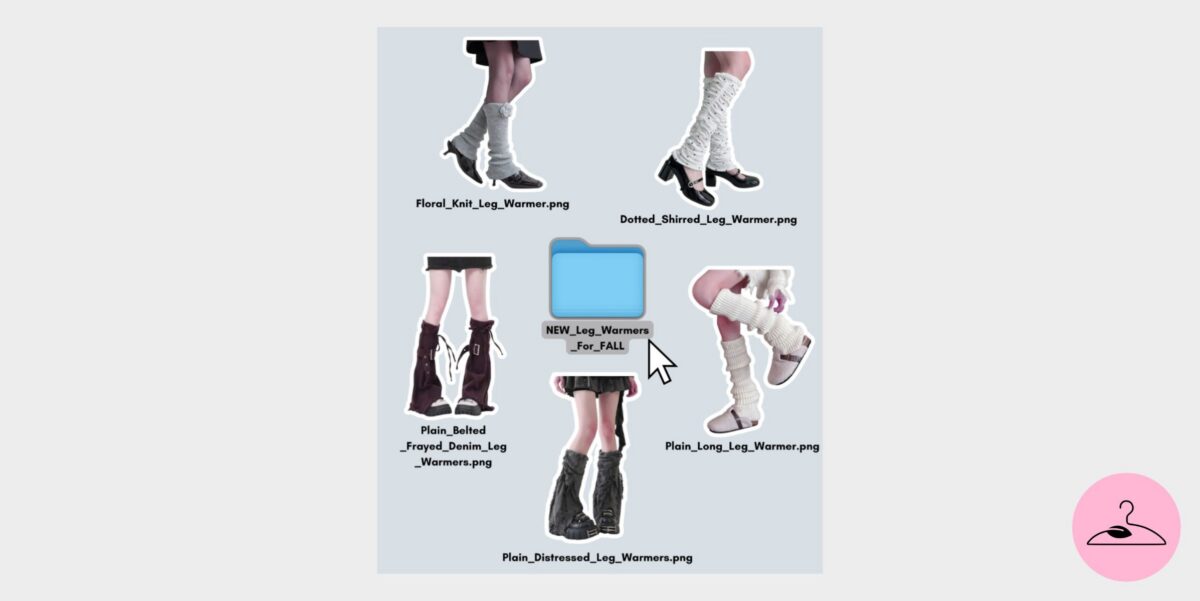
When you visit YesStyle’s official website, you will be greeted by sections like “celebrity style”, “wardrobe wizardry, and “trendspotting”, featuring TikTok, celebrity street style, or general fashion inspiration for their products.
This level of product segmentation aligns with the brand’s content-to-commerce pipeline. Every article on YesStyle about aespa, LE SSERAFIM, or K-drama fashion goes beyond content or fashion inspiration, becoming a curated sales funnel that capitalizes on cultural moments. This, in turn, reflects the deeper consumer psychology that fuels fast-fashion, where trends and micro-influences push shoppers toward frequent, impulse-buying.
Is YesStyle Dropshipping?
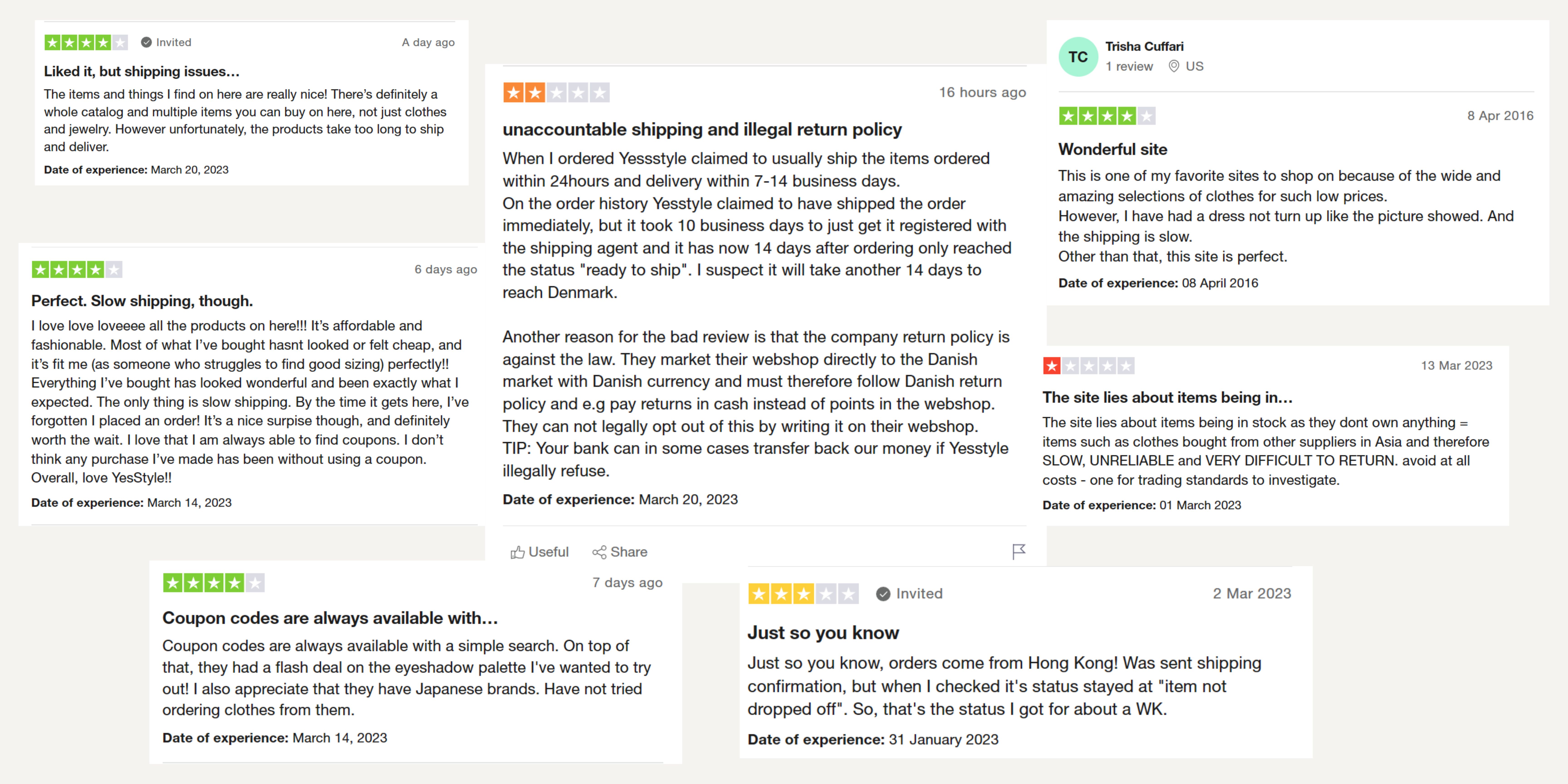
Consumers raise concerns about YesStyle’s business model, speculating that the marketplace uses dropshipping. For instance, a consumer on TrustPilot claims that the marketplace does not “own anything” and purchases its products from other suppliers – due to this, the delivery is “slow, unreliable, and very difficult to return.”
While YesStyle operates as a direct-to-consumer store, it does dropship certain items. This means that while the retailer keeps its products as stock, it also ships out products directly from the manufacturers.
On its customer service FAQ section, YesStyle clarifies that it directly sources many of its K-beauty products from South Korea, and that items labeled “Made in Korea” are manufactured there. However, other items without this label may be sourced from South Korea but produced in different countries, adding further complexity to the brand’s supply chain transparency.
Is YesStyle Fast Fashion According to Its Customers?
Some customers suspect that YesStyle relies on dropshipping, especially after experiencing long shipping times or complicated returns. For example, one Trustpilot reviewer noted that YesStyle “doesn’t own anything” and sources items from outside suppliers, leading to delays.
In reality, YesStyle uses a hybrid model. The company holds inventory for many products but also fulfils certain items directly from manufacturers, which can create varied shipping times and inconsistent return processes.
YesStyle’s FAQ states that it sources many K-beauty items directly from South Korea, and products labeled “Made in Korea” are indeed manufactured there. However, items without that label may be designed or sourced in Korea but produced elsewhere, highlighting the brand’s limited supply chain transparency.
Promotional Offers: Saying “Yes” to Up-To-The-Minute Styles?
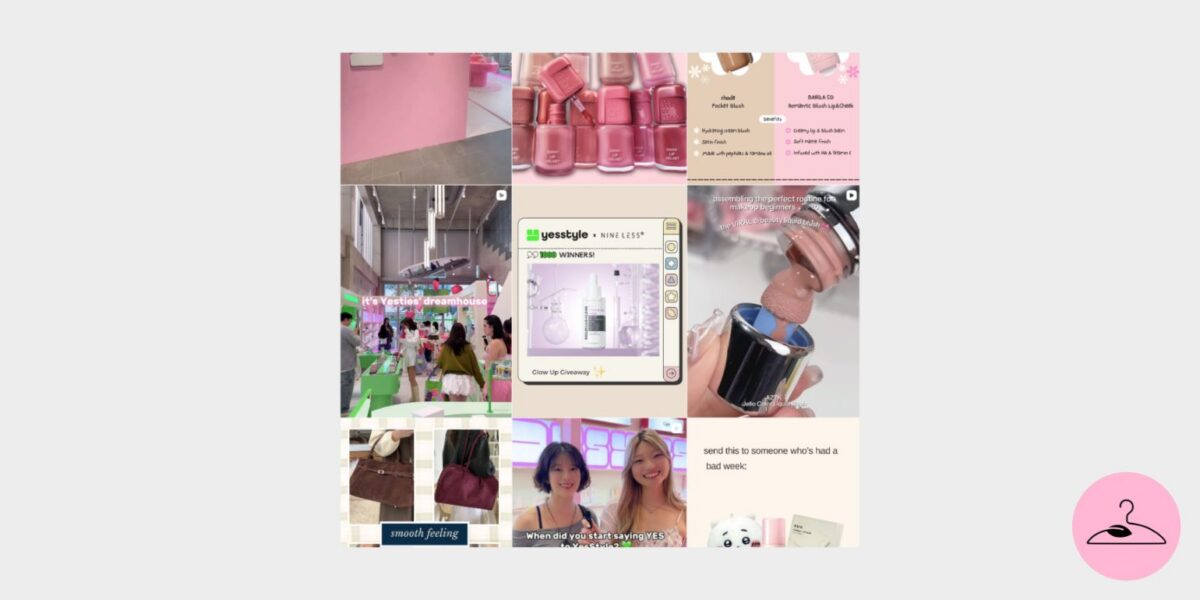
YesStyle fires up the instant gratification appetites of its consumer segment. With coupon codes and flash sales, it attracts Millennial or Gen Z consumers who prioritize excess over quality, which is the antithesis of sustainability.
In fact, the mission of the K-Fashion collection is to “make the dream of being 25 years old forever a reality for all woman that is the most radiant and beautiful”, as noted by the featured K-Fashioned designer, Chuu.
Moreover, as mentioned by the company, YesStyle strives to “bring the latest trends”, along with Asian brand names, to the global market. Such emphasis on trends lies at the core of fast fashion – just like fast food, the brand’s poor quality yet low prices are truly addictive.
YesStyle’s Shipping Policies
The marketplace offers premium standard shipping when customers spend at least $50 on a single order. However, many customers complain about the speed of delivery, which takes more than the “21 days” – the promise that the company often fails to deliver. Regardless, the marketplace’s pursuit of fast shipping replicates the fast fashion business model.
While reputable luxury brands produce items on a made-to-order basis, YesStyle strives to distribute its products from one side of the planet to another in mere “21 days” (or “7 days”, in case the products are in stock!). Be it next day shipping or rushed delivery, fast fashion purchases harm the environment with high carbon emissions. As the packages travel by air, YesStyle encourages carbon-intensive, expedited shipping practices, which not only increases packaging waste but also creates a notorious amount of pollution.
History of YesStyle.com
Launched in 2006, YesStyle has grown rapidly to become a significant player in global online retail. Owned by YesAsia.com Ltd, a multinational company headquartered in Hong Kong, YesStyle focuses heavily on the American, Canadian, and Australian markets, where it generates the largest portion of its sales.
The company offers an extensive range of Asian beauty products and fashion apparel that taps into the Korean Wave (Hallyu) and K-pop culture, providing Western consumers access to trendy products from East Asia. With 8.5 million monthly visitors, it ranks right behind other popular e-commerce sites such as PrettyLittleThing and NYandCompany, highlighting its strong digital presence.
Final Thoughts
Say “yes” to style but “no” to sustainability? Unfortunately, that’s the trade-off with YesStyle. While the platform excels at trendy, affordable fashion, its lack of transparency around supply chains, labor conditions, and environmental practices places it firmly in fast-fashion territory. The brand’s reliance on synthetic fabrics, rapid product turnover, and opaque sourcing makes it difficult for consumers to assess its true impact, leaving sustainability concerns unanswered.

Frequently Asked Questions
No, YesStyle does not prioritize sustainability. While the company offers affordable fashion, many of its products are made from synthetic materials like polyester, which are harmful to the environment. The brand also lacks transparency regarding its supply chain and sustainability initiatives.
Many customers report mixed experiences with YesStyle’s clothing quality. While some K-beauty products are well-received, fashion items often suffer from low quality, especially in terms of fabric durability and stitching. Customers often complain about inconsistent sizing and finishing.
YesStyle has received customer complaints about its slow shipping times, which often exceed their promised delivery window of 21 days. This can be attributed to dropshipping practices, where products are shipped directly from manufacturers, sometimes resulting in delays and unreliable delivery times.
No, YesStyle is not transparent about its supply chain, and this lack of openness raises concerns. They don’t provide details on the labor conditions or environmental impact of their production processes. The absence of sustainability reports makes it difficult for consumers to make informed choices.
YesStyle does not disclose enough information to confirm whether child labor is used in its supply chain, however, it is likely that it is. The brand provides no transparent reporting on factory audits, labor standards, or supplier oversight, making it impossible for consumers to verify the conditions under which its products are made.