

How Often Should I Buy New Clothes? Experts Explain
July 22, 2023
Is Polyester Good for Underwear? Why You Should Avoid It
December 8, 2023
Shein is a well-known name in the fast fashion space, whereas Cider is a newbie brand. At a glance, both brands seem to sell dirt cheap yet stylish designs, with similar ‘viral’ designs and trends. However, is Cider as bad as Shein when it comes to sustainability? We’re here to provide the answers, exploring the pricing, ethicality concerns, and underlying principles behind both brands.
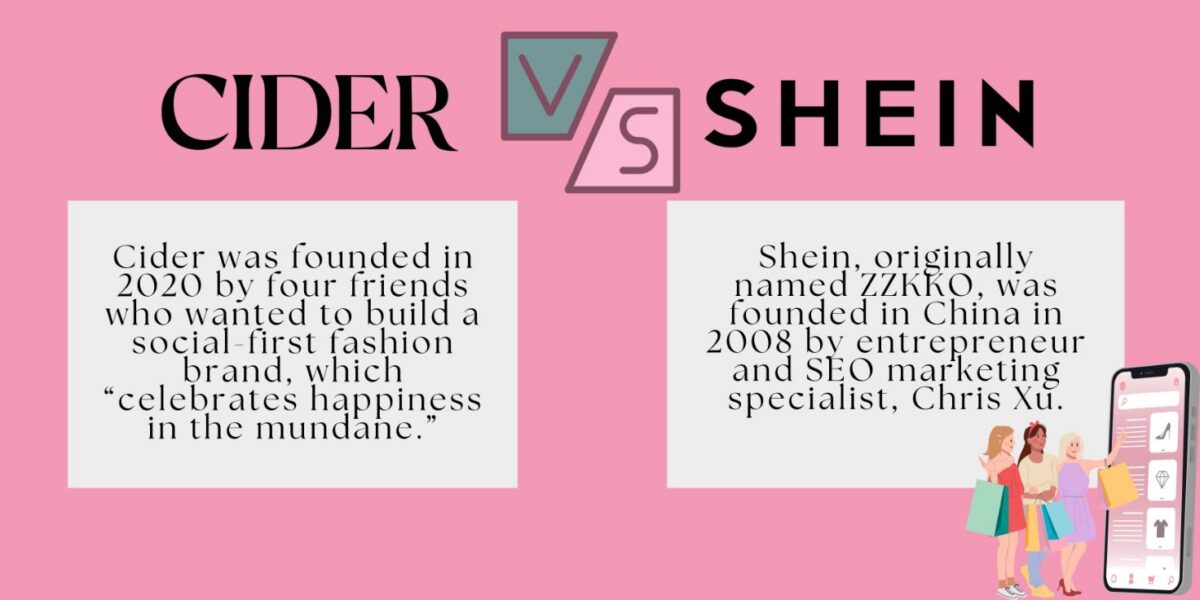
Is Cider As Bad as Shein?
Despite their greenwashing schemes, both Cider and Shein are considered ultra-fast fashion brands. They operate upon fast-paced production and consumption cycles, adopting the so-called ‘smart fashion’ system, where they swiftly manufacture exactly what consumers desire – with no regard towards the environment or workers’ rights.
| Aspect | Shein | Cider | Our Takeaway |
|---|---|---|---|
| Pricing & Quality | Extremely low prices; quality varies widely | Slightly higher pricing; similar quality control | Both invite overbuying. Use a cost-per-wear mindset instead of chasing deals. |
| Design Turnover | Daily new drops, microtrends | Weekly updates, pastel-heavy styles | Rapid refreshes reduce outfit repeatability—stick to versatile neutrals for balance. |
| Marketing Style | Heavy influencer hauls and app gamification | “Shop by mood” and influencer try-ons | Both drive impulse buying. Add a 48-hour pause before checkout. |
| Transparency & Ethics | Limited supplier data | Similar sourcing; public claims but unclear backing | Assume limited oversight; buy fewer, longer-lasting pieces instead. |
What is Cider? Following Shein’s Footsteps
Regarded as a “Shein wannabe”, Cider employs influencer marketing to push their products onto the mainstream consumer. The brand’s social media presence on TikTok and Instagram, amassing 850k and 4.9 million followers, respectively, features nano- and macro-influencers trying on their products.
Flaunting the hashtag #cidergang, influencers post try-ons that double as user-generated ads. This strategy fuels the brand’s reach and trust factor, making Cider feel like a peer-to-peer discovery rather than a corporate campaign.
Expert Take: This kind of influencer-driven visibility blurs the line between genuine style inspiration and marketing. If you like exploring new looks through social media, save outfits to a mood board first, then shop your closet before copying a haul.
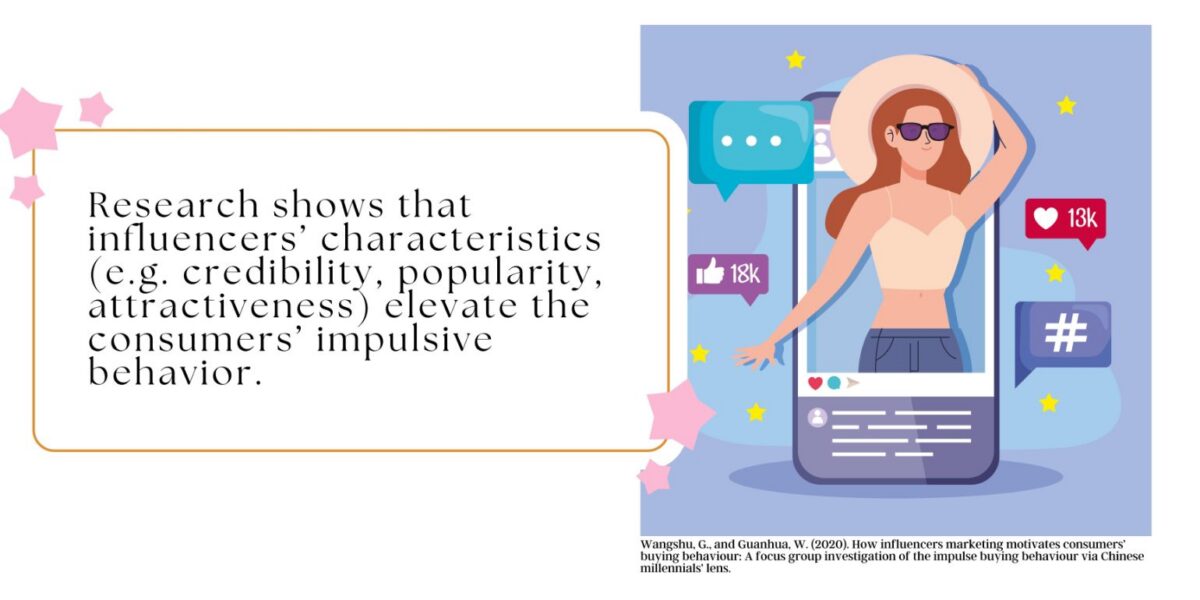
How Shein & Cider Use Influencer Marketing
Both Shein and Cider rely heavily on influencer visibility to keep their styles circulating. Haul videos and OOTD posts create what looks like organic buzz, but the goal is simple: normalize high-volume buying and short wear cycles.
Shein’s early global expansion leaned on thousands of influencer partnerships, while Cider quickly followed — earning the nickname “TikTok’s favorite brand” for its pastel-heavy looks and microtrend drops. On both brands’ sites, celebrity and creator “Hall of Fame” sections showcase recognizable faces such as Avani Gregg and Lisa from Blackpink, framing the clothes as lifestyle statements rather than just apparel.
PRO Tip: Influencer marketing works because it feels personal. Before adding a “viral” item to cart, pause and ask: Would I still want this if no one saw it online? Save looks you love, but rebuild them using items that fit your palette and shape — your closet wins when you edit, not emulate.

Manufacturing Sites Located in Guangzhou, China
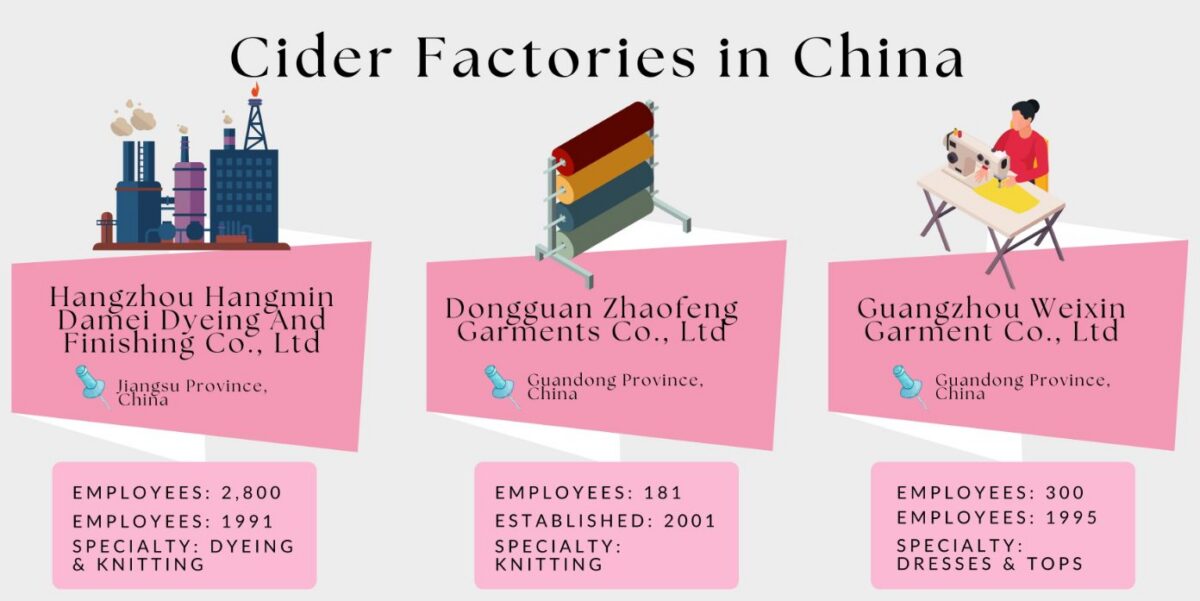
Did you know that Cider and Shein source from the same province in China? Yes, they both manufacture their products in Guangzhou, a major textile hub that produces vast volumes of fast fashion. Publicly available reports connect both brands to this region’s manufacturing network, though detailed factory data, worker pay, and audit outcomes are not fully disclosed.
Guangzhou Factories Were Involved in Public Scandals
Let’s remember a recent scandal, where Shein sponsored influencers to visit their manufacturing sites in Guangzhou. By this, the brand attempted to recover its reputation as a perpetrator of modern slavery. However, these damage control efforts ultimately backfired, as many influencers halted their partnerships with Shein and boycotted the brand.
External investigations, conducted by Intertek and TUVR, determined that Shein workers were “working 12.5- to 13.5-hour-long” shifts. The brand’s factories continuously violated local labor laws. In fact, in its documentary, “Untold: Inside the Shein Machine”, Channel 4 exposed Guangzhou factories for keeping their workers’ pay on hold. Cider sources products from Guangzhou factories and potentially partakes in modern slavery in a similar fashion, despite its claims not to.

Cider Greenwashes Around Its Manufacturing Sites
On its official website, Cider boasts of ethical certifications, such as BSCI, SMETA, and SEDEX, obtained by its factories in China. The brand claims that its suppliers follow humane manufacturing standards. For instance, it states that one of the suppliers, Guangzhou Weixin Garment, uses “an anonymous feedback system” to receive honest feedback from workers and encourage transparency.
This, however, is difficult to verify, as Cider refuses to disclose information on working conditions and wages of its manufacturers, which undermines its transparency.
Besides, when delving deep into the certifications, we learn that SMETA is neither an auditor nor is governed by lawyers. Its only role is “interpreting legal norms around modern slavery”, as well as boosting the application of supply chain laws.
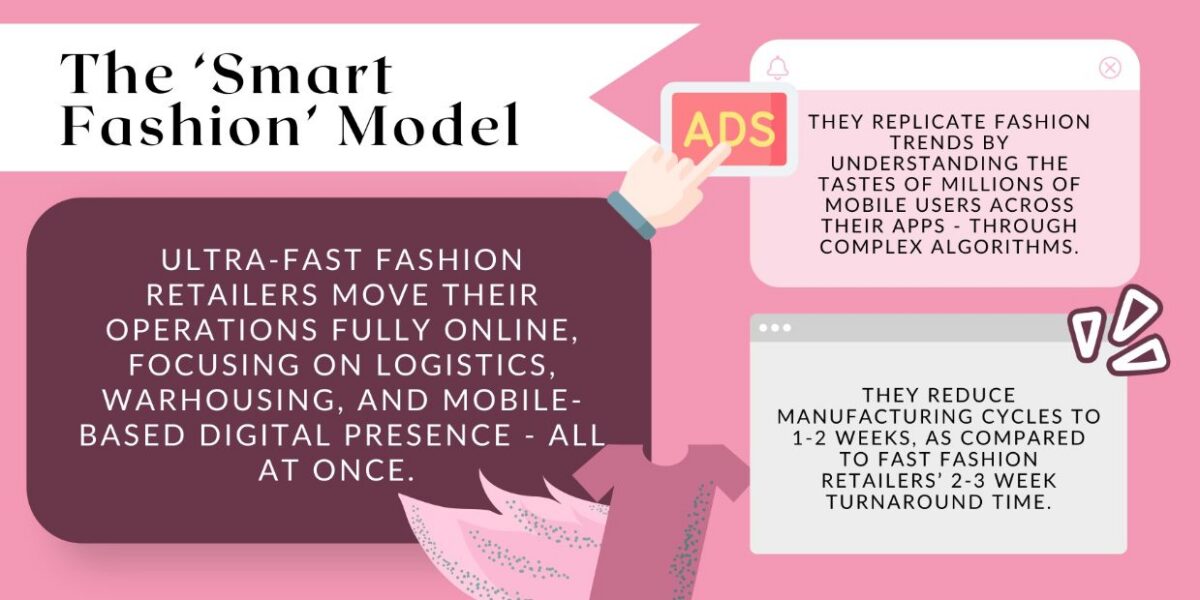
The Smart Fashion Model: Streamlining Production
Fast fashion brands, such as BloomChic, claim to employ a smart fashion system, in which they predict inventory accurately and prevent overstock. This real-time production method helps the brand assess what the customers want, rolling out products accordingly. The idea sounds good: make only what shoppers want and avoid waste. In theory, that could mean less overstock. In practice, it mostly means brands use real-time data to speed up production, not slow it down.
Cider and Shein both rely on this model. They track what’s trending on social media and add new pieces to their sites every week — sometimes daily. By skipping traditional wholesalers and shipping directly from factories, they cut lead times and keep prices low.
The result isn’t a smarter system for the planet, but a faster one for profits. Thousands of new styles appear every month, pushing shoppers toward constant browsing and impulse buying.
Shein And Cider: The Use of Gamification
Many things drive consumption: be it personal motivations, novelty-seeking, or life needs. However, fast fashion is notorious for triggering consumerism via never-ending collections, aggressive advertisements, and most importantly, gamification of consumption.
Cider, for example, offers a “Share & Earn” event, where you urge your friends to download the Cider app and generate store credits. When you make a purchase on the Cider website, every dollar you spend equates to 10 points accumulated. You also collect points by writing reviews, including images in them, entering your measurements, and completing your user profile.
Shein takes this a step further. Its app encourages daily check-ins, outfit contests, and review bonuses — 50 points if your photo gets featured. The system rewards constant engagement and exposure to new arrivals, which quietly fuels more impulse buys. When users check in daily into the Shein app, they earn additional points. Besides, the brand runs the so-called “outfit contests”, where the top 12 participants collect rewards in the app, transforming regular shoppers into brand ambassadors.

Is Cider Democratizing Fashion With Cheap Clothing?
In the sustainability section of its website, Cider claims to “create affordable, everyday statement pieces” with an emphasis on sustainability. This sounds quite far-fetched, considering that it is the fashion democratization that bombarded us with textile waste. The utopian vision to mass-produce clothing for globalized consumption never works in the real world. Rather, it has a detrimental effect on the environment.
The “Happy Hour” Mentality
Yet, Cider appeals to the idea that anyone, regardless of their income, can purchase garments for under $20, which is not only misleading but also harmful for the way we consume clothing. The brand overproduces under the pretext of democracy, stating that “sustainable fashion should be accessible, not exclusive.”
However, Cider doesn’t have the best interests of their consumers at heart. Clothes should not be perceived as disposable. What’s more, they should not be produced at the expense of nature and society.
Cider’s own tagline, “your closet’s happy hour,” reinforces a cycle of impulsive buying. It frames shopping as recreation, not necessity, and positions fashion as a temporary thrill rather than a long-term expression of style. In doing so, the brand weakens the meaning of fashion itself, replacing individuality and conscious choice with a momentary rush of novelty.
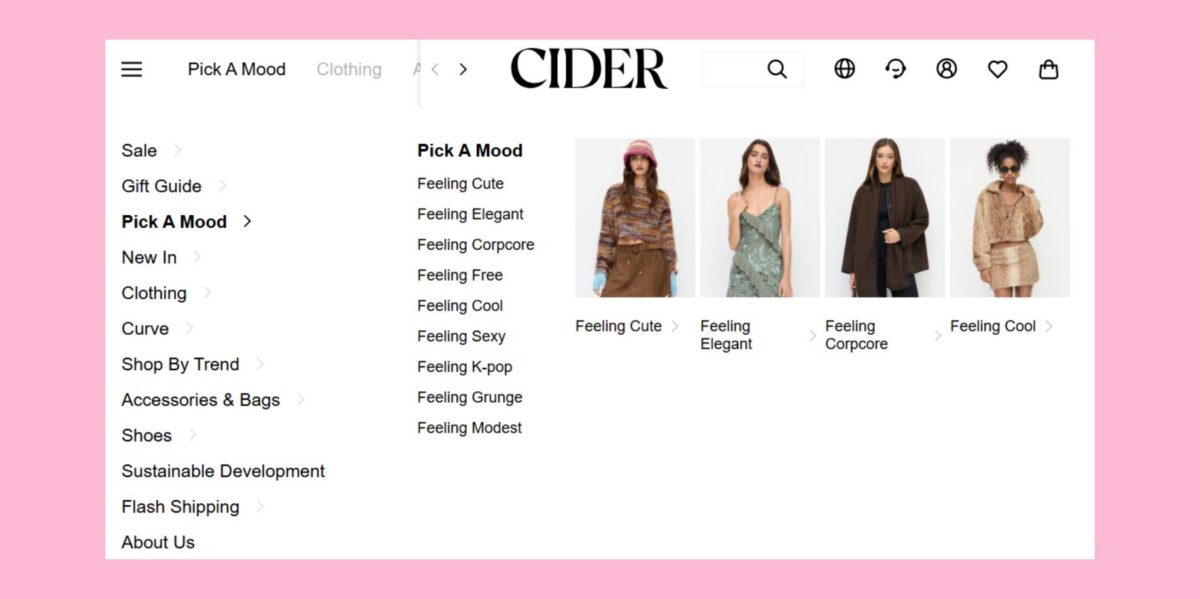
Cider’s Shop by Mood Category
Cider invites shoppers to choose clothing by mood rather than need. Categories like “unbothered,” “grunge,” “nostalgic,” or “free” sound playful, but they encourage impulse-driven browsing instead of intentional selection. The experience may feel personalized and creative, but it quietly shifts the focus from wardrobe planning to momentary desire.
This strategy isn’t unique to Cider. Shein’s app, for instance, also tailors product recommendations based on a shopper’s saved preferences and past activity. Both use data to make each visit feel “made for you,” which deepens engagement and keeps carts full.
Overall, personalization makes consumers feel heard, as it resonates with their demographics, style preferences, and behaviors. However, it presents fashion a tool for novelty-seeking and even self-soothing, where people buy clothes not because they need them, but rather based on their mood – be it positive or negative.
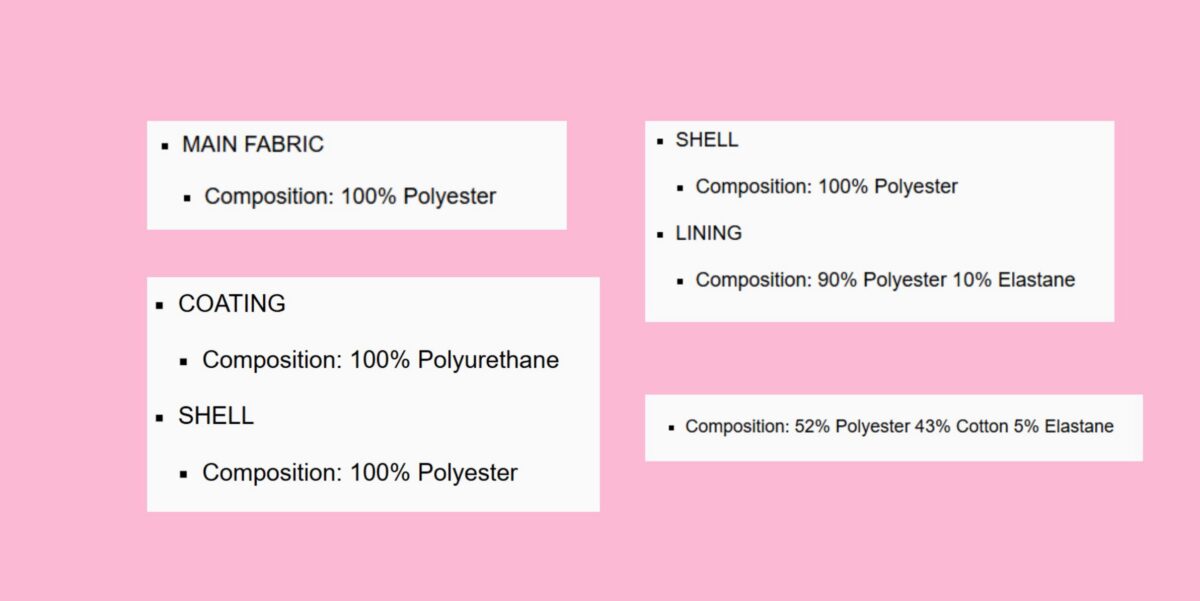
Both Shein And Cider Feature Poor Fabrics
Like Shein, Cider relies on low-cost synthetics such as polyester and acrylic to keep prices low and colors bright. These fibers are inexpensive to produce but come with drawbacks: they shed microplastics in the wash, trap odor, and often arrive with chemical residues from dyes or finishing treatments. The strong “factory” scent many shoppers notice is a sign of these leftover agents.
Because neither brand discloses full details about their fabric finishing processes, it’s unclear what types of dyes, coatings, or softeners they use. As a result, many consumers turn to simple home methods to minimize exposure to potential irritants. To remove harmful chemicals from Shein clothes, they soak garments in a cold-water and white-vinegar solution before washing. This process can help neutralize odors and wash away finishing residues, making synthetic items more comfortable and safer to wear.
Our Verdict: Cider is Just as Bad as Shein
In conclusion, Cider is as bad as Shein. This is evident in the brand’s lack of transparency around its ethical labor practices, pervasive influencer marketing, as well as gamification strategies that cultivate unhealthy shopping habits.
Overall, Shein and Cider not only exacerbate the textile waste problem, modern slavery, and pollution but also mold clothing as a temporary relief from boredom. They sell to us the thrill of excitement, as young people – the primary audience of brands like Cider and Shein – feel the pressure to keep up with microtrends on TikTok at all times.

Frequently Asked Questions
Both brands manufacture largely in China’s Guangzhou region. Public details about worker conditions or wages remain limited, and verified third-party audits are scarce. Until clearer data appears, it’s safest to assume minimal transparency and focus on reducing personal consumption volume.
Cider references supplier audits such as BSCI and SMETA, while Shein publishes limited factory statements. However, neither provides full audit results or wage data, making comparisons unreliable. Certifications alone don’t guarantee ethical production; long wear and mindful buying are more dependable sustainability measures.
Both promote “sustainability” through selective language—Cider with claims of accessibility, Shein with partial transparency campaigns. These narratives emphasize affordability and inclusivity without addressing production scale or waste. Greenwashing often appears when eco-terms mask business models built on rapid turnover.
Despite marketing around “smart fashion” and on-demand production, Cider and Shein still operate at mass-production speed. Data tracking helps predict trends quickly, but it mainly reduces unsold inventory, not environmental impact. New styles appear weekly or daily, sustaining the ultra-fast fashion cycle.
Online reviews show mixed feedback for both. Some praise trendy design and fit; others cite thin fabrics and inconsistent sizing. Overall, durability concerns appear common across both brands. Focusing on fabric quality, stitching, and long-term comfort remains a better indicator of value.
Sources
- Intertek and TUVR. “Shein Labor Audit Findings.” Intertek, 2024.
- “Untold: Inside the Shein Machine.” Channel 4, 2024
- “SMETA Compliance.” SMETA Compliance, 30 Apr. 2024, smetacompliance.com/bsci-certification/
- “Shein Reveals Child Labor Cases at Its Suppliers.” CNN Business, 23 Aug. 2024





2 Comments
[…] is similar to Cider’s strategy of “shopping by mood”, where the brand encourages shopping by impulses, rather than necessity. This strategy shows […]
[…] illustrate, Cider offers a ‘pick a mood’ option on its website, where users can choose clothes that fit into their public digital identity. They can […]