
What Color Season is Blake Lively? Experts Chime In
October 28, 2024
Spring vs Summer Color Analysis: Tips & Tricks
November 10, 2024
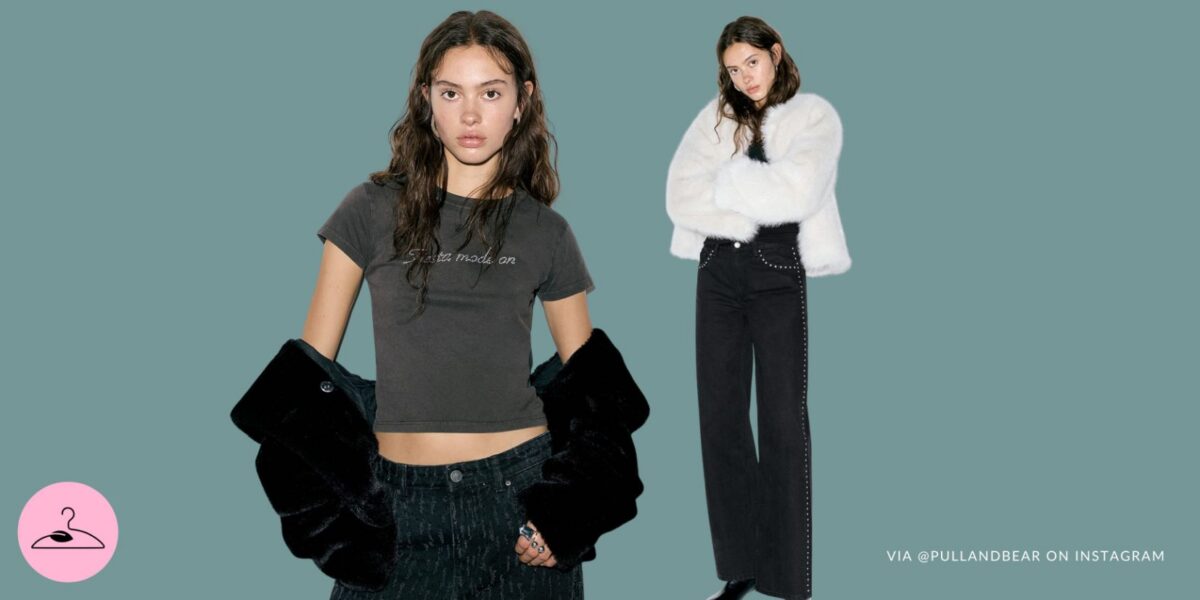
In the vast world of retail fashion, Pull & Bear stands out as an example of rapid-response clothing production. With its trendy designs and wallet-friendly prices, the brand has captured the hearts of young fashion enthusiasts worldwide. But beneath the stylish exterior lies a story of environmental damage, labor violations, and the true cost of staying on-trend.

Is Pull And Bear fast fashion?
Yes, Pull & Bear is considered a fast fashion brand. As part of the Inditex group, it follows a rapid production cycle with frequent new drops aimed at young, trend-focused shoppers. The brand relies heavily on low-cost synthetic materials, prioritizing speed and affordability over durability, transparency, and environmental responsibility.
Pull & Bear vs Other Brands at a Glance
| Brand | Materials & Circularity | Price Point | Transparency | Brand Summary |
|---|---|---|---|---|
| Pull & Bear | Mostly synthetics | $–$$ | Low | Typical fast-fashion under Inditex |
| Mango | Mostly synthetics | $–$$$ | Medium | Fast fashion with increasing sustainable-fabric offerings |
| Uniqlo | Recycling initiatives, basics built to last | $–$$$ | Medium | More durable basics in a fast-fashion price range |
| H&M | Some recycled/organic programs + high volume of synthetics | $–$$ | Medium | Major fast-fashion brand with sustainability efforts |
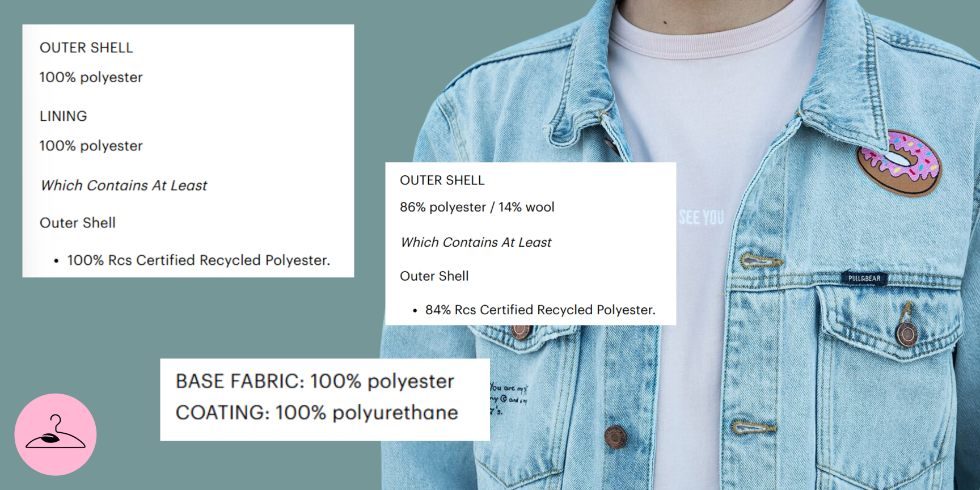
Synthetics Dominate Pull & Bear’s Fabric Portfolio
Synthetic materials form the backbone of Pull & Bear’s fast fashion business model, and their environmental footprint extends far beyond the retail floor. When laundered, Pull & Bear garments release fibrous microplastics (FMPs) into water systems, with a synthetic fabrics list including spandex, nylon, and polyester accounting for approx. 35% of global FMP emissions.
Polyester
As their primary synthetic fiber, Pull & Bear’s heavy use of polyester contributes to the global textile crisis. This petroleum-derived material takes 70-400 years to decompose while continuously releasing harmful chemicals and microplastics into the environment.
Recycled Polyester
While Pull & Bear promotes their seemingly eco-friendly recycled polyester use in collections like “Comfort”, this represents a form of greenwashing. Their recycled polyester:
- Is derived from PET bottles rather than recycled textiles
- Disrupts the bottle industry’s circular economy
- May contain higher levels of harmful chemicals than virgin polyester, including chlorine from bleaching processes, antimony oxide (linked to health risks), and potential BPA contamination, especially in materials sourced from Asia.
Polyamide and Spandex Blends
Pull & Bear also uses blends of polyamide, spandex, and recycled polyester. These mixed textiles are nearly impossible to recycle, as the fibers cannot be separated, meaning they typically end up in landfills or incinerators.
Pull & Bear’s Questionable Sustainability Goals
Pull & Bear frequently promotes the idea of a “circular” or eco-responsible future through its sustainability messaging. At a glance, this branding suggests meaningful environmental progress, but the reality behind these claims is far more complicated.
Clothes Collection Program
Pull & Bear encourages shoppers to drop unwanted clothing into in-store donation bins, stating that these items will be passed on to nonprofits or authorized recyclers. While this appears eco-friendly, the reality of fashion waste is far more troubling.
Research shows that about 84% of donated clothing ends up in landfills or is incinerated. The overwhelming influx of fast fashion garments means charities cannot resell most donations, leading to massive piles of discarded clothing being dumped or burned. This often happens in communities across the Global South, where they contaminate waterways and harm local ecosystems.
Why This Initiative Falls Short
In this context, Pull & Bear’s collection program does little to address the core issue: their clothes are not designed for longevity, repairability, or true recyclability. Without changing how garments are made, a donation bin simply shifts the environmental burden elsewhere.
The Join Life Initiative at Pull And Bear
The parent brand of P&B, Inditex introduced the Join Life label as a way to highlight products that supposedly met “higher environmental standards”. For shoppers, it acted as a quick visual cue that certain garments were more “responsible” than the rest of the collection.
By 2022, Pull & Bear reported that 61% of its clothing carried the Join Life label, signaling a major branding push toward appearing more sustainable. But in March 2023, Inditex unexpectedly discontinued the label, claiming its broader sustainability strategy had become strong enough that a separate designation was no longer necessary. This step confirms what many critics suspected from the start: the label functioned more as a marketing tool than a meaningful sustainability initiative.
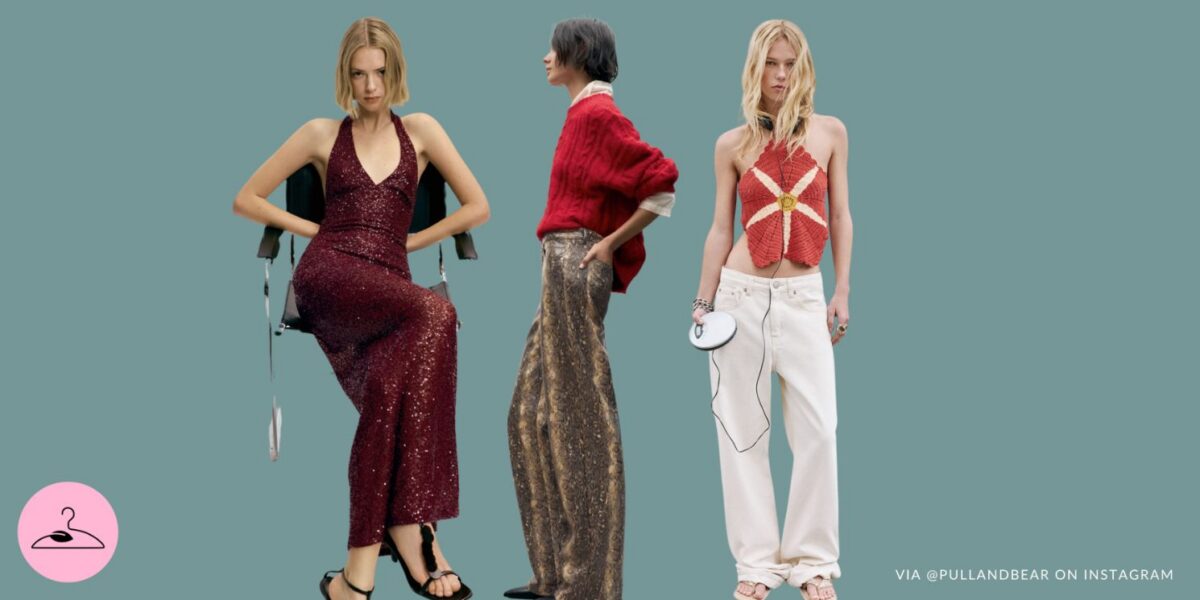
Operating Under Inditex via the Fast Fashion Model
As the world’s largest fast fashion conglomerate, Inditex has built its empire on a business model that prioritizes trend responsiveness over environmental consciousness. The group operates through multiple brands, including its flagship Zara, alongside Bershka, Stradivarius, Massimo Dutti, Oysho, and of course, Pull & Bear, each targeting different market segments while sharing the same fundamental approach to fashion production.
Founded in 1991 as part of Inditex’s strategic expansion, Pull & Bear was conceived to capture the young casual wear market. While it maintains its own distinct identity within the Inditex portfolio, it operates under the same aggressive fast fashion principles that define its parent company’s approach.
How Inditex’s Production Model Works
Inditex’s dominance comes from a highly optimized, vertically integrated system built around:
- Ultra-rapid production cycles (as short as two weeks from design to store)
- Continuous trend monitoring and replication
- Vertically integrated supply chain management
- High-volume, low-cost manufacturing
This system allows Pull & Bear, and every Inditex brand, to bring new clothes to market far faster than traditional retailers. However, the speed and scale that fuel Inditex’s success also generate substantial environmental harm, from overproduction to excessive resource consumption.
Behind The Seams: Pull And Bear’s Unethical Labor Practices
Pull & Bear’s global supply chain mirrors the broader fast fashion playbook, relying on manufacturing hubs where wages are low and worker protections are minimal. Despite implementing COVID-19 safety measures, the brand continues to face criticism for sourcing from countries with well-documented labor exploitation, including Bangladesh, Cambodia, China, India, Pakistan, and Vietnam.
Forced Labor Allegations Involving Inditex
The most serious concerns, however, stem from Pull & Bear’s parent company, Inditex, which has been under intense scrutiny for potential involvement in forced Uyghur labor in China. French prosecutors have launched a major investigation following allegations that Inditex may have profited from supply chains linked to:
- Forced labor
- Human trafficking
- Crimes against humanity
These accusations were brought forward by organizations such as Sherpa and the European Uyghur Institute, who filed formal complaints urging authorities to examine whether Inditex knowingly relied on suppliers connected to Uyghur forced labor programs.
A previous complaint was dismissed on procedural grounds, but human rights groups have continued to pursue legal action, highlighting the seriousness and persistence of the concerns.
What This Means for Pull & Bear
As a subsidiary of Inditex, Pull & Bear is not insulated from these controversies. Any systemic labor abuses within the conglomerate’s supply chain raise direct ethical concerns for all its brands. The ongoing investigation not only casts doubt on Pull & Bear’s supply chain transparency but also underscores the broader human rights issues embedded within the fast fashion industry.
Final Thoughts
As long as Pull & Bear operates under Inditex’s fast fashion paradigm, which prioritizes rapid production and trend replication, meaningful sustainability will remain out of reach. The ongoing investigations into forced labor practices, combined with the brand’s heavy use of synthetic materials and aggressive production cycles, prove that Pull And Bear is indeed a fast fashion brand.

Frequently Asked Questions
Pull & Bear primarily relies on synthetic materials such as polyester, polyamide, and spandex blends. Although the brand promotes recycled polyester, it still sheds microplastics and may contain chemical residues, raising both environmental and consumer health concerns.
No. Despite marketing efforts like the former Join Life label, Pull & Bear is not considered sustainable. Its reliance on synthetic fabrics, trend-driven overproduction, and short garment lifecycles fundamentally conflict with the requirements of genuine environmental responsibility and long-term sustainability.
Inditex discontinued the Join Life label in March 2023, stating that sustainability was becoming integrated across all product lines. However, critics argue the label functioned mainly as a marketing tool rather than a sign of meaningful improvements in environmental or ethical practices.
Pull & Bear releases new clothing every week, following a fast fashion model built on constant product turnover. This rapid design-to-store cycle enables the brand to react quickly to trends but contributes significantly to overproduction, textile waste, and environmental strain.
Pull & Bear offers affordable, trend-focused clothing, but its quality is generally considered average and consistent with fast fashion standards. Garments are often made from synthetic materials and designed for short-term wear, meaning durability, construction, and fabric longevity typically fall below those of higher-quality or sustainable brands.
Pull & Bear is not owned by Zara, but both brands are part of Inditex, the world’s largest fast fashion group. Inditex owns multiple labels, including Zara, Bershka, Stradivarius, Massimo Dutti, and Pull & Bear, which all operate under the same centralized production and supply chain system.