
How to Repair Damaged Silk? A Simple Guide
February 12, 2024
Cool (True) Winter Celebrities: Best Vs Worst Looks, Advice, And More
March 21, 2024
If you’ve been searching for stylish yet eco-friendly brands, you’ve likely come across Reformation. With its minimalist aesthetic and bold “sustainable” claims, the label attracts many conscious consumers. But do not let the marketing fool you. In this guide, we’ll pull back the curtain on Reformation’s troubling practices, answering the question – is Reformation fast fashion or sustainable fashion?

Is Reformation Fast Fashion?
Reformation positions itself as a semi-sustainable brand but often overstates its environmental achievements. While frequent discounts create a fast-fashion-style “buy now” urgency and many garments still rely on viscose and rayon, the Ref Jeans line stands out as a more genuinely sustainable alternative.
| Sustainability Factor | Sustainability Rating | Key Notes |
|---|---|---|
| Materials | Medium–Low | Heavy viscose use; limited recycled fibers; relies on blends. |
| Ref Jeans | High | Lower water use; recycled and regenerative materials. |
| Labor & Ethics | Low | Outsourced production; few certified suppliers. |
| Business & Marketing | Low | Frequent discounts; fast-fashion purchasing cycle. |
❌ Materials at Reformation: Partially Sustainable
In its 2023 sustainability report, Reformation states that 13% of its materials are “non-virgin,” meaning they come from deadstock, recycled, or next-gen fibers. This circular approach reduces waste and allows the brand to repurpose fabrics that might otherwise go unused.
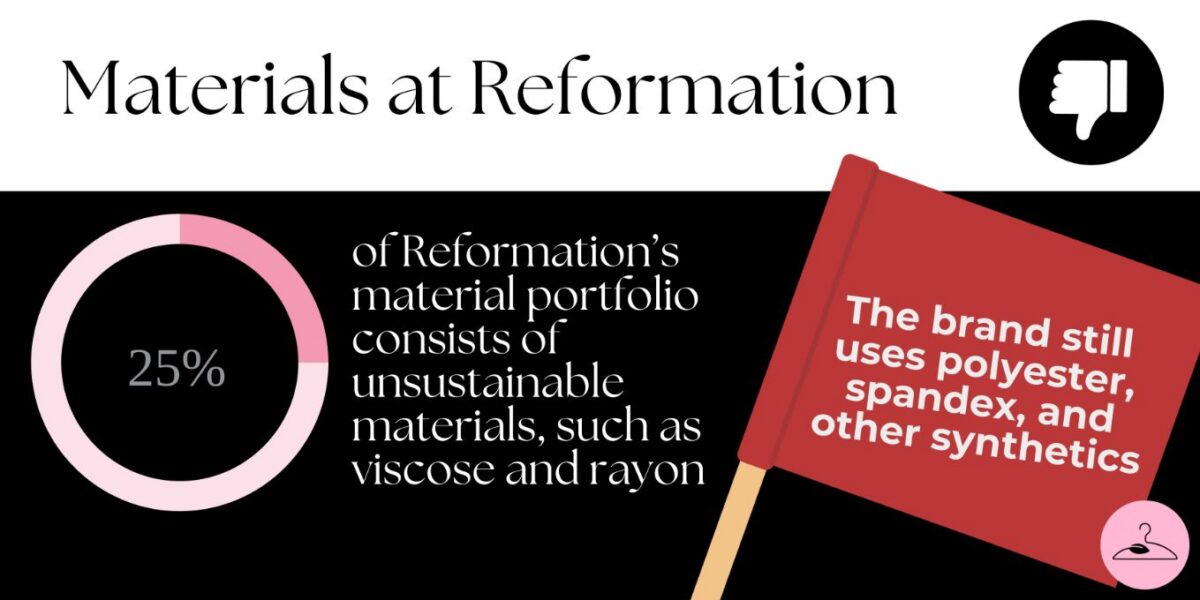
However, the majority of Reformation’s designs still rely on viscose/rayon, a material derived from wood pulp through a chemically intensive process. While viscose is technically semi-natural, the production can generate wastewater pollution and relies on chemicals like carbon disulfide unless processed in a closed-loop system.
“Low-Impact” Materials: Sustainability or Selective Framing?
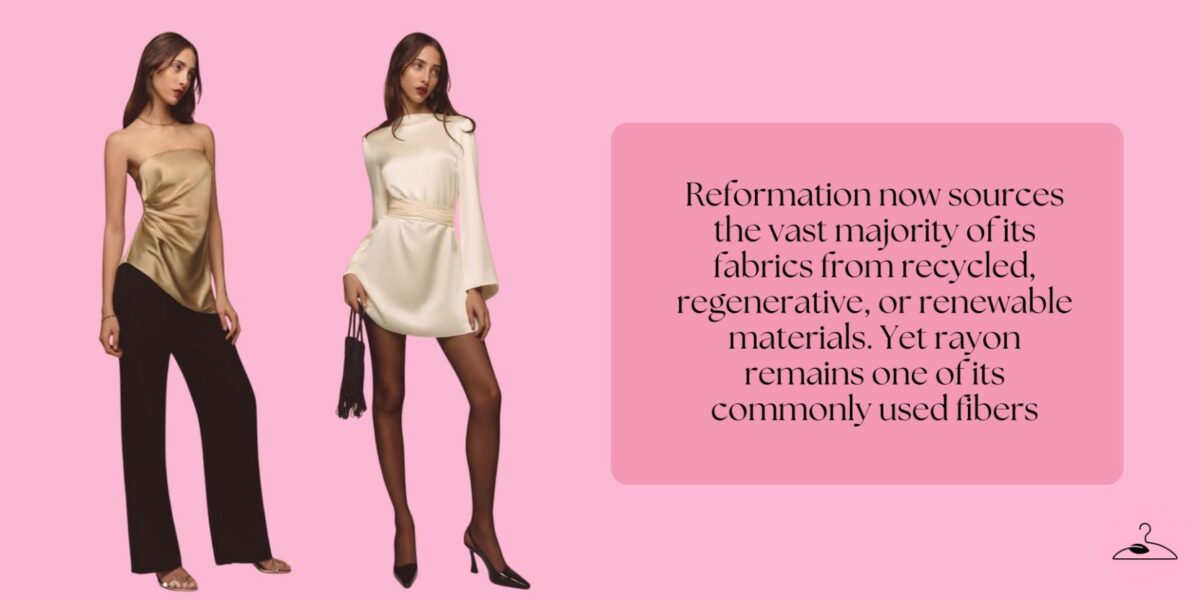
Reformation states that 85% of its materials fall into its “low-impact” category, including organic cotton, linen, silk, recycled cashmere, and Tencel Lyocell. On paper, this places the brand ahead of most fast-fashion retailers. But its material strategy contains contradictions.
Reformation claims to be shifting “away from higher-impact fibers,” listing viscose, leather, silk, and conventional cashmere as materials it aims to reduce. This classification raises questions because:
- Viscose is simply another form of rayon, yet it remains one of the brand’s most commonly used fibers.
- Natural materials like silk and leather are labeled high-impact, even though they are biodegradable and do not contribute to microplastic pollution. For example, vegetable-tanned leather and organic silk have relatively favorable end-of-life profiles compared to many semi-synthetic or petroleum-derived textiles.
Reformation Still Uses Polyester & Other Synthetics
Reformation also incorporates a small percentage of polyester and other synthetics, listed within its “other” materials category. These fibers, such as polyester, spandex, elastane, and regenerated nylon, can enhance stretch and durability but are non-biodegradable and contribute to long-term textile waste.
To its credit, Reformation discloses this openly. The brand reports that 7% of its materials fall outside its preferred A/B ratings, including synthetics like EcoLycra, polyester, spandex, and Econyl regenerated nylon. This underscores the limits of the brand’s sustainability claims.
✅ Ref Jeans: Reformation’s Attempt at Sustainable Denim
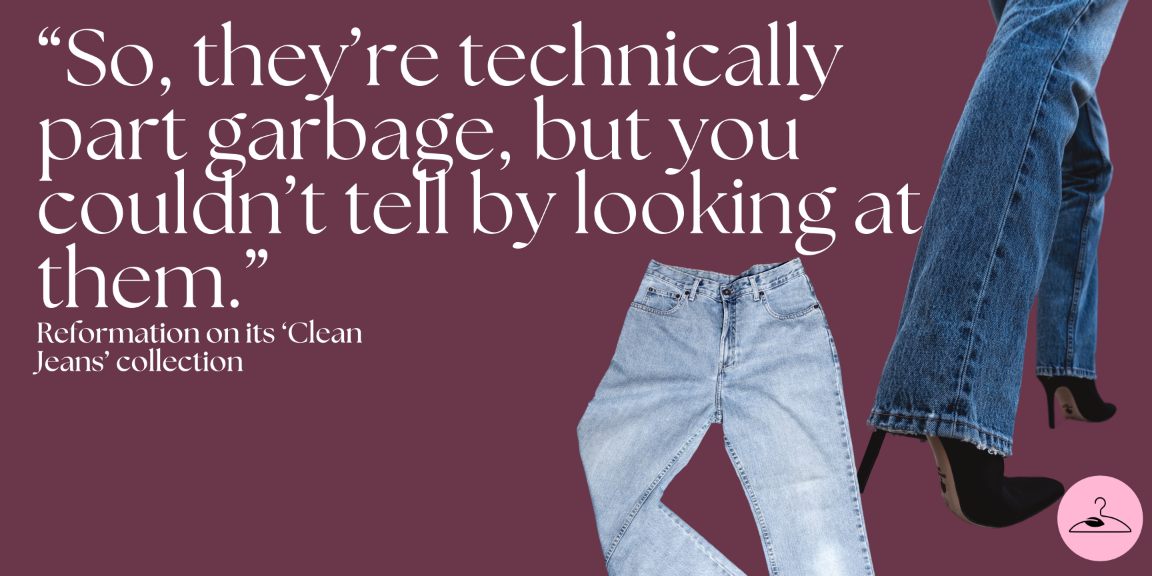
In 2017, Reformation launched Ref Jeans, a circular denim initiative designed to address the high levels of water use and manufacturing waste associated with traditional denim production. The line incorporates a mix of lower-impact materials, such as organically grown cotton, recycled elastane, Tencel Lyocell, and REFIBRA Lyocell, while excluding chlorine-based bleaches and other harsh processing chemicals.
Ref Jeans Uses Less Water and Energy
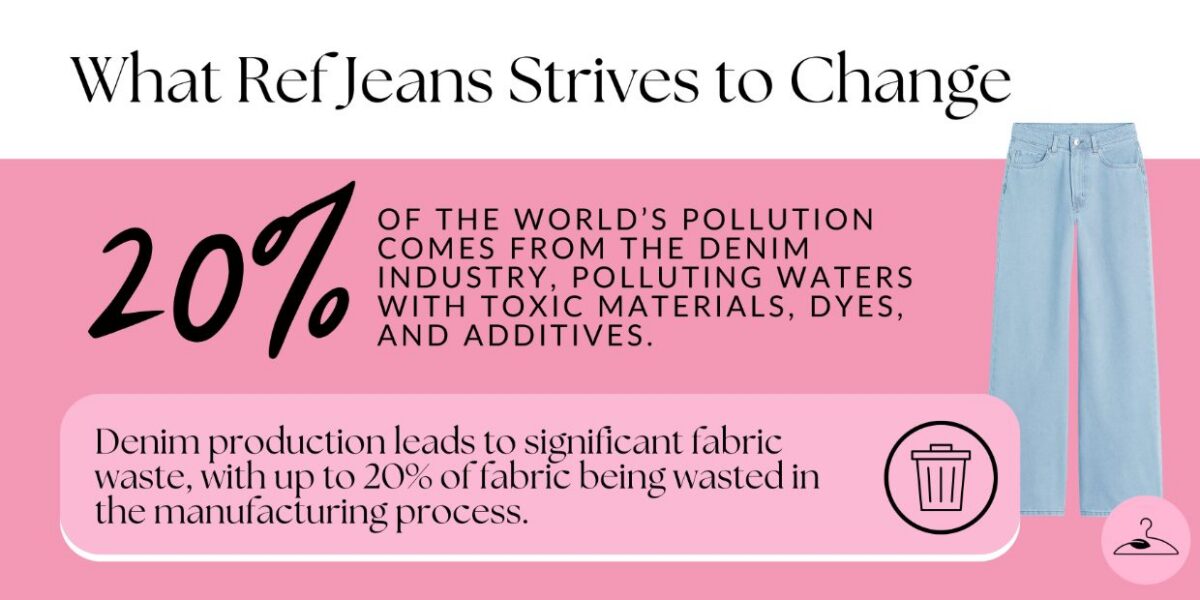
A key feature of Ref Jeans is its use of cellulase enzymes, which replace traditional pumice stone–washing methods. These enzymes create the familiar worn-in, stone-washed look while using far fewer resources. Compared to conventional washing techniques, enzyme-based finishing can save up to 80% of the water typically required and significantly reduce energy consumption.
“We started [Ref Jeans] with the idea that [denim] is the most common thing in our closet and the dirtiest. We knew we needed to tackle it. The circular denim partnership is really about building those relationships and showing that there is a better way.”
– Kathleen Talbot, Reformation’s Chief Sustainability Officer and Vice President of Operations
How Ref Jeans Reduces Denim’s Environmental Footprint
Considering Reformation’s broader sustainability claims, Ref Jeans represents one of the brand’s more meaningful steps forward. Denim is notoriously resource-intensive, requiring an estimated 2,700 liters of water for a single pair, and Reformation’s approach helps mitigate this impact.
The brand also partners with the National Forest Foundation, funding the purification of an additional 1,000 gallons of water for each pair sold. Beyond that, Reformation’s Clean Jeans line repurposes cutting-room scraps and uses regenerative cotton, offering a more circular and non-toxic alternative for denim shoppers.
❌ Quality Concerns Around Reformation: Analyzing Customer Reviews
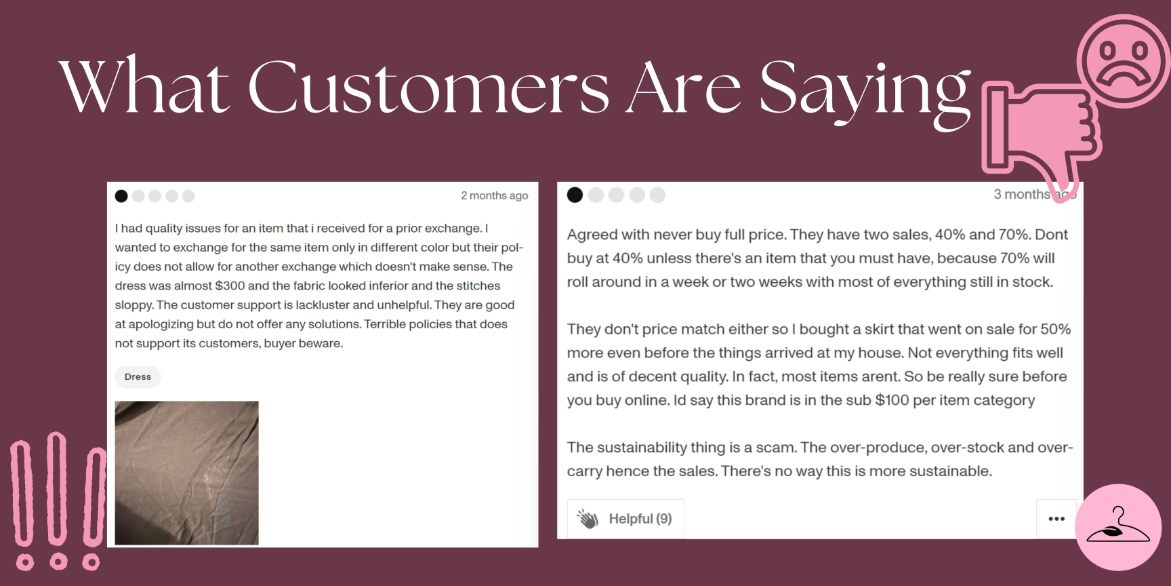
When evaluating “Is Reformation sustainable?”, durability must be part of the conversation. A garment that wears out quickly cannot be considered truly sustainable, regardless of its material composition. Customer reviews reflect a mixed experience with Reformation’s quality standards.
Many shoppers report that certain pieces hold up well and last through repeated wear. However, others cite issues such as broken zippers, thin or fragile fabrics, and construction that doesn’t justify the brand’s premium pricing. The overall sentiment suggests that while some items perform adequately, consistency in quality remains a recurring concern.

Shoppers Remain Skeptical About Reformation’s Sustainability
Beyond quality concerns, many shoppers question whether Reformation’s business practices align with its sustainability claims. Reviews frequently point out that the brand’s constant discounts and fast turnover resemble traditional fast-fashion tactics.
Customers note that Reformation often creates a “buy now” urgency, yet items remain regularly restocked and heavily marked down. As one reviewer put it, “There’s no reason to ever buy full-priced Reformation,” referencing frequent promotions and sales reaching up to 70% off. Another shopper observed that waiting pays off, since “70% will roll around in a week or two.”
❌ Reformation Likely Uses Unethical Labor
Reformation originally positioned itself as a brand grounded in ethical, local manufacturing, proudly highlighting its Los Angeles factory as a core part of its identity. While the company still operates this facility, employing roughly 300 workers, only about 40% of its garments are now cut and sewn in-house.
Shift Toward Overseas Manufacturing
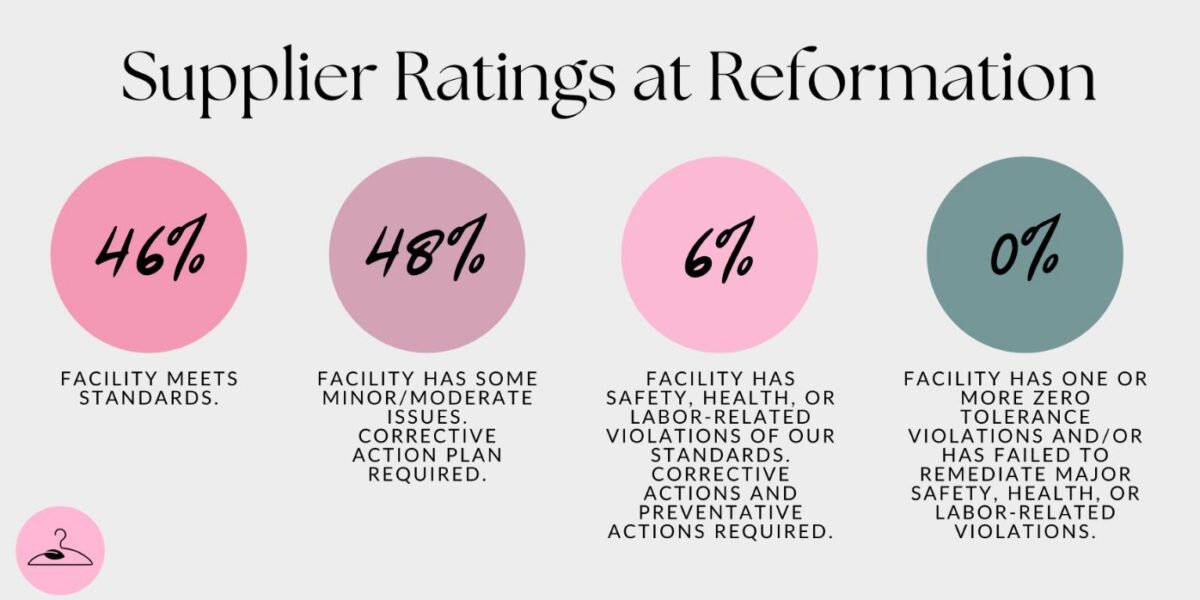
The majority of production has moved to offshore suppliers in countries such as China, India, Mexico, and Turkey. According to Reformation’s own supplier assessments, 54% of these factories fall into its “yellow” or “orange” categories, indicating minor to major issues that require corrective action related to safety, health, or labor conditions. Only 46% are fully approved as meeting the brand’s standards.
Limited Social Compliance Certification
Another concern is the low number of verified ethical suppliers. Out of roughly 30 production partners, only three hold recognized social compliance certifications, such as SA8000 or Fair Trade. These certifications help validate fair labor practices and working conditions, making their limited presence notable, especially for a brand that built its reputation on ethical manufacturing.
❌ Is Reformation Sustainable? Fleeting Discounts Mean It’s Not
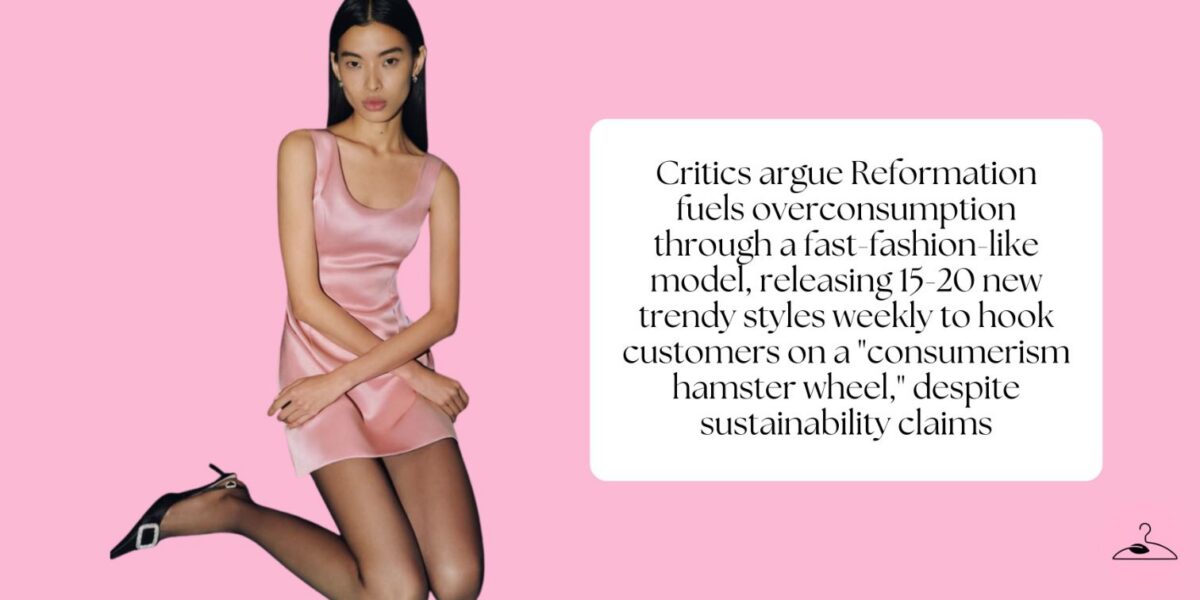
When comparing sustainable brands to fast-fashion labels, one key distinction lies in their approach to sales. Sustainable brands generally promote intentional purchasing, while fast-fashion companies rely on tactics that encourage frequent, impulsive buying, often through constant discounts and influencer-driven trends.
Influencer Marketing Framed as “Organic”
Reformation’s marketing strategy aligns more closely with fast fashion than slow fashion. The brand leverages influencer and celebrity visibility, frequently resharing viral clips, street-style photos, and creator content to promote new pieces.
While these posts appear casual and unplanned, the effect is intentional: Reformation cultivates an aesthetic of effortless, celebrity-approved appeal, making the clothing seem naturally desirable rather than strategically marketed.
This subtle promotional style can give shoppers the impression that famous individuals genuinely choose Reformation’s pieces without commercial incentive – an assumption that may not always reflect the full picture.
Reformation’s Collaboration with ThredUp
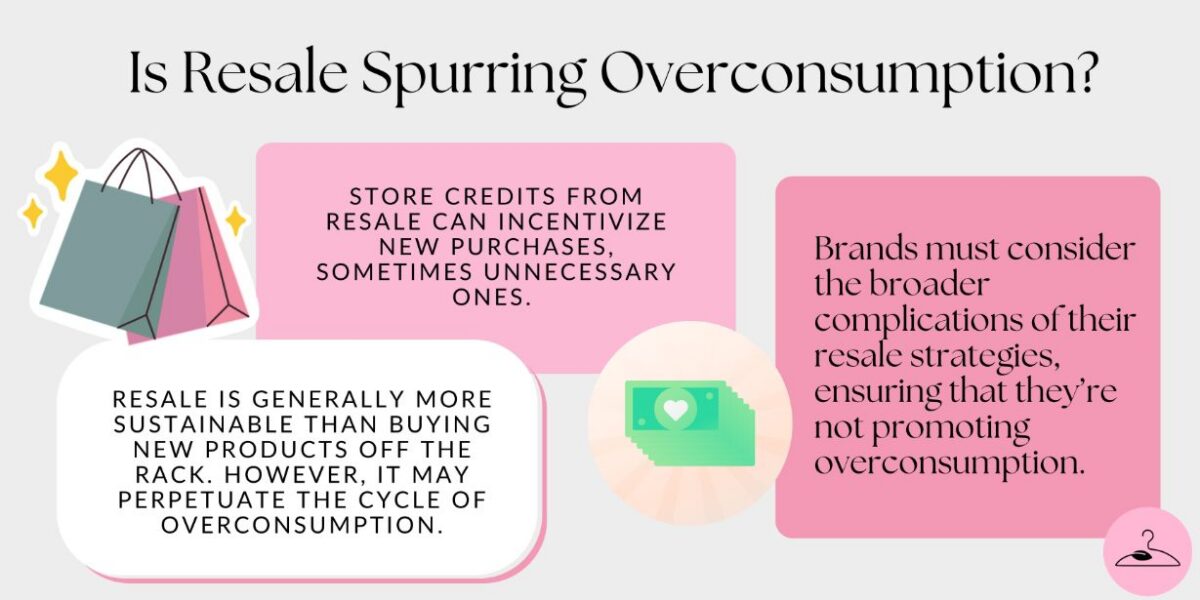
At first glance, Reformation’s partnership with ThredUp looks like a circular dream come true. Shoppers send their pre-loved pieces to ThredUp, the resale platform finds them a new home, and in exchange, you guessed it, customers receive store credit to shop Reformation again.
This partnership seems to keep clothing out of landfills while extending its lifecycle. However, the hidden profit incentive behind it lies in repeat purchases. The shopping credit encourages revenue growth, as customers return to the platform to purchase new items.
And make no mistake, this model paid off: in 2019 alone, Reformation gained $1.5 million in net benefit from the partnership and welcomed over 2,500 new customers through ThredUp consignors.
❌ Carbon Offsets: Reformation’s Questionable Strategy
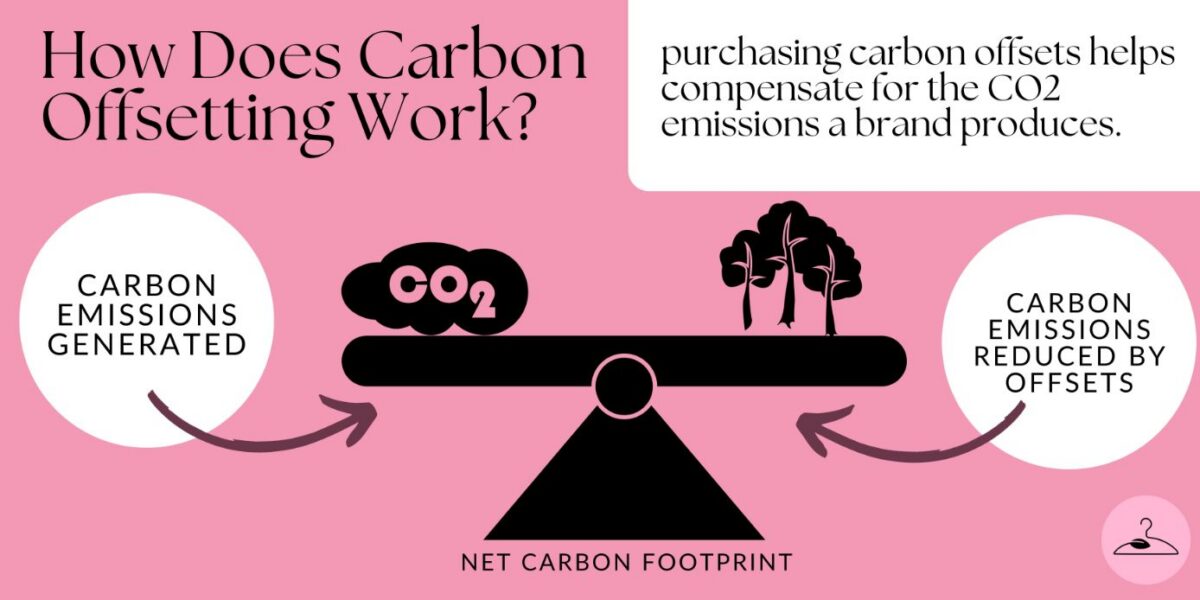
Reformation often highlights its global climate initiatives – planting trees, restoring forests, investing in clean water – all framed as a way to “balance out” the emissions the brand creates. On the surface, it sounds responsible. But critics argue: shouldn’t a brand reduce its footprint first before paying to compensate for it elsewhere?
In theory, carbon offsets neutralize the impact of manufacturing and transport. In practice, the process is far less transparent. Consumers rarely learn where trees are planted, who manages the land, or what long-term guarantees exist.
Why Carbon Offsets Are Often a Greenwashing Tactic
Offsets can create risk far beyond the fashion industry. Large-scale CO₂ removal projects have been criticized for disrupting local ecosystems, straining water supplies, and affecting indigenous communities’ land rights. Even reforestation, the most popular offset, can backfire; studies say that human-planned forests are more vulnerable to wildfires than natural ones (Santos, 2022).
In many cases, offsets serve as a permission slip: pollution now, cleanup later. Sustainability becomes an accounting exercise, emissions subtracted on paper rather than reduced in reality. So, until brands like Reformation view sustainability merely as an addition and subtraction game, carbon offsets remain a Band-Aid solution.

Reformation’s Brand Image
Founded in California in 2009, Reformation built its name on the promise of trend-meets-sustainability: minimalist silhouettes, neutral palettes, and pieces that claim to outlive seasonal cycles. Its aesthetic speaks directly to millennial minimalists and Gen Z shoppers who want their style to signal conscience as much as taste.
Often described as embodying “cheerful 90s minimalism,” the brand markets itself as Zara with a soul – effortless, feminine, and consciously cool. The visual message is clear, as the brand signals less waste, less trend-chasing, and less clutter.
But the question remains, does Reformation truly produce less, or simply package fast-fashion behavior in a sleek, sustainable filter? Behind the slip dresses and understated branding, the model looks surprisingly familiar – Reformation is more Zara than a revolutionary brand that encourages conscious consumption.
How Reformation Could Become More Sustainable
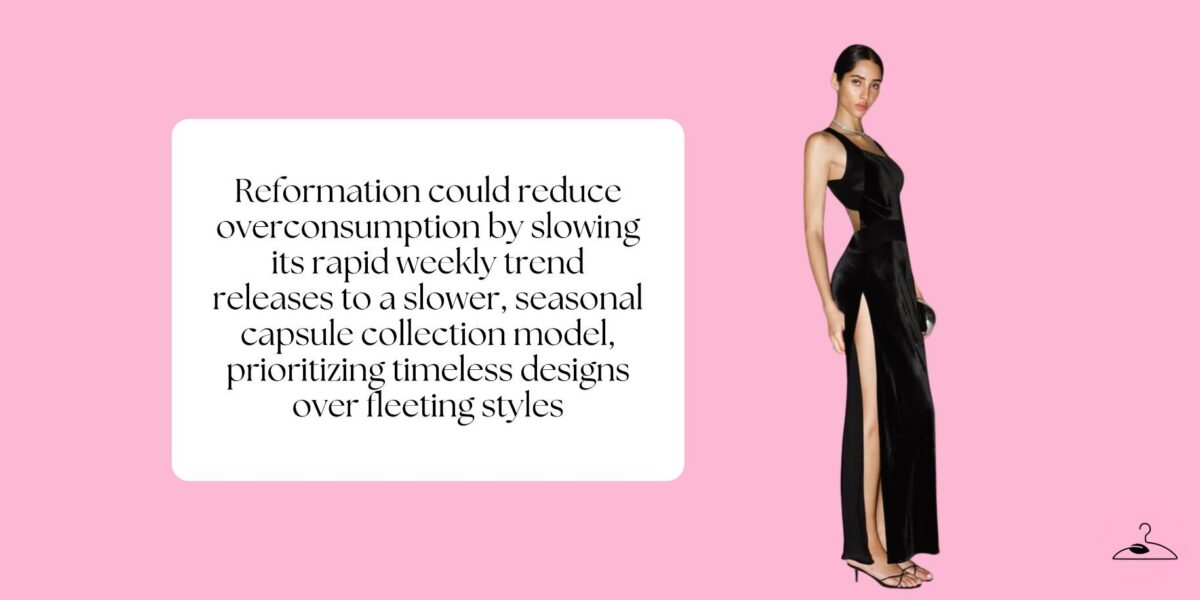
To improve both consumer and garment worker safety, Reformation would need to reduce reliance on chemically intensive fabrics like viscose rayon and increase use of genuinely sustainable fibers. These include organic cotton, organic linen, and responsibly sourced animal materials. Until then, its material portfolio remains only partially sustainable.
Rethinking Fabric Blends
A major issue across the industry, and one Reformation is not exempt from, is fabric blending. Brands may use natural fibers, but then combine them with synthetics like elastane or polyester, which undermines recyclability and the environmental benefits of natural materials.
Reformation’s own product listings show examples of this practice: dresses made from a mix of lyocell, cotton, and elastane, or cotton blended with viscose. These hybrids are nearly impossible to separate with current technology, meaning many end up in landfills.
If Reformation truly wants to embrace circularity, moving away from synthetic blends and designing garments with mono-material construction would be a meaningful step forward.
Final Thoughts
Reformation may market itself as “No.2” in sustainability, but its practices tell a different story. Fast-fashion-style discounts, overseas production, and viscose-heavy collections undermine its eco-image. Ref Jeans is the notable exception, offering meaningful water and energy savings.
Overall, Reformation is only slightly greener than mainstream fast fashion, and conscious shoppers may find better options with brands committed to ethical labor and truly sustainable materials.

Frequently Asked Questions
Reformation highlights the use of “low-impact” materials, carbon offsets, and its Ref Jeans circular denim initiative as core sustainability practices. While these efforts set the brand apart from mainstream fast fashion, high product turnover, overseas manufacturing, and frequent discounting undermine its claims, raising concerns about whether the brand’s business model aligns with long-term sustainability principles.
Reformation depends heavily on viscose/rayon, a fiber produced through chemical processing that can generate toxic emissions and wastewater without a closed-loop system. Although marketed as semi-natural, viscose contributes to environmental strain and limits recyclability, meaning its dominance in Reformation’s portfolio restricts the brand’s true sustainability impact and end-of-life responsibility.
Compared to Zara, Reformation offers more transparency and uses a higher percentage of lower-impact materials. However, both brands rely on trend-led turnover and frequent promotions, encouraging rapid consumption. While Reformation performs slightly better on fiber choice and reporting, it still mirrors fast-fashion behavior rather than operating as a genuinely slow, ethical alternative.
Reformation publicly targets increased use of recycled and next-gen fibers and promotes its Ref Jeans program as progress toward circularity. Yet its continued reliance on viscose and blended fabrics limits recyclability and end-of-life solutions. Without reducing production volume and improving material composition, its circular goals remain aspirational rather than transformative.
Reformation maintains quick production timelines and frequent restocks, resembling fast-fashion operational strategies. This rapid pace keeps shoppers engaged but encourages impulsive, trend-driven purchasing habits. Short production cycles and steady product refreshes contradict sustainability messaging, which typically emphasizes longevity, durability, and reduced consumption to address fashion’s environmental footprint.
Sources
- Reformation. Sustainability Framework 2023. Reformation, 2023.
- Reformation. Sustainability Report 2023 Annual. Reformation, 2023
- “How Reformation Tackled Faster, Affordable Denim Sustainably.” Digiday, 23 Oct. 2017.
- “Reformation: Brand Report, Sustainability, and Ethics.” Selfless Clothes, 3 Dec. 2021.
- “The Business Case for Circularity at Reformation.” NYU Stern, 2021.
- Santos Ltd. Climate Change Report 2022. Santos Ltd., 2022