
Sustainable Capsule Wardrobe: 5 Steps to Timeless Style
March 12, 2026
Light Spring vs Bright Spring: How to Tell Them Apart
March 23, 2026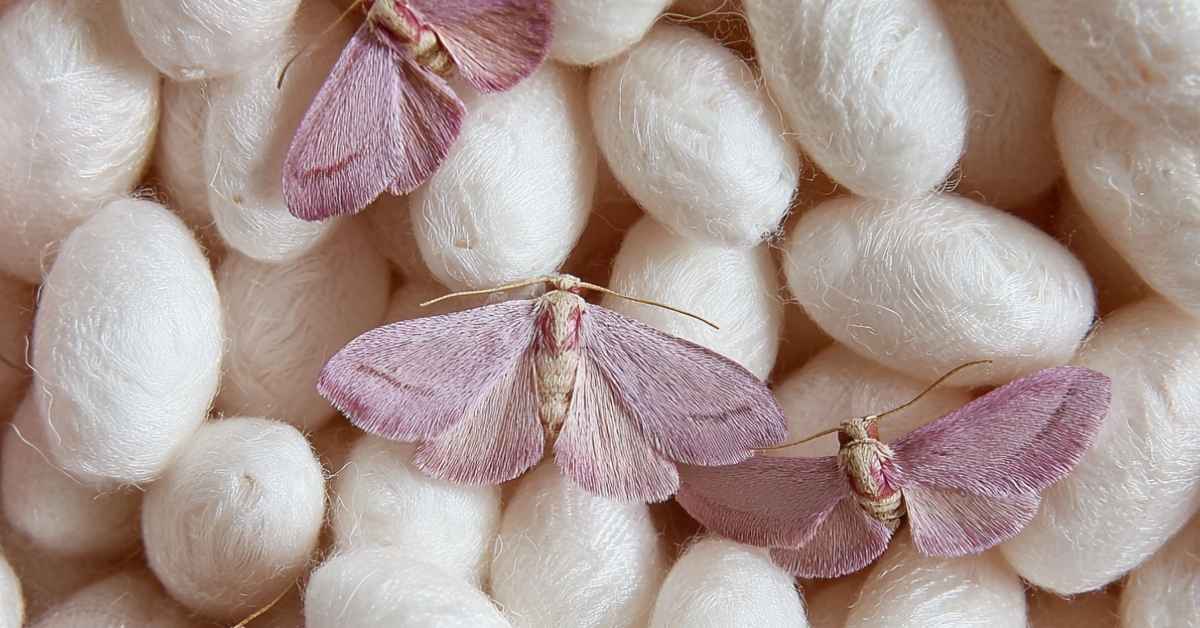
Silk is an ancient, luxurious fabric, but its traditional production raises serious ethical concerns. Thankfully, peace silk offers a cruelty-free alternative that allows silkworms to complete their life cycle naturally, so you can enjoy the benefits of the fabric without supporting animal harm. In this guide, we’ll explore how peace silk is made, how it’s sourced, and how it measures up to its conventional counterpart.
What is Peace Silk?
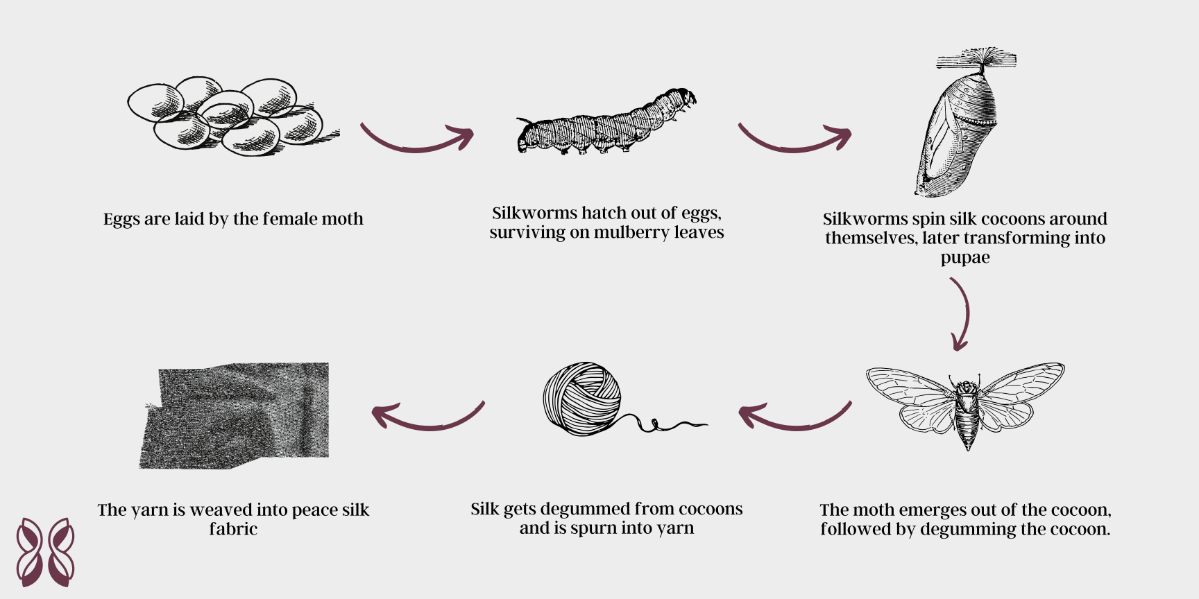
Known as ‘Ahimsa (non-violent) silk,’ peace silk is produced in a manner that allows the silkworm to escape after finishing its life cycle, rather than being terminated. Rajaiah Kusuma pioneered this fabric, which is celebrated for its ethical and cruelty-free qualities in silk textiles.
Peace Silk vs Regular Silk: A Comparison
| Category | Peace (ahimsa) silk 🕊️ | Regular silk 🪡 | Notes |
|---|---|---|---|
| 🏭 Production method | Cocoons collected after the moth naturally emerges | Cocoons are boiled with the pupa inside | The root difference that shapes everything downstream. |
| 🐛 Animal welfare | Vegan and cruelty-free; no silkworms harmed. | Thousands of silkworms are killed per kilogram; not considered vegan. | Peace silk aligns with cruelty-free standards. |
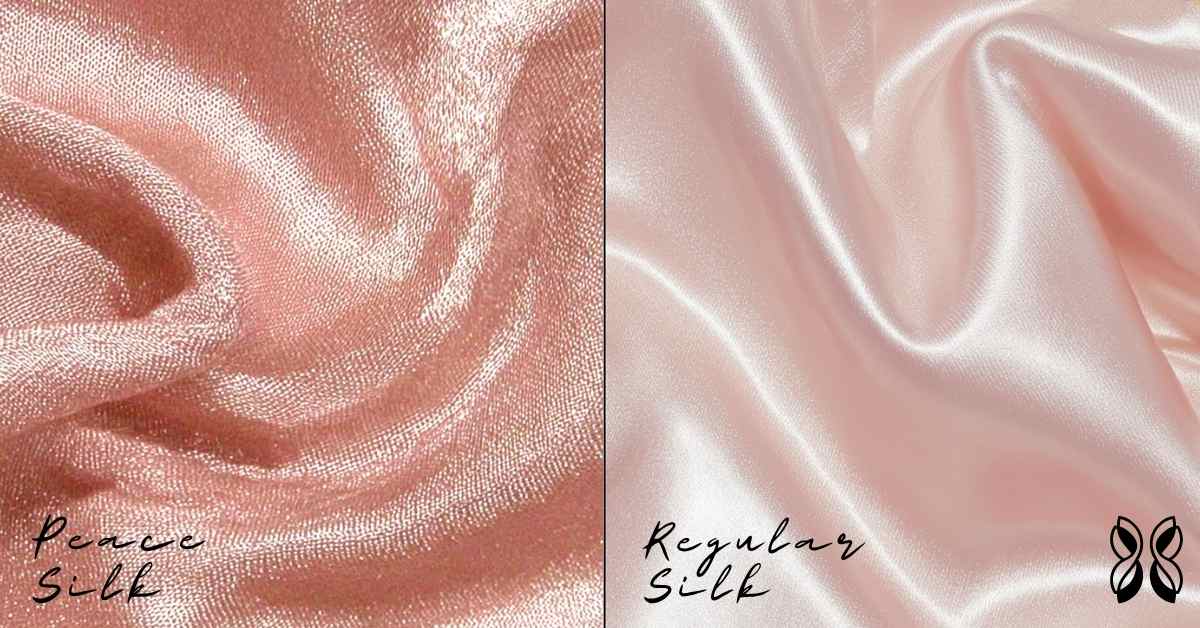
| ✨ Fibre & texture | Spun from broken fibres; soft, slightly textured, low sheen. | Long continuous filaments; a smooth, uniform, high-sheen fabric. | Regular silk wins on sheen; peace silk has a more artisan, natural feel. |
| 🌱 Biodegradability | Biodegradable, especially with low-chemical processing | Also fully biodegradable, but can be treated with harsh garment finishes | A genuine win for both; chemical processing is the main variable. |
| 🌍 Environmental impact | Often paired with organic farming and gentler degumming, reducing chemical use, though labor and resource intensity remain. | Conventional production typically involves pesticides for mulberry farming and chemical scouring. | Both have room to improve, but compared to synthetic fabrics, either silk is a more conscious choice. |
Overall, both silk types are a far more conscious choice than synthetics, but they diverge on ethics. Regular silk delivers superior sheen and scalability, while peace silk trades some of that lustre for a guarantee that no silkworms were harmed in the process. If animal welfare is a priority, peace silk is the clear winner. If you’re after that classic, high-gloss finish at a lower price point, conventional silk still holds its ground.
Peace Silk is More Textured Than Regular Silk
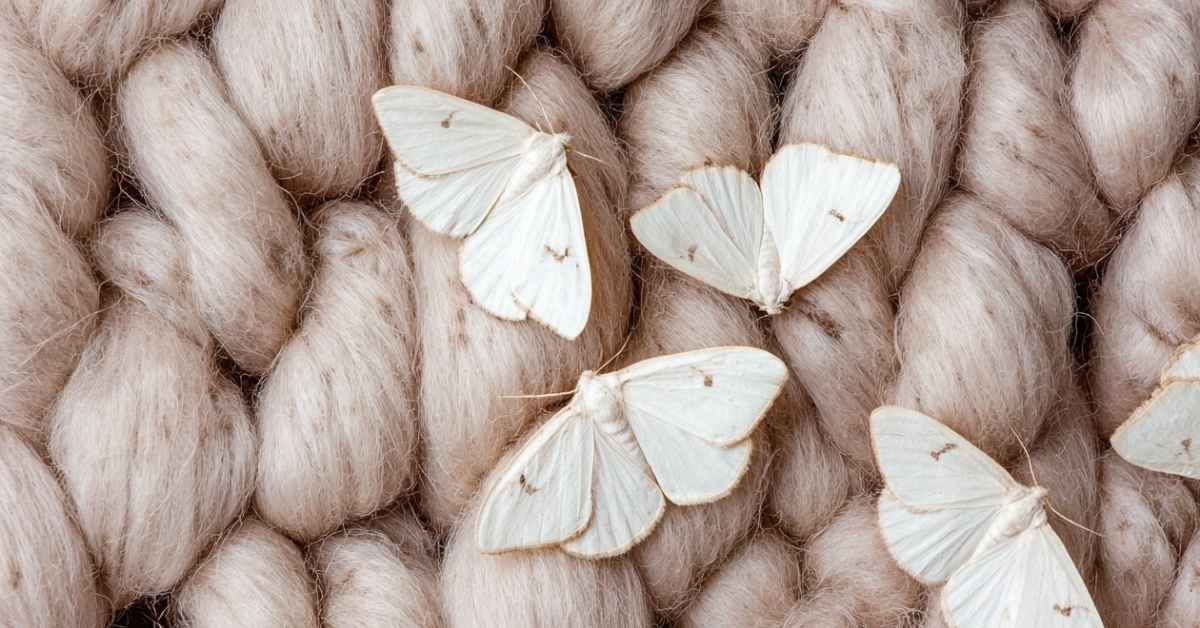
If you run your fingers across a piece of conventional mulberry silk, the sensation is immediate – cool, smooth, almost liquid. Peace silk fabric feels different. Because the moth has already broken through the cocoon by the time it’s harvested, the fibres are shorter and irregular, and must be spun rather than reeled. The result is a fabric with a subtle slub, a gentle texture, and a softer, more matte finish.
That doesn’t make it any less luxurious, just differently so. It remains breathable, lightweight, and thermoregulating, keeping you cool in summer and warm in winter. What it loses in high-gloss sheen, it more than makes up for in an organic, lived-in quality that many find more wearable, and more interesting, than its shinier counterpart.
The History of Ahimsa Peace Silk
Silk’s origin story reads like folklore: in 2640 BC, Chinese Empress Xi Lingshi watched a cocoon fall from a mulberry tree into her teacup, and an industry was born. For centuries, China guarded the secret fiercely before the fabric finally traveled west along the Silk Road.
Traditional production, however, has always carried a cost. The Bombyx Mori silkworm hatches, spins its cocoon within a month, and is then boiled alive, pupa and all, to keep the filament intact. Thousands of worms per kilogram of fabric.
The ethical alternative has its roots in Gandhi’s philosophy. Inspired by its emphasis on nonviolence, Indian inventor Rajaiah Kusuma, who was born into a weaver’s family, developed and patented a cruelty-free method that allows the moth to emerge naturally before the cocoon is harvested. His stated mission: to stop “killing millions of innocent silkworms” for commercial gain.
The result, known as peace silk or ahimsa silk, now accounts for roughly 20% of India’s total silk production, and is quietly finding its way into wardrobes worldwide.
Is Peace Silk Actually Sustainable?
Peace silk is often framed as the eco-friendly choice, and in many ways, it earns that reputation. Wild-type varieties like tussar, eri, and muga are typically raised outdoors, with fewer pesticides and stronger ties to intact forest ecosystems.
Many producers also favor gentler processing: milder soaps, plant-based dyes, and low-impact finishing that cuts down on water pollution significantly. But it’s still silk, and silk’s footprint is more complicated than its luxury image suggests.
Peace Silk’s Sustainability is Nuanced
Because moths pierce the cocoon before harvest, peace silk yields far less usable fibre per cocoon than conventional silk. This means more land, more feed, and more silkworm colonies for the same output. And while the farming side can be cleaner, the real environmental swing often happens further down the chain: how the fabric is dyed, finished, and — crucially — how long it’s actually worn.
A well-made peace silk garment, cared for and kept for years, is genuinely one of the more responsible things you can put in your wardrobe. That in cludes knowing how to repair damaged silk fabric, rather than discarding it at the first sign of wear — because longevity is where the real sustainability case is made. A cheaply processed, quickly discarded piece loses most of that advantage.
The honest takeaway: peace silk is a meaningful step in the right direction, but “cruelty-free” and “sustainable” aren’t always the same thing. How the whole chain is managed matters just as much as what happens to the silkworm.
Frequently Asked Question
Both require the same core inputs, including mulberry trees, water, and land. The difference is harvesting: peace silk lets moths emerge naturally before processing, skipping the energy-intensive boiling step. However, broken threads mean more raw material is needed per meter, potentially offsetting some environmental gains.
Tencel and modal are the most practical options, offering a similar drape made from sustainably sourced wood pulp. Bamboo fabric is widely available but varies in processing quality. For something more innovative, biosynthetic spider silk grown via fermentation exists, though it remains expensive and limited in availability.
The “cruelty-free” label is disputed: domesticated silkworms are so selectively bred they can’t survive in the wild regardless of harvesting method. Fraudulent labelling is also common since the fabric commands a premium. Additionally, broken fibers produce less durable fabric, raising questions about whether shorter garment lifespans offset any ethical benefits.
No single globally recognized certification exists specifically for peace silk. GOTS covers organic farming practices; OEKO-TEX tests for harmful substances, neither addresses animal welfare directly. In India, some state bodies have internal frameworks, but these aren’t internationally standardized. Transparent supply chains and farm-level documentation remain the most reliable indicators.
Peace silk consistently costs more than conventional silk. Lower thread yield per cocoon, labor-intensive harvesting, and smaller-scale production all push prices up. Consumers typically pay a significant premium — sometimes double — for peace silk garments, reflecting both the ethical positioning of the fabric and its limited global supply.