
Beach Capsule Wardrobe: Pack Smart + Look Amazing
February 8, 2025
Why Taylor Swift’s Color Palette Works Like Magic: A Style Deep-Dive
February 17, 2025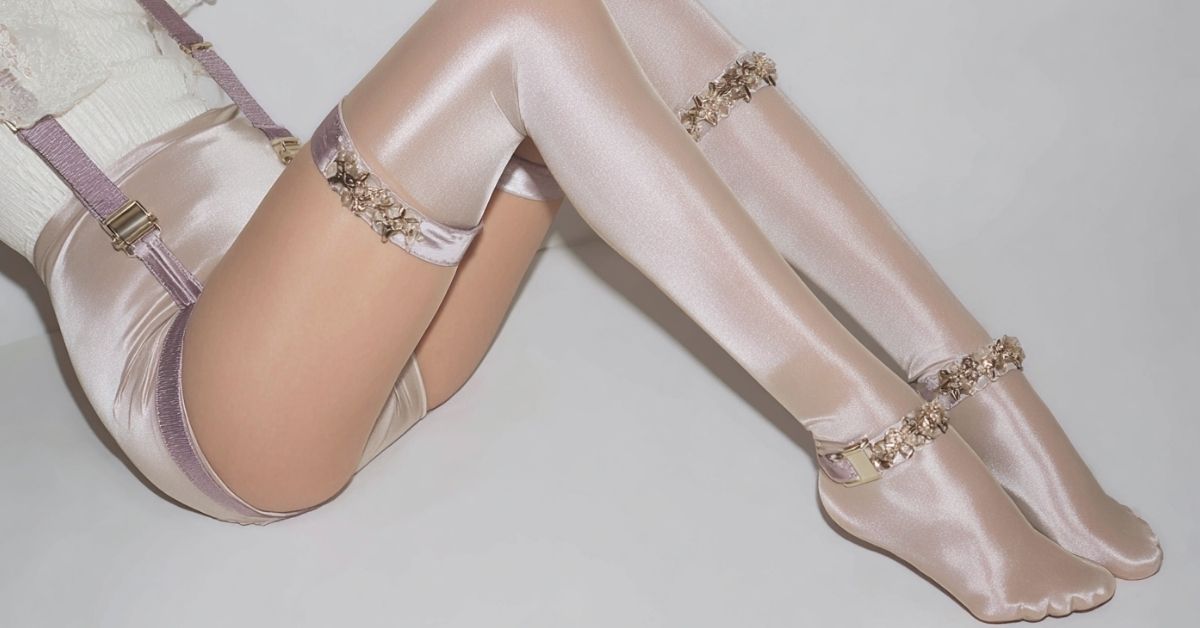
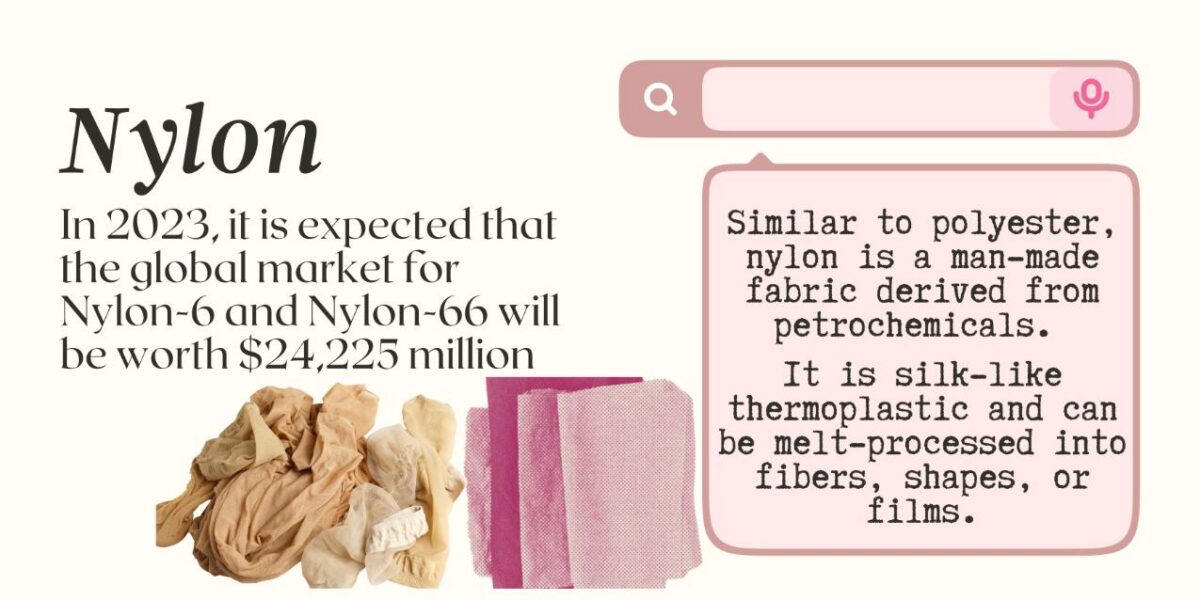
Nylon is a widely used textile material known for its durability, versatility, and Nylon is a widely used textile material known for its durability, versatility, and affordability. Over the years, it has become a staple in the production of various fabrics, particularly in activewear, swimwear, and other applications where elasticity is essential. But is nylon itself stretchy? Let’s find out its properties and its stretch capacity.
Is Nylon Stretchy?
Nylon alone is moderately stretchy but not highly elastic. For greater flexibility, it is often blended with elastane, creating nylon stretch fabrics. These blends are durable, elastic, and comfortable, making them ideal for activewear, swimwear, and garments requiring significant stretch and recovery for movement and flexibility.
Properties of Nylon
As a standalone fabric, nylon has some inherent elasticity, allowing it to stretch and recover to a certain extent. This natural flexibility makes it suitable for applications requiring moderate stretch.
However, its stretchiness is not as pronounced as fabrics specifically designed for elasticity, such as spandex or elastane. To enhance nylon’s stretch and recovery properties, it is often blended with elastane (also known as spandex or Lycra). This combination creates what is commonly referred to as “nylon stretch fabric.”
Elasticity of Nylon Stretch Fabrics
Nylon stretch fabrics are a blend of nylon fibers and elastane, designed to provide significant stretch and recovery without losing shape. The addition of elastane enhances the fabric’s ability to expand up to 5-6 times its original size and then return to its original form. This makes these fabrics ideal for garments that need to move with the body, such as:
- Activewear: For activities like yoga, running, and gym workouts, nylon stretch fabrics provide flexibility and comfort.
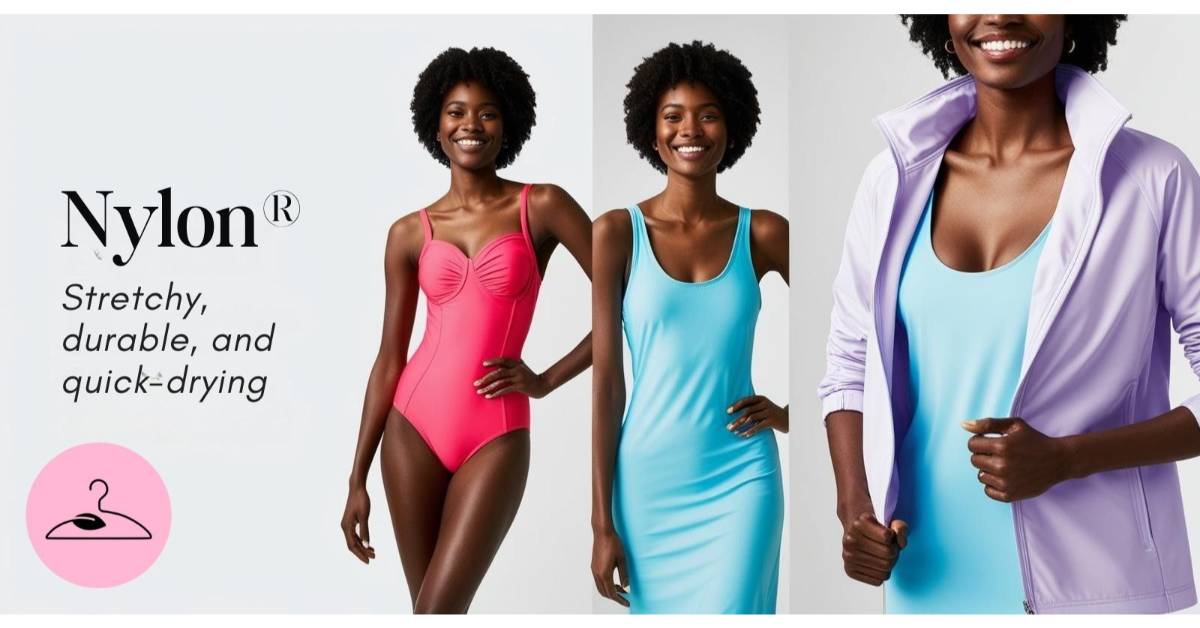
- Swimwear: The fabric’s ability to stretch and recover ensures a snug fit, even after prolonged use in water.
- Underwear: Soft, stretchy nylon fabrics are used to create comfortable, body-hugging undergarments.
Ultimately, while nylon itself contributes to the fabric’s strength and durability, the elastane fibers are the key component responsible for the stretchiness.
Nylon vs Other Fabrics: Stretch Comparison
When people seek answers to “nylon vs polyester stretch” or “nylon vs cotton stretch,” they’re usually comparing how each fabric behaves when pulled, worn, or washed. Here’s how nylon stacks up against the most common fibers in terms of stretch, elasticity, recovery, and flexibility.
| Fabric | Stretch Level | Elastic Recovery | Texture & Feel | When Blended with Spandex | Notes |
|---|---|---|---|---|---|
| Nylon | Moderate | Good | Smooth, sleek | Excellent | Naturally flexible and slightly stretchy; stronger when blended. |
| Polyester | Low–Moderate | Good | Firm, smooth | High | Holds shape well but less flexible than nylon. |
| Cotton | Very Low | Poor | Soft, breathable | Moderate | Minimal stretch unless knitted or blended. |
| Polypropylene | Very Low | Poor | Waxy, lightweight | Rare | Stable fiber with little give or rebound. |
| Spandex (Elastane) | Very High | Excellent | Smooth, elastic | Core fiber | Extremely stretchy; adds elasticity to blends. |
| Polyamide (Nylon family) | Moderate | Good | Smooth | High | Similar to nylon—same fiber group. |
Here’s a Quick Takeaway:
- Most Stretchy: Spandex (Elastane)
- Moderately Stretchy: Nylon and Polyamide
- Least Stretchy: Cotton and Polypropylene
- Nylon vs Polyester: Nylon is a bit more flexible, while polyester keeps its shape better.
- Nylon vs Cotton: Cotton barely stretches unless mixed with elastic fibers.
Types of Nylon Stretch Fabrics
Various types of nylon stretch fabrics are available, each designed for specific applications. Common types include:
- Nylon-Spandex Blend: This is the most popular type of nylon stretch fabric, typically consisting of 80-90% nylon and 10-20% spandex. It is a versatile fabric used in activewear, swimwear, and everyday clothing.
- Nylon-Polyester-Spandex Blend: Combining nylon, polyester, and spandex, this fabric is known for its durability and stretch. It is often used in sportswear and outdoor apparel.
- Nylon-Cotton-Spandex Blend: This blend combines nylon, cotton, and spandex for a fabric that is soft and stretchy. It is commonly used in intimate clothing like underwear and bras.
- Nylon-Microfiber Blend: Blending nylon with microfiber creates a fabric that is smooth and soft, making it ideal for swimwear and lingerie.
Practical Advantages of Nylon Stretch Fabrics
Nylon stretch fabrics offer a range of benefits that make them a popular choice for clothing and other textile applications:
High Elasticity
The combination of nylon and elastane results in fabrics that can stretch significantly while maintaining their shape. This elasticity is crucial for garments where movement and flexibility are required, such as leggings, sports bras, and swimsuits.
Abrasion Resistance
Nylon is known for its excellent abrasion resistance, making it perfect for applications where wear and tear are a concern. Its high tensile strength helps it withstand pulling forces, while its toughness prevents fractures from sudden stress.
The material’s hardness protects it from friction and abrasive particles, and its elasticity reduces wear over time. Nylon is also resistant to chemicals, avoiding corrosion and degradation in harsh environments.
Durability
Nylon is inherently strong and resistant to abrasion. When blended with elastane, the fabric becomes not only stretchy but also highly durable, capable of withstanding repeated wear and washing without losing its properties.
Ease of Care
Nylon stretch fabrics are resistant to shrinking, fading, and wrinkling, offering easy maintenance and long-lasting performance.
Is Nylon Stretchy After Prolonged Use?
While nylon stretch fabrics are highly elastic, it’s worth noting that the elasticity of nylon can diminish over time due to wear and environmental factors. For example, nylon stockings or leggings may lose their stretch and sag after repeated use and washing.
However, this is more of a concern for older, less advanced nylon materials — modern blends with elastane are designed to retain their elasticity for much longer.
Understanding How Nylon Behaves in Everyday Clothing
When people shop for wardrobe staples – leggings, lightweight tops, layering pieces – nylon tends to appear on a lot of clothing labels. Its appeal isn’t just that it’s smooth or stretchy; nylon offers performance qualities that make certain items last longer, keep their shape, and handle repeat wear well. Below, we’ll break down how nylon actually behaves in day-to-day clothing and how that affects durability and fit over time.
Why Nylon’s Stretch Matters for Real-Life Wear
Nylon has built-in elasticity, which allows garments to move with you rather than against you. When blended with elastane, the stretch becomes even more responsive. This combination supports both comfort and longevity, especially in pieces that bend, twist, or rub throughout the day.
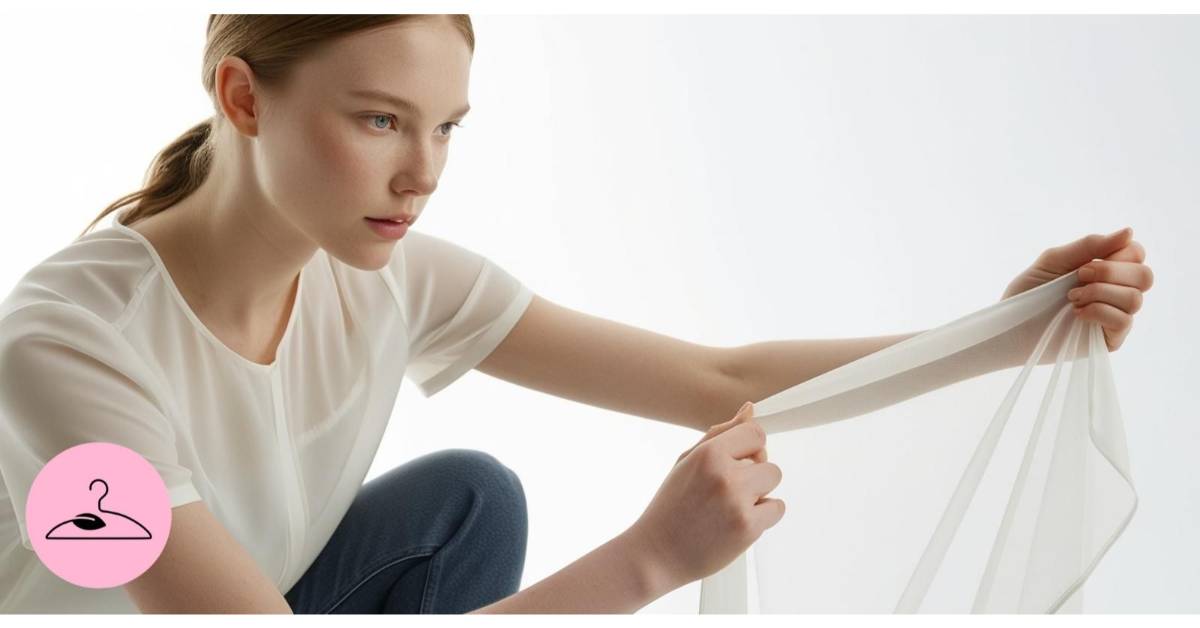
A quick way to test nylon’s quality: hold a section of the fabric between your hands, stretch it sideways, and observe how fast it snaps back. Immediate recovery usually means the garment will hold its shape better over months of wear.
Nylon and Long-Term Durability
Because nylon is one of the strongest synthetic fibers, it’s used in clothing that needs to resist friction, pressure, or repeated stretching. For a practical wardrobe, this can help reduce the pace of “wardrobe turnover”, the cycle of buying, replacing, and buying again. Nylon holds dye well too, so colors stay saturated instead of fading after a handful of washes.
Where Nylon Is Most Stretchy
To get a better sense of how nylon blends contribute to comfort and longevity, here are the types of garments where the fiber truly shines:
✔ Leggings
Leggings often use 70–80% nylon + 20–30% elastane, creating that second-skin stretch that molds to your body but still bounces back. This blend avoids knee bagging and waistband sagging, two common issues with lower-quality fabrics.
✔ Swimwear
Nylon’s ability to dry quickly and stretch in multiple directions makes it ideal for swimwear. A well-balanced nylon blend helps bathing suits hold their shape even after exposure to salt, chlorine, and sun.
✔ Sports Bras & Activewear
For pieces that need consistent support, nylon provides both high recovery and shape retention. It moves well during exercise and snaps back afterward, helping a garment maintain its fit instead of relaxing over time.
✔ Tights & Stockings
Ultra-thin nylon blends are what give tights their signature flexibility. These fabrics stretch more easily than almost any other material category, allowing for full mobility while staying lightweight and smooth.
How Nylon’s Stretch Influences Fit Over Time
A wardrobe that lasts isn’t only about toughness—it’s about maintaining the right fit. Nylon contributes to that by supporting a garment’s shape:
- More nylon → stronger structure (great for compression leggings and fitted tops)
- More elastane → more stretch, but it may shorten the lifespan if the percentage is too high
- Balanced blends → the sweet spot for long-term comfort and shape retention
Choosing blends thoughtfully helps avoid pieces that feel great on day one but lose their structure within a month.
Choosing the Right Nylon Blends for a Functional Wardrobe
Instead of avoiding synthetics altogether, many people find it practical to use nylon selectively—especially in categories where stretch, durability, and movement really matter.
You can use this as a quick guide when shopping:
- Leggings: 70–80% nylon for strength + 20–30% elastane for comfort
- Base Layers & Tops: 50–70% nylon for structure and resilience
- Activewear: Nylon-rich blends for shape retention
- Swimwear: Nylon blends for multi-directional stretch and quick dry
- Outer Layers: Nylon shells for wind resistance and durability
Thoughtful use of nylon often leads to a more reliable, long-lasting wardrobe, one where each piece is chosen for its performance, not just its aesthetics.
Nylon is not breathable
Your clothing shouldn’t just look good – it should let your body breathe. Nylon interferes with this natural process, and worse, it releases microscopic fibers that can find their way into your lungs. While you might not notice immediate effects, these invisible intruders could be setting the stage for respiratory issues down the line.
Making Safer Choices
Do the health impacts of nylon mean you need to purge your wardrobe immediately? Not necessarily. However, they do call for mindful choices:
- Consider natural alternatives like organic cotton, hemp, or bamboo for everyday wear
- If you must use nylon, limit direct skin contact and duration of wear
- Always wash new nylon garments before their first use
- Pay attention to your body’s signals – if you notice irritation, take it seriously
The Bottom Line
The convenience and affordability of nylon come with hidden costs to our health. As consumers become more aware of these risks, the choice becomes clearer. It’s time to rethink our relationship with synthetic fabrics and prioritize safer alternatives that don’t compromise our well-being for the sake of convenience.
Remember: Your skin is your body’s largest organ – what you put on it matters just as much as what you put in it.
Frequently Asked Questions
Nylon has moderate stretchiness due to its inherent elasticity. However, it is not highly elastic on its own. To enhance its stretch and recovery, nylon is often blended with elastane (spandex). This creates nylon stretch fabrics that are durable, flexible, and ideal for garments requiring movement, such as activewear, swimwear, and underwear.
Nylon-spandex blends combine the strength and durability of nylon with the high elasticity of elastane. This makes them perfect for garments like leggings, swimsuits, and sportswear. These blends stretch significantly, recover their shape, and provide comfort, flexibility, and long-lasting performance.
Nylon stretch fabrics are highly elastic, durable, UV-resistant, and easy to care for. They maintain their shape even after repeated use, offering flexibility and comfort. Their ability to resist shrinkage, fading, and wrinkling makes them ideal for activewear, swimwear, and other garments requiring stretch and recovery.
No, nylon is not very breathable. It traps moisture and heat against the skin, creating a warm environment that may lead to discomfort or bacterial growth. Additionally, nylon fibers can release microscopic particles, which, over time, might contribute to respiratory issues. Choosing fabrics with better airflow, like cotton or bamboo, is advisable.
Yes, nylon stretch fabrics are low-maintenance. They resist shrinking, wrinkling, and fading, making them easy to care for. To maintain their elasticity, avoid high heat during washing or drying and use gentle detergents. With proper care, these fabrics retain their performance and appearance over time.
Nylon has low moisture absorption compared to natural fibers like cotton. It dries quickly and wicks moisture away from the skin, which helps in activewear and swimwear. However, because it traps moisture on the surface, it may create a breeding ground for bacteria if worn for extended periods without washing.
Slightly — nylon absorbs a small amount of water, which can make it softer and more pliable. However, once it dries, nylon quickly returns to its original shape. This is why nylon swimwear and activewear retain their snug, supportive fit even after prolonged exposure to water.