
Deep Winter Makeup: Unlock Your Best Shades
October 23, 2025
Light Spring Capsule Wardrobe: How to Style the Palette
October 27, 2025
J.Crew, the iconic American retailer founded in 1947, has long been celebrated for its polished preppy style and role in shaping U.S. fashion. But in recent years, as consumers have grown more conscious about sustainability, a pressing question arises: Is J.Crew fast fashion? Let’s dig into its history, quality, fabrics, and practices to uncover the truth.
Is J.Crew Fast Fashion?
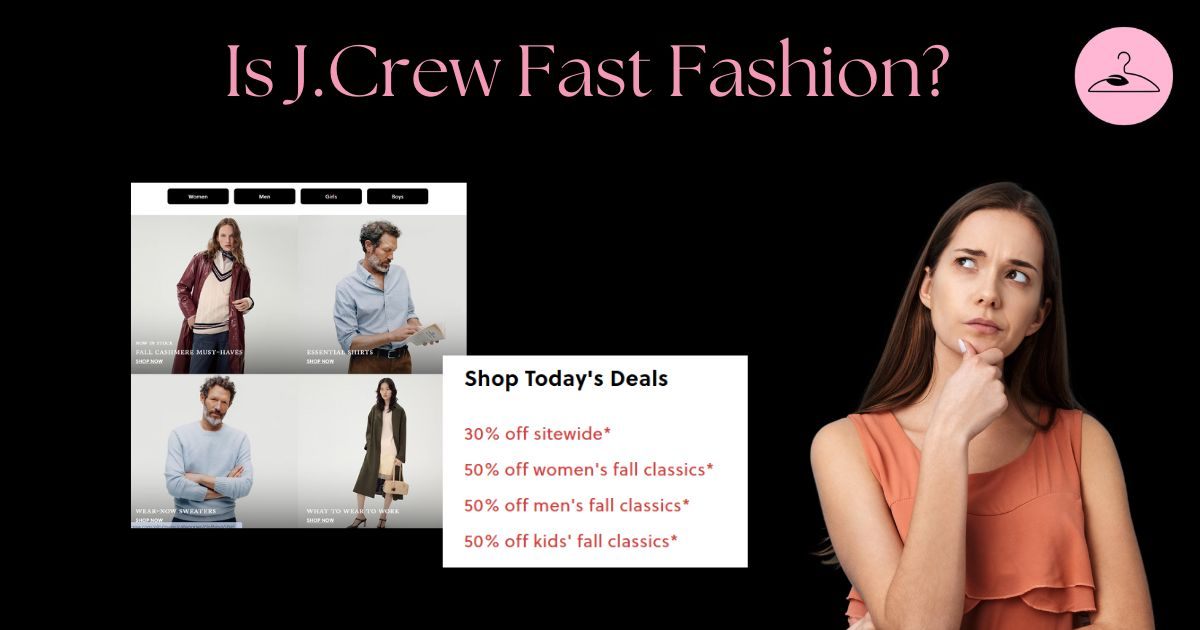
J.Crew doesn’t fall into the same category as ultra-fast fashion brands like Shein or Boohoo. However, it has increasingly adopted fast-fashion tactics: frequent new collections, sales-driven cycles, reliance on synthetic fabrics, and overseas mass production. While it positions itself as a higher-quality brand, J.Crew straddles the line between mid-market retail and fast fashion.
J.Crew’s Fabrics and Quality: Worth the Price?
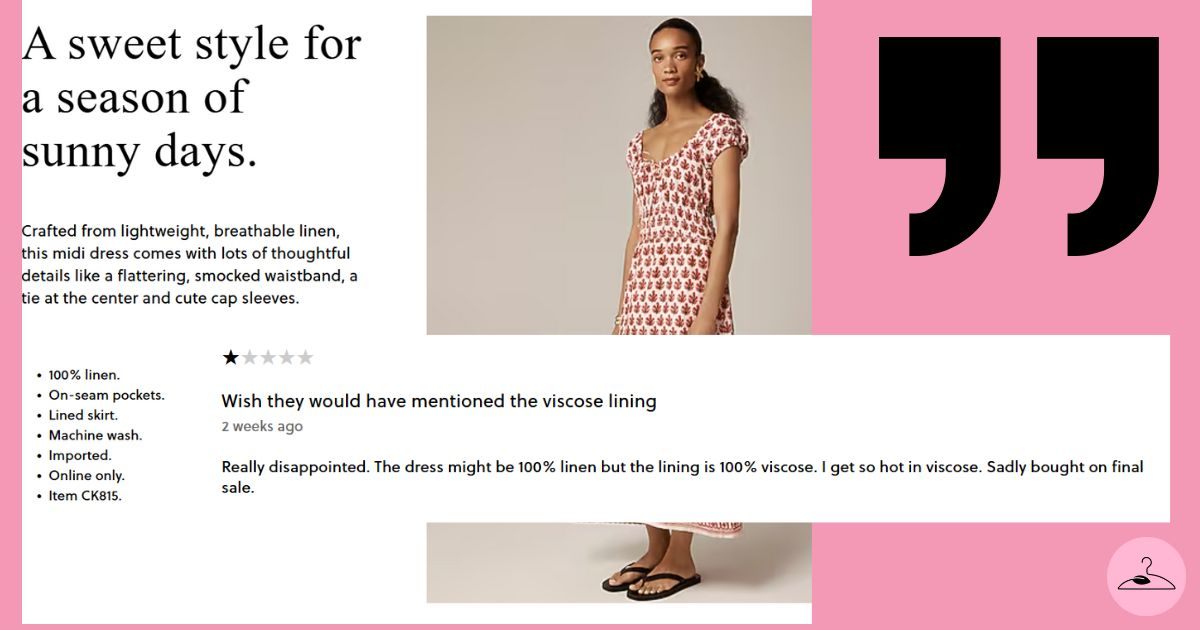
To find out what J.Crew is really offering today, we reviewed the fabric composition of 30 items across men’s and women’s categories. The results paint a mixed picture: J.Crew seems to be part a heritage brand, part a modern fast-fashion player.
Natural Fibers Still Have a Place
Many higher-end pieces still use 100% natural fabrics. Suits in Italian wool, cashmere sweaters, silk blouses, and linen dresses point to J.Crew’s premium side. Denim also relies on cotton, with just a touch of elastane or polyurethane added for stretch.
Synthetic Blends Are Everywhere
Move beyond suiting and cashmere, and the story shifts. Fleece sweatshirts often mix cotton with polyester. Cardigans blend nylon, alpaca, and wool. Knitwear marketed as “supersoft” usually contains a cocktail of synthetics for texture and shape retention.
Outerwear is another area where synthetics dominate, with nylon shells and polyester linings appearing in nearly every style. These blends don’t necessarily make the items unwearable, but they do undercut the luxury image J.Crew continues to project.
J.Crew’s Small Yet Insignificant Eco Efforts
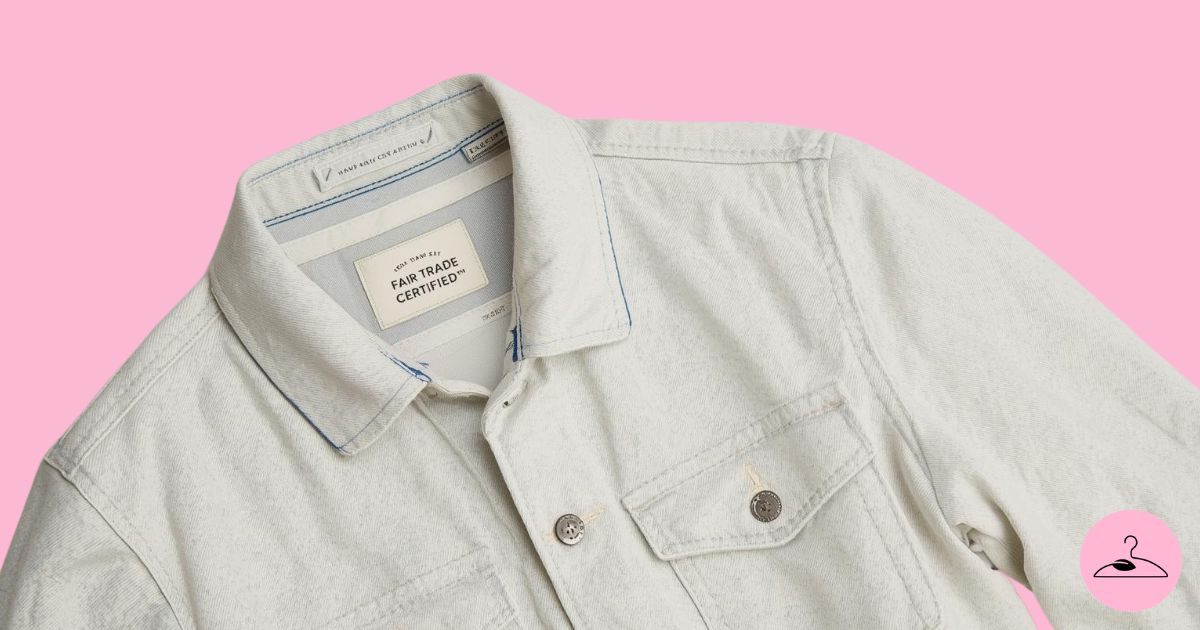
J.Crew has also experimented with more sustainable fabrics, though the selection is limited. A few standouts include Fair Trade Certified™ denim jackets made with regenagri®-certified cotton, swimwear crafted from ECONYL® recycled nylon, and puffer jackets using recycled nylon shells with PrimaLoft® insulation.
Yet these examples were rare. Out of 30 items, only a few included certified or recycled materials. It suggests that eco-fabrics function more as marketing highlights than as a brand-wide commitment.
J.Crew as a Brand in Conflict
The data points to a clear tension. J.Crew emphasizes its legacy of wool, cashmere, silk, and linen, but in practice leans heavily on blends that undermine its premium image. Polyester and nylon aren’t present just in performance categories: they dominate much of the core range.
This hybrid model may help J.Crew compete on price and margin, but it erodes the trust of customers who still associate the brand with long-lasting quality.
Customer Reviews: Loyalists vs Critics
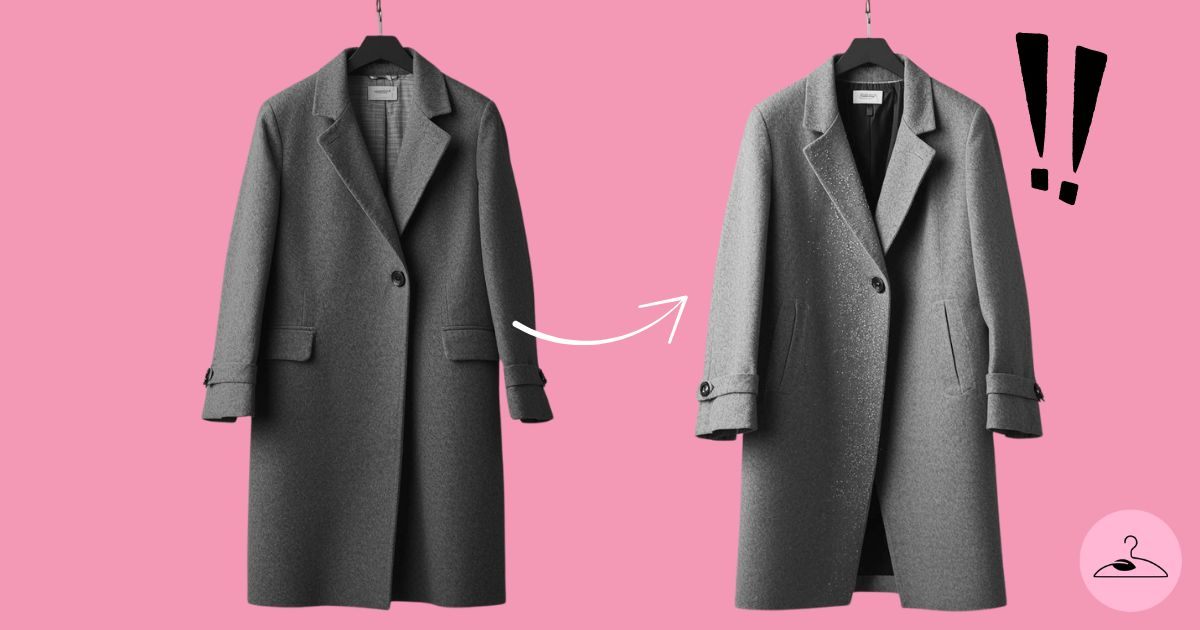
J.Crew’s loyal customers still love the brand for its classic preppy staples, be it blazers, crisp shirting, or tailored coats. Many shoppers return season after season for its reliable silhouettes. But dig into online reviews, and a more complicated story emerges.
Since the 2010s, complaints about quality have become frequent. Fabrics are thinner, cashmere pills quickly, and sizing can feel inconsistent. One longtime shopper recalled buying a wool coat in the early 2000s that “lasted nearly a decade without losing its shape,” only to see her newer purchase pill after two winters. Another summed it up bluntly: “J.Crew used to feel premium. Now it feels like fast fashion at a higher price tag.”
Yet compared with Zara or H&M, many customers still believe J.Crew clothes hold up a bit better, especially when purchased thoughtfully (e.g., coats, heritage knits). This tension explains why the debate around J.Crew is so lively: nostalgia and loyalty clash with the reality of declining standards.
J.Crew vs Uniqlo vs Zara: A Side-by-Side Comparison
| Aspect | J.Crew | Uniqlo | Zara |
|---|---|---|---|
| Overall Rating | 1.5/5 – limited progress, weak on transparency. | 3/5 – stronger on worker rights and materials. | 0.5/5 – ambitious goals but mixed results. |
| Materials | Uses organic/recycled cotton in some items; “Re-imagined” line. Heavy polyester use. | Some recycled fabrics; science-based climate targets. | “Join Life” line with organic/recycled fabrics; still high polyester use. |
| Supply Chain | Overseas production, vague disclosures, little proof of living wages. | Publishes more info; audits in place, but wages not guaranteed. | Inditex maps supply chain better, but still weak on labor enforcement. |
| Animal Welfare | Uses wool, leather; few strong policies. | Has welfare policy, some certified down/wool. | General statements, lacks full traceability. |
| Circularity | Small resale program with thredUP; some eco-cotton projects. | Clothing recycling bins, repair initiatives. | In-store drop-offs, recycled fiber projects. |
| Goals & Reporting | Targets 100% sustainable key fibers by 2025; vague updates. | Climate targets, more frequent reporting. | Broad Inditex goals on energy, fabrics, waste; progress uneven. |
J.Crew’s Discounts Drive Overconsumption
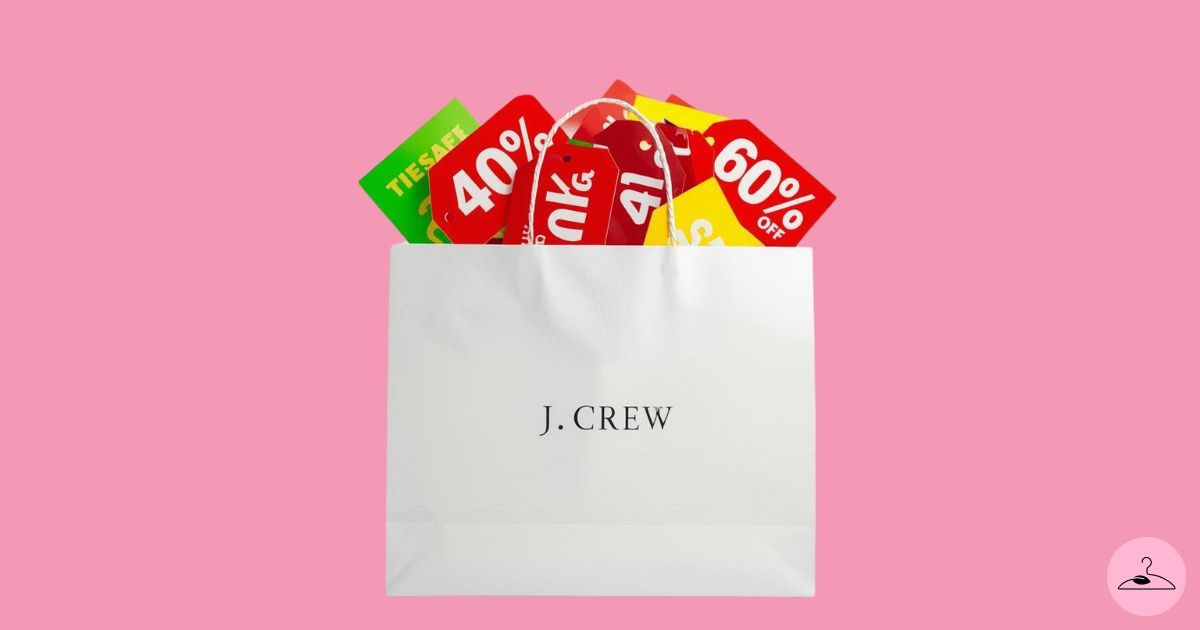
Fast fashion thrives on consumerism and rapid turnover, and J.Crew’s frequent promotions (often 40–60% off) encourage bulk buying, thus, contributing to the industry-wide problem. The brand conditions its consumers to wait for sales, running promotions so frequently that full prices have little meaning.
In fact, J.Crew has faced multiple class action lawsuits over “false reference prices”, including one in 2023 and another in 2016 (Delman v. J.Crew). Each alleged the same pattern: inflated “valued at” prices that made discounts look deeper than they really were, and the items were never sold at those higher reference prices.
Ethical Alternatives to J.Crew

People Tree ($)
Affordable pioneer in fair trade fashion, using organic cotton and natural dyes with transparent supply chains.

Eileen Fisher ($$$)
Luxury womenswear built to last, with circular programs like Renew and organic, regenerative fabrics.

Fair Indigo ($)
Everyday basics made from organic Pima cotton, fairly paid workers, and eco-friendly dyes.

Armed Angels ($$)
Modern styles with organic and recycled fabrics, fair working conditions, and circular initiatives.

Sézane ($$–$$$)
Parisian chic with eco-friendly materials, carbon reduction goals, and transparent ateliers.

Frequently Asked Questions
While J.Crew highlights select eco-friendly fabrics like recycled nylon and organic cotton, most of its offerings still rely on polyester, nylon, and synthetic blends. These materials are less sustainable long-term, making eco-lines feel more like marketing highlights than a brand-wide transformation.
Customer reviews often point to thinner fabrics, inconsistent sizing, and cashmere that pills quickly. Compared to older items that lasted a decade or more, newer pieces feel less durable. This perceived decline fuels criticism that J.Crew is leaning closer to fast fashion.
Yes. J.Crew has been the subject of multiple class action lawsuits over “false reference pricing.” Courts have reviewed claims that the company exaggerated discounts by inflating “valued at” prices, suggesting deeper savings than actually existed. These cases spotlight concerns about overconsumption tactics.
Compared to Zara, J.Crew is less transparent about its supply chain and climate goals. Uniqlo publishes more details and has science-based targets, while Zara highlights its “Join Life” line. J.Crew’s progress remains modest, leaving it behind competitors on sustainability commitments.
J.Crew partners with the Aid by Trade Foundation to source cashmere certified under The Good Cashmere Standard®, which improves goat welfare and farmer conditions. However, wool and leather policies remain vague, and the brand lacks strong, transparent animal welfare commitments across its portfolio.
Discounts are central to J.Crew’s sales strategy. With promotions often ranging from 40–60% off, shoppers rarely pay full price. This constant cycle conditions customers to wait for markdowns, fueling bulk buying and consumerism while eroding the meaning of original pricing.
J.Crew has experimented with resale through ThredUP and limited recycling initiatives. Yet these programs remain small in scale. Unlike brands that invest heavily in repair or take-back systems, J.Crew’s circularity efforts appear secondary rather than a core part of its business model.