
Deep Autumn Capsule Wardrobe: How to Style The Palette
November 14, 2025
Is Depop Fast Fashion in 2026? An Honest Look
November 21, 2025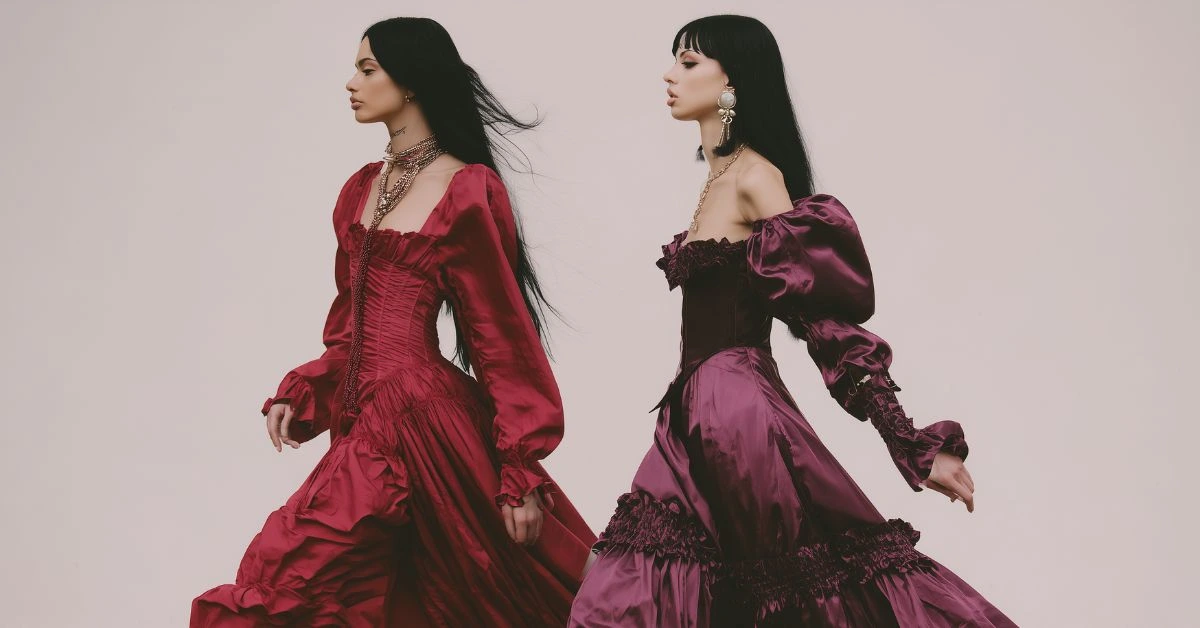
The Winter family is defined by high contrast, cool undertones, and a striking, polished effect. Yet within Winter, sub-seasons like Bright Winter vs Dark (Deep) Winter can look dramatically different. Knowing which you are makes all the difference in choosing flattering colors. In this guide, we’ll break down these two sub-seasons, so you can discover your seasonal match.
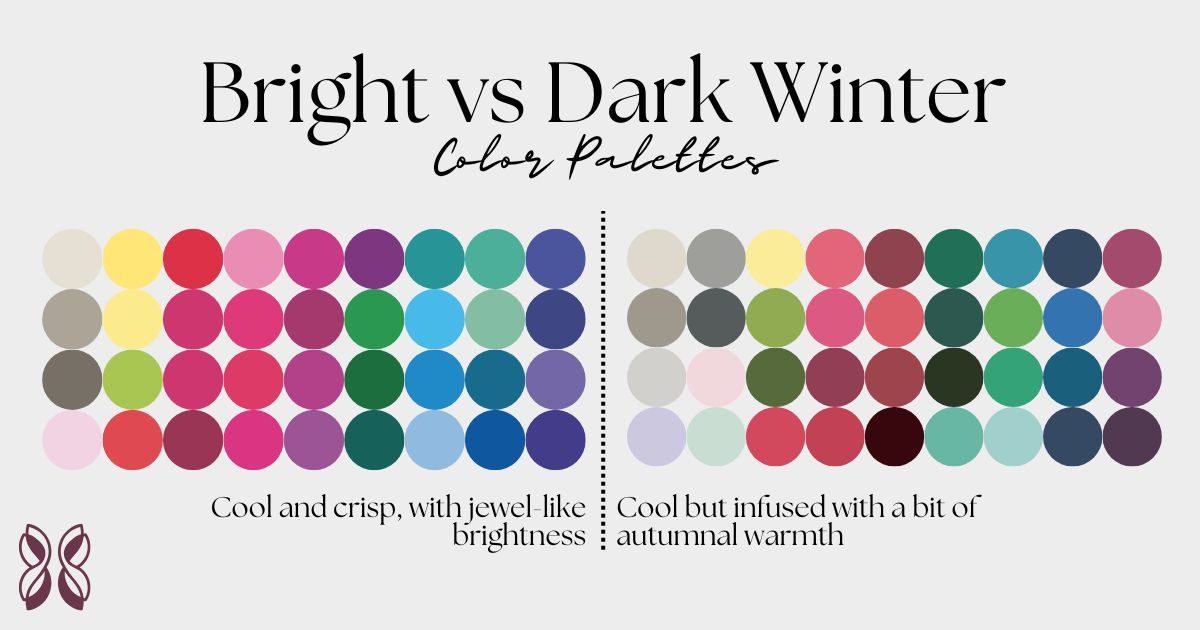
Bright Winter vs Dark Winter Color Palette
| Attribute | Bright Winter | Dark (Deep) Winter |
|---|---|---|
| Hue | Cool, jewel-like brights; slight Spring influence adds clarity | Cool, rich shades; slight Autumn influence adds depth |
| Value | Light-to-dark range with emphasis on brilliance | Medium-dark to deep overall, leaning intense |
| Chroma | Very high—colors are vivid, sharp, icy | Moderately high—colors are saturated but less neon-like |
| Examples | Fuchsia, icy turquoise, emerald, lemon yellow, hot pink | Burgundy, black, pine green, dark teal, deep magenta |
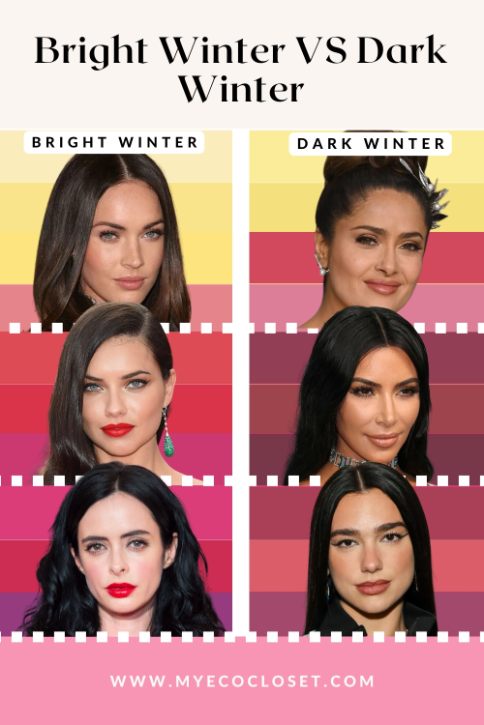
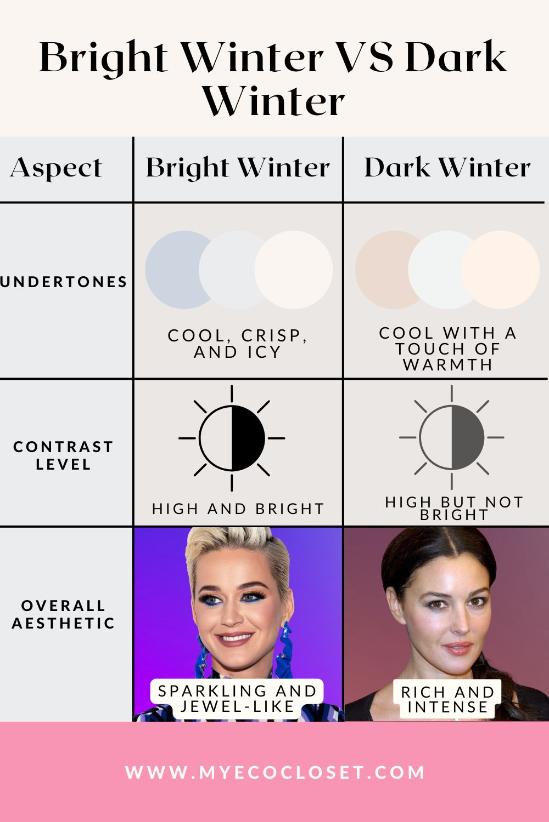
Bright Winter Is More Sparkling, Dark Winter More Grounded
Bright Winter thrives in radiant, almost neon-like colors. Think icy turquoise or fuchsia that pop against a backdrop of black-and-white contrast. The influence of Spring gives this palette a fresh, electric quality.
Dark Winter, on the other hand, leans into drama. Imbued with Autumn’s depth, it favors shades like deep teal, burgundy, or pine green. The overall impression is intense, sultry, and mysterious, rather than sparkling and crisp.
PRO Tip: Place two fabrics side by side — icy turquoise vs. deep burgundy. Bright Winter glows in the icy shade, while Dark Winter’s features balance beautifully with the richer depth.
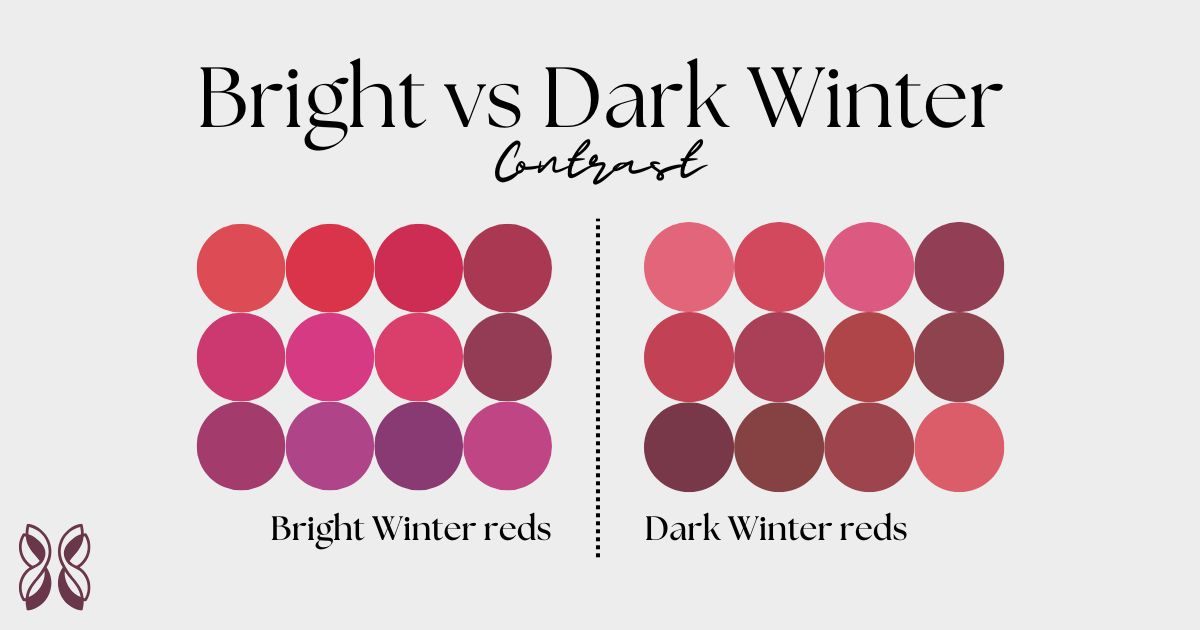
Contrast Levels: Bright vs Deep
Bright Winter individuals usually have strong contrast in features, like dark hair next to light eyes and clear skin. This sharp mix makes vivid shades such as lemon yellow or emerald look striking.
Dark Winters, on the other hand, have features that blend more: e.g., dark hair, deep eyes, and cool or olive skin. They shine in rich, saturated colors like pine green, burgundy, or black.
The key difference? Bright Winters can look dull in muted or overly dark colors, while Dark Winters may find neon-bright shades too harsh.
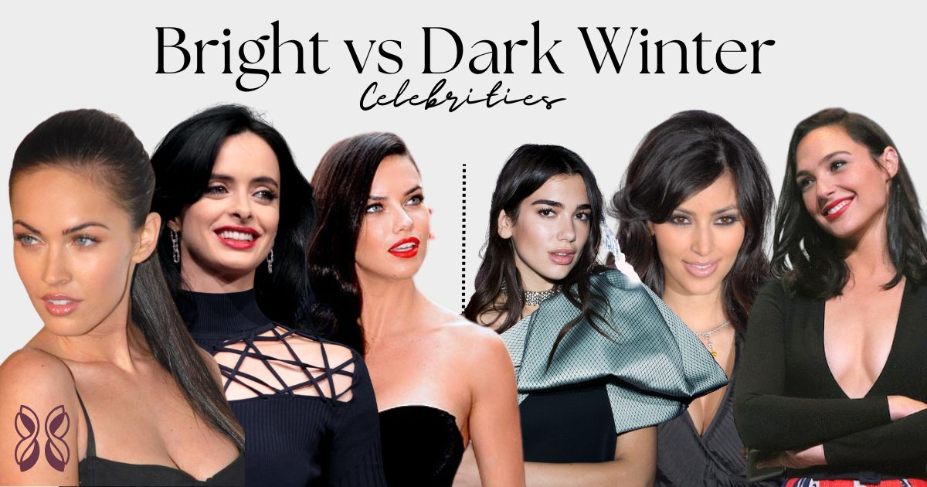
Bright Winter vs Dark Winter Celebrities
Bright Winter celebrities such as Adriana Lima, Kendall Jenner, and Megan Fox shine in icy turquoise, emerald, or hot pink. Their strong contrast, often with the combination of dark hair and light eyes, means vivid, sparkling shades bring out their clarity and brightness.
Dark Winter celebrities such as Kim Kardashian, Gal Gadot, and Selma Hayek shine in rich jewel tones like burgundy, pine green, and black. They possess deeper, more blended features, which makes them look striking in saturated, intense colors that mirror their natural depth.
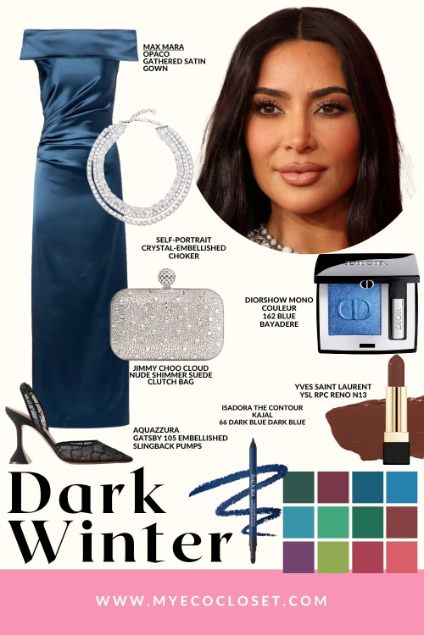
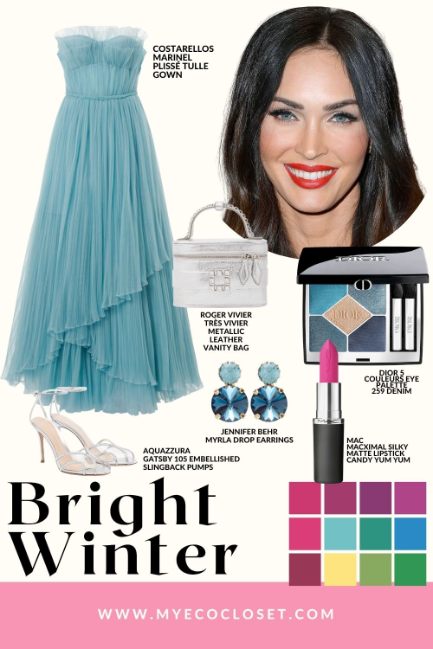
Deep Winter vs Bright Winter Outfits
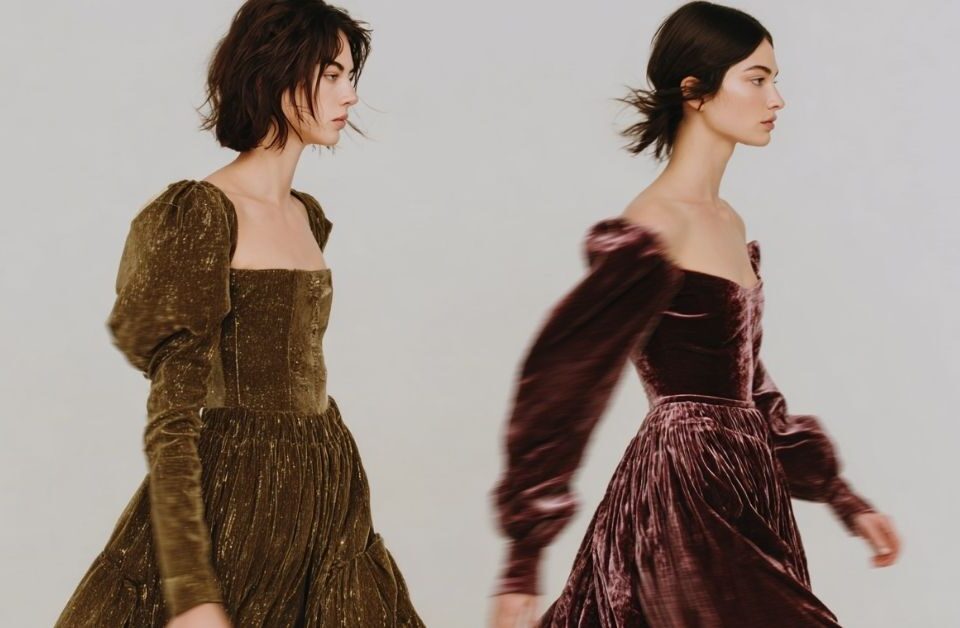
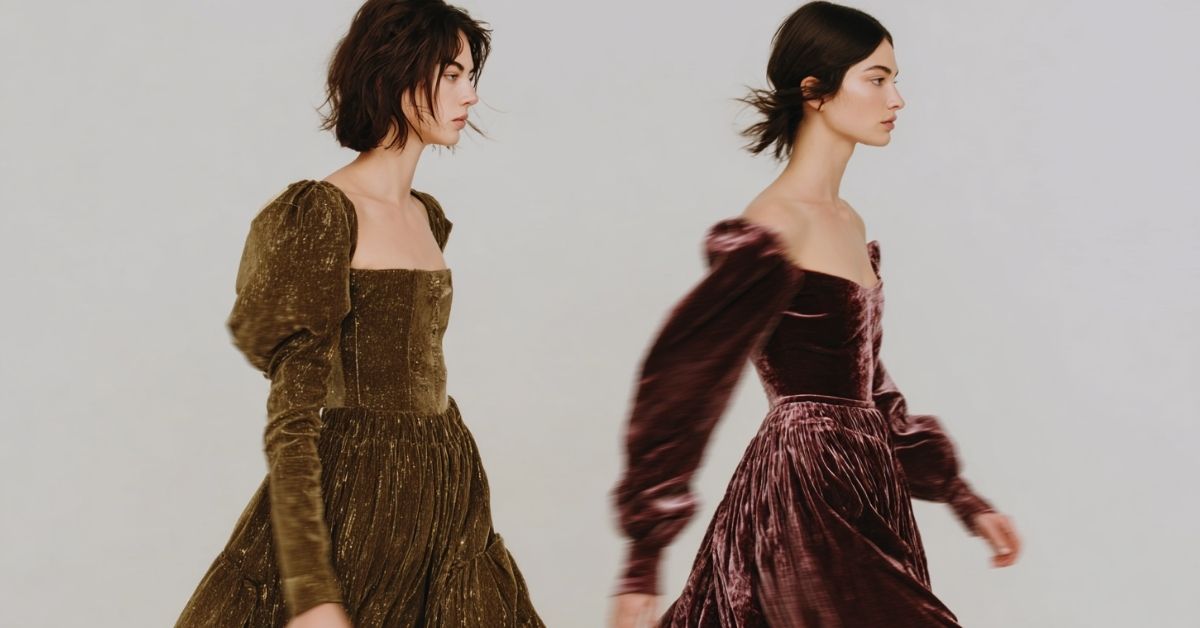
Deep Winter color palette clothes lean dark and dramatic: black, navy, emerald, burgundy, and charcoal. Fabrics like wool or velvet emphasize their richness, with high-contrast patterns adding strength.
Bright Winter outfits sparkle in clear, jewel tones: cobalt, turquoise, hot pink, and icy brights. Crisp fabrics with sheen, e.g., silk or satin, highlight this season’s clarity. Neutrals work best when sharp, such as optic white or true navy. Deep Winter projects depth and power, while Bright Winter projects clarity and brilliance.
Final Thoughts
To summarize, when comparing Bright Winter vs Dark Winter, differences emerge in clarity and depth. Bright Winter thrives in crisp, sparkling shades like fuchsia, icy turquoise, lemon yellow, and true white. The overall look is high-contrast, energetic, and jewel-like, reminding of winter light refracted through ice crystals.
In contrast, Dark Winter looks best in deeper, more dramatic tones. These include burgundy, teal, aubergine, ink navy, and charcoal.
The overall effect is rich, grounded, and powerful, like a winter night lit by jewel tones. The look remains cool and clear, but with more weight and intensity than Bright Winter.
Frequently Asked Questions
Look at your overall contrast. Bright Winters usually have sharp light-dark contrasts, such as dark hair with clear eyes, making vivid colors pop. Dark Winters tend to have deeper, blended features where rich, sultry shades harmonize best. Testing fabrics side-by-side is the quickest way to confirm.
Not easily. Dark Winter shades like pine green or burgundy can overwhelm Bright Winters by muting their sparkle. Bright Winters shine in sharp, icy colors like turquoise or emerald. Wearing too-dark tones may make their skin appear tired rather than vibrant, dulling their natural brilliance.
Bright Winters have extremely high color clarity. Their features thrive when matched with icy, jewel-like tones that mirror their natural sharpness. Colors like lemon yellow or hot pink balance their high contrast beautifully. Muted or heavy shades tend to drain their energy instead of enhancing it.
Yes, black is an anchor shade for Dark Winters. With their naturally deep coloring, black enhances their intensity without overpowering them. Pairing it with rich jewel tones like dark teal or burgundy adds depth and sophistication. For Bright Winters, black often looks too harsh without icy accents.
Bright Winters glow in cool silvers and icy metallics that echo their sparkle. Dark Winters, while also cool-toned, can handle deeper silvers, gunmetal, and even blackened metallics. Gold, particularly yellow or antique, usually clashes with both sub-seasons, as Winter undertones lean toward cool harmony.
If a Bright Winter wears Dark Winter tones, the effect can look heavy or dull. Conversely, Dark Winters in neon-bright shades may seem harsh or overexposed. The right palette brings balance, where skin clears, eyes sparkle, and outfits feel cohesive instead of distracting or flat.
They do. Both can wear jewel tones like emerald and sapphire, but the finish matters. Bright Winters need the clearest, most radiant versions, while Dark Winters excel with the richer, darker versions. Think icy emerald for Bright, and deep emerald for Dark — similar hue, different depth.